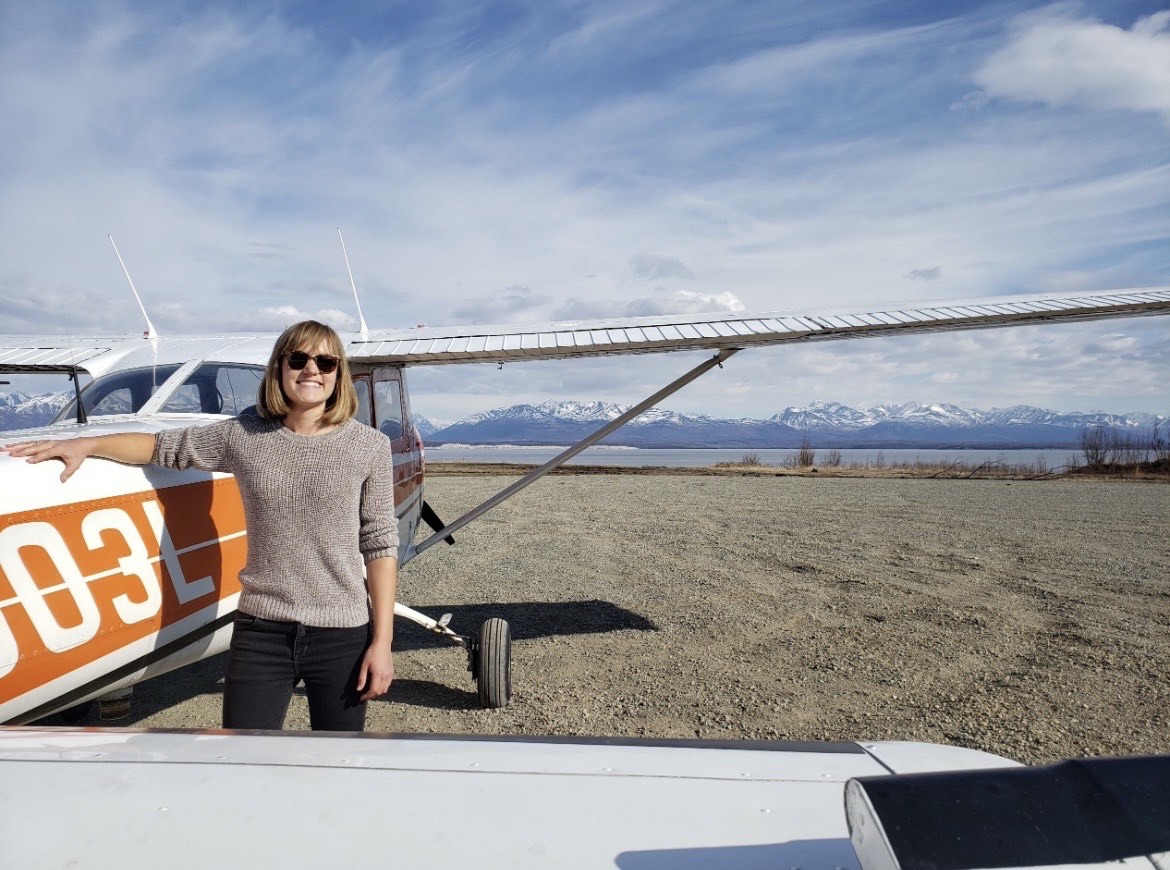
Abbee Campbell - SkyWest Pilot, UVU Alumni
The most challenging part has been finding balance—really leaning into the aspects
of life that matter most to me, like family, friends, and time in nature.
Abbee Campbell earned her Private Pilot license while still in high school, receiving training from her father, a Certified Flight instructor (CFI) and aviation enthusiast. Growing up in Atlanta, Georgia she experienced the freedom and exhilaration of aviation early on in her life. However, after her first solo flight, she explained “I was terrified and didn’t think I could ever pursue aviation as a career.”
While attending college to study business, she didn’t find it enjoyable, noticing that many of her courses were just “learn and dump” style. “Because I enjoy hands-on, applicable learning – and had always loved flying – I decided to pursue aviation. It felt like a practical path where I could apply what I learned and complete my training efficiently.”
Living in Provo, Utah at the time, she knew that Utah Valley University had a reputable aviation program and was conveniently located just minutes away. In Spring 2018, she began studying aviation at UVU, completing the program, including the required FAA pilot certificates and ratings, in addition to her CFI in May 2020. She described how that experience has helped with her flight career:
“At UVU, I trained under both Part 141 and Part 61 environments, which allowed me to experience the benefits of the structured approach 141 provides. That structure helped me immensely during my 121 airline training. UVU also taught me to be disciplined, studious, and detail-oriented – skills that were essential when I started at SkyWest.”
Prior to flying for SkyWest, she had to build up sufficient flight hours to qualify.
Students at UVU finish the degree with about 300 flight hours, however 1000-1500 hours
are required by the FAA to earn the Airline Transport Pilot license (ATP) and qualify
for passenger flying at an airline. Most civilian-trained pilots gain those hours
as flight instructors, which was Abbee’s initial plan until another opportunity surfaced.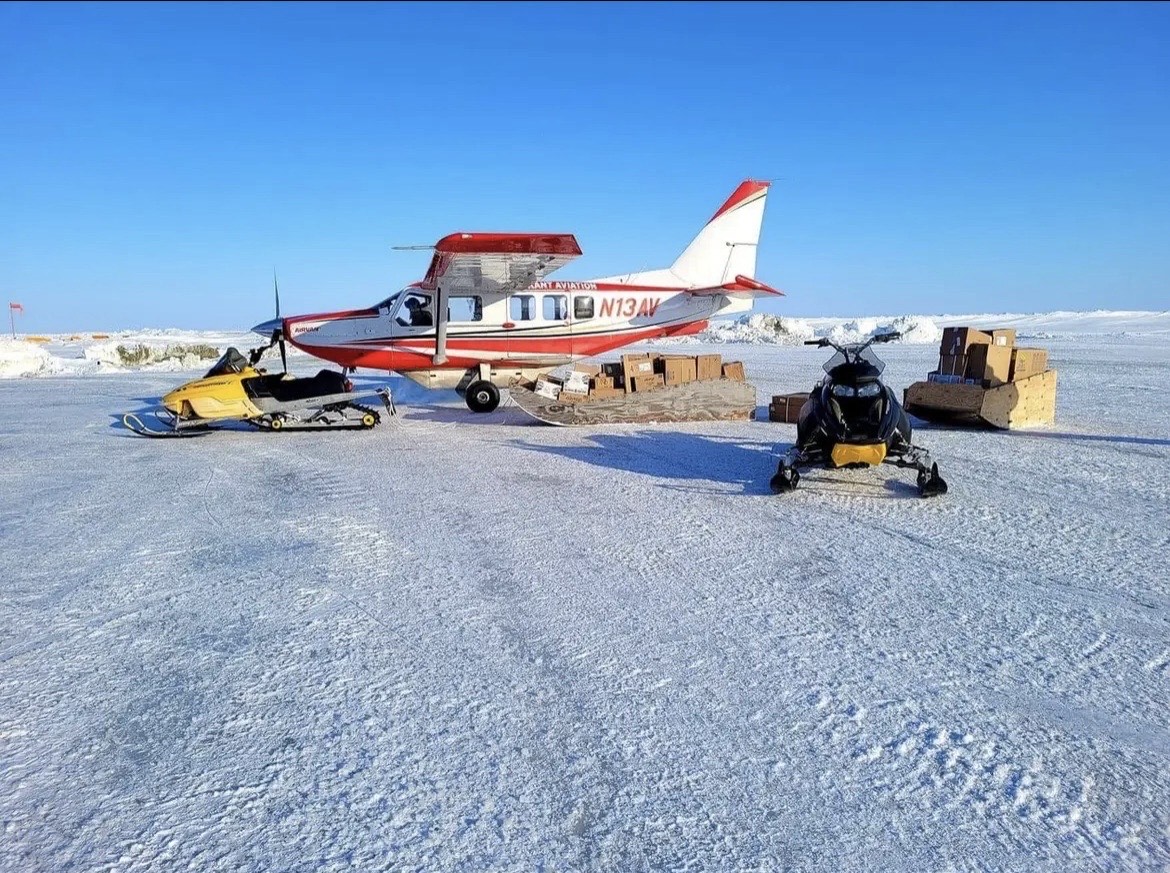
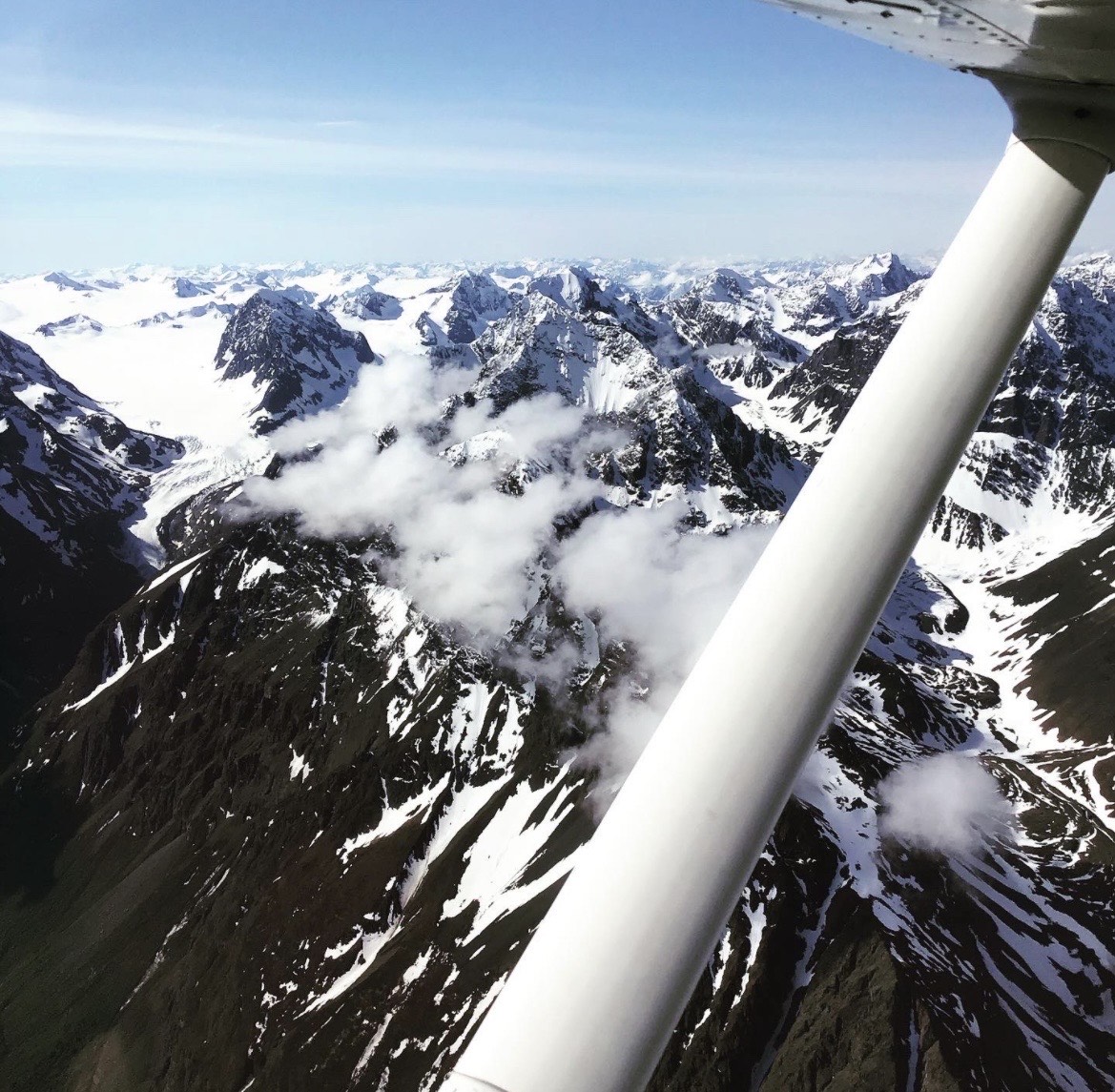
She began looking for flight instructor jobs during the 2020 pandemic and was eventually hired by a flight school in Palmer, Alaska. After instructing for a while, afellow flight instructor mentioned flying in the Alaskan bush. Intrigued by the idea, she talked to the chief pilot at Grant Aviation and ended up getting hired. “Flying in Alaska was absolutely amazing and challenging. It was beautiful and the limits of my abilities were pushed. I learned so many things about surveying the land for conditions when landing off airport and what was dangerous versus what was just challenging.”
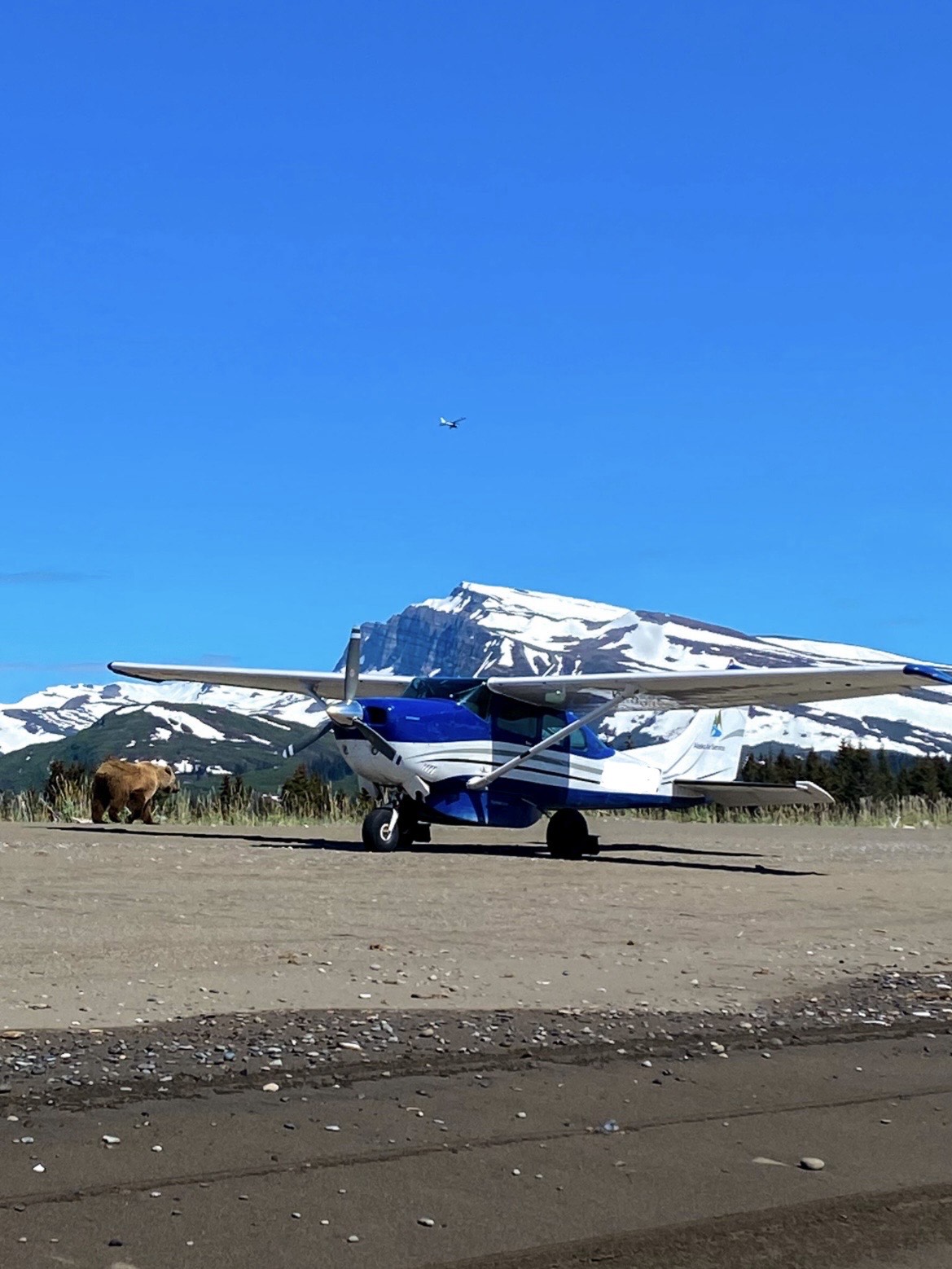
She flew bear tours in the local national park, landing on beaches, flying in challenging weather conditions and terrain, even having a close encounter with some bears during a tour with a family. Bush flying to build flight time is certainly not the typical pathway for pilots with airline goals, but for those interested, Abbee has some solid advice:
“If you really want to fly in Alaska you need to start getting Alaska time by starting off with flight instruction there. Alaska flying is unlike any other and for good reason. It’s one of the most beautiful places to fly but the weather and conditions can change in a moment’s notice. You need to be both aware and willing to get outside your comfort zone. It was by far the best experiences I’ve had flying in my whole career.”
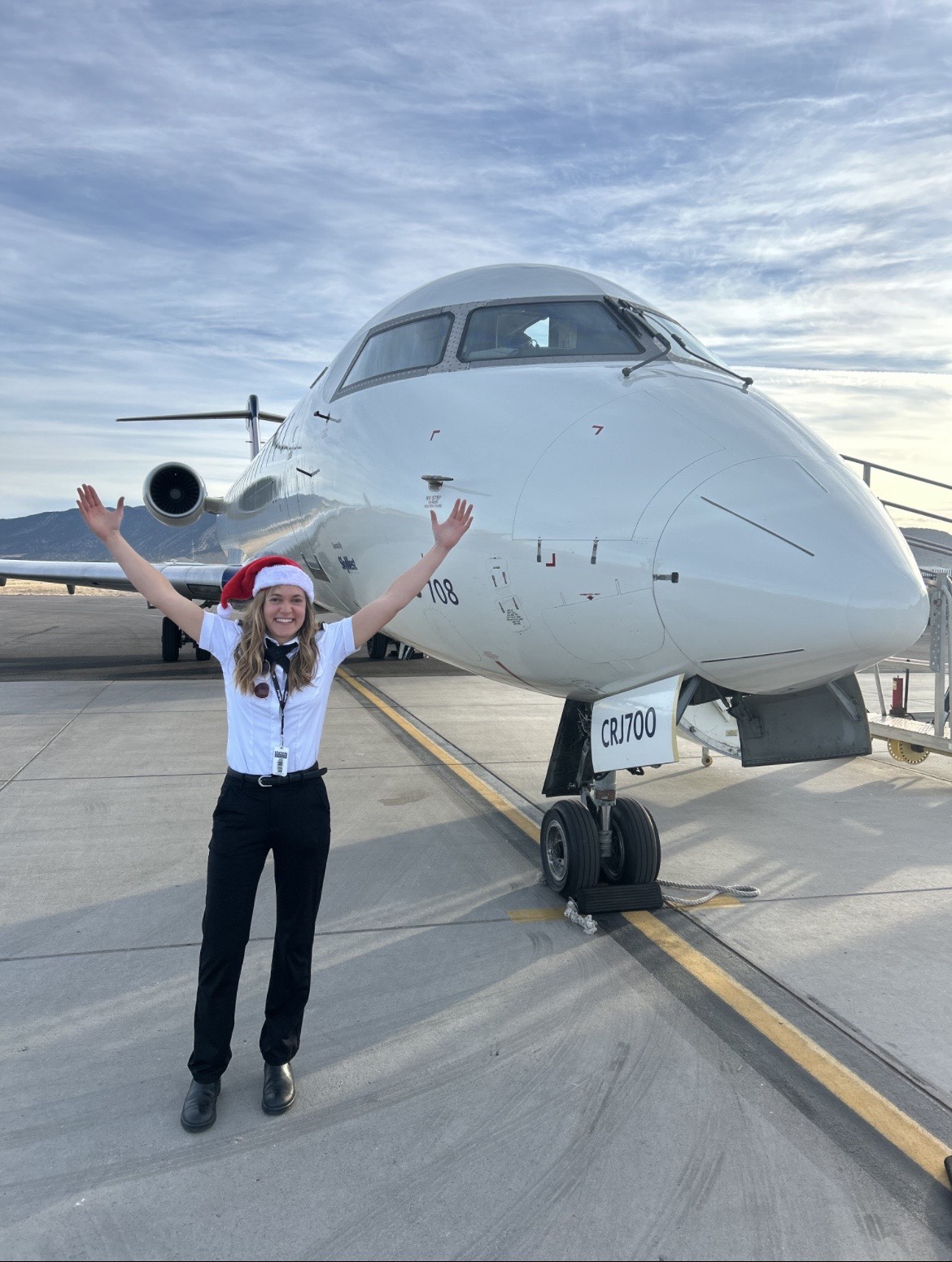 In just a few months, Abbee had the necessary flight hours to be able to apply for
an airline job. After serving an 18 month mission for the Church of Jesus Christ of
Latter Day Saints in France, she applied and was hired by SkyWest Airlines.
In just a few months, Abbee had the necessary flight hours to be able to apply for
an airline job. After serving an 18 month mission for the Church of Jesus Christ of
Latter Day Saints in France, she applied and was hired by SkyWest Airlines.
There are many regional airlines and numerous factors to be considered when deciding which one to choose. For Abbee, SkyWest’s variety of bases, including one in Salt Lake City, Utah, were the biggest factor in her decision. “When choosing a regional, think about which one aligns best with your long-term goals or where you wouldn’t mind being based at the most junior level. The industry always has ebbs and flows, so choose somewhere you’d be happy spending some time if things slow down.”
Currently, she flies approximately 14 days per month and is now in the top quarter
of First Officers at her base 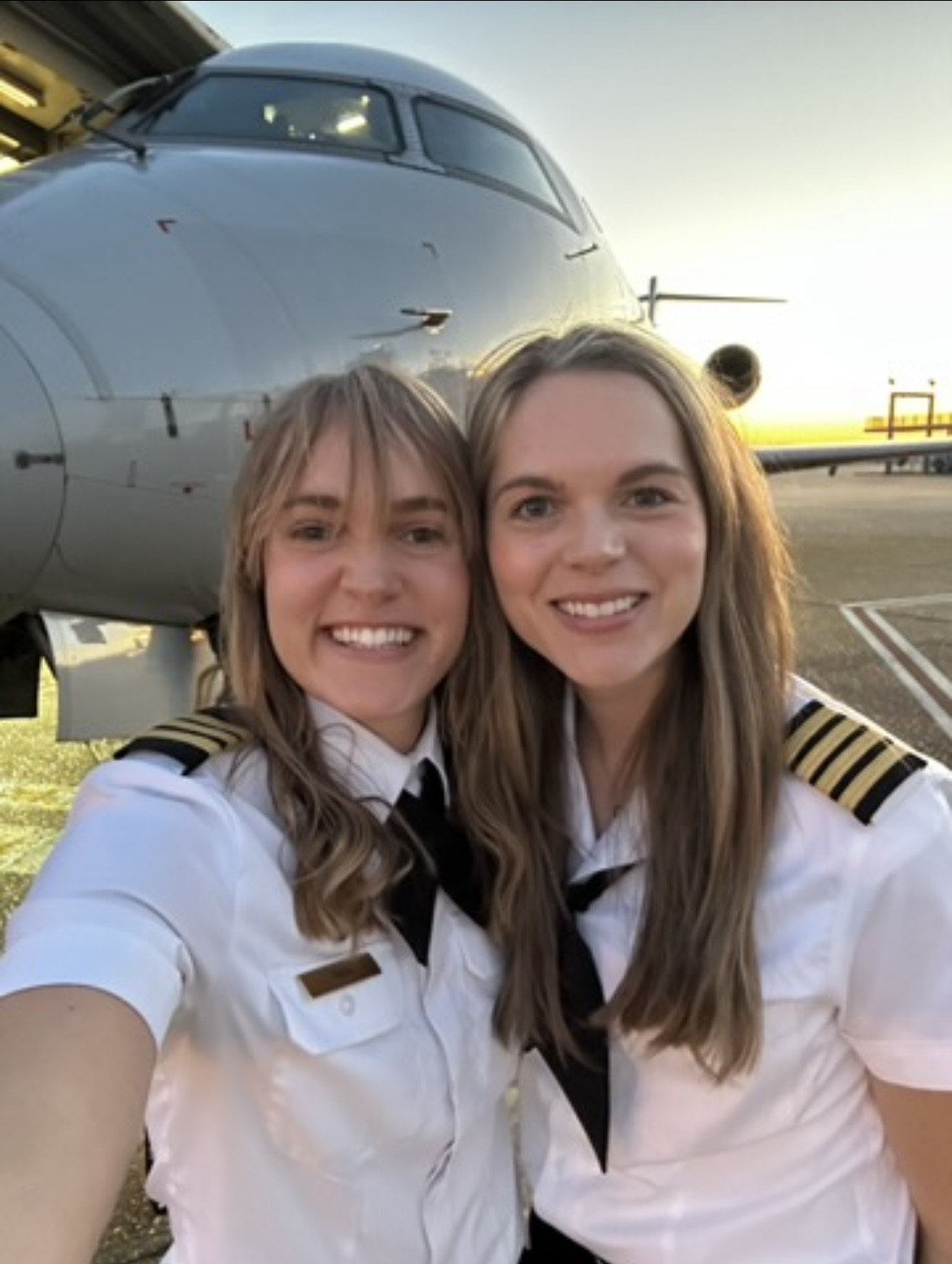 as far as seniority. This allows her much more control over her schedule, including
her preferred days off. SkyWest culture is “very positive”, she explains, meeting
wonderful people and “extremely knowledgeable and supportive” instructors, who helped
her through the rigorous training process.
as far as seniority. This allows her much more control over her schedule, including
her preferred days off. SkyWest culture is “very positive”, she explains, meeting
wonderful people and “extremely knowledgeable and supportive” instructors, who helped
her through the rigorous training process.
The airline pilot career has a reputation of being difficult to balance with family and life in general. When asked about this, she offered some great insight:
“It can definitely be tricky at times, especially when I miss important events. However, the flight benefits are such a huge blessing—they’ve allowed me to have so many amazing experiences with my family that I otherwise couldn’t afford.
The most challenging part has been finding balance—really leaning into the aspects of life that matter most to me, like family, friends, and time in nature.Sometimes it feels like I’m just running from one trip to another, but as my seniority has grown, I’ve gained much more control over my schedule and my life.”
In addition, she has had the invaluable experience of flying alongside her sister, which she says “made it all worth it.”
It’s true that the value of some career benefits, like many things in life, are impossible to quantify.