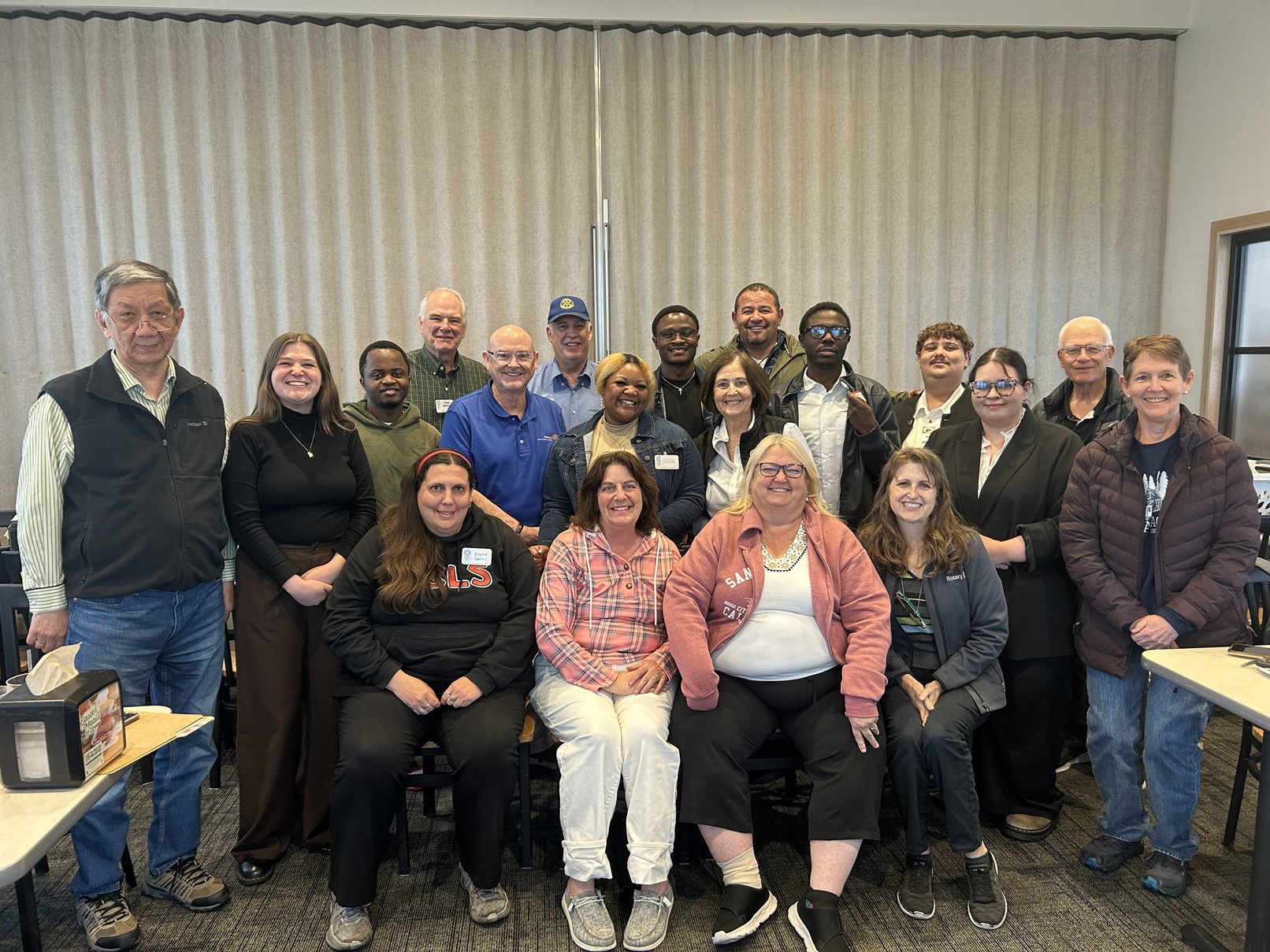
On April 1, 2026, students from the United Nations Sustainable Development Goals
(SDGs) course at Utah Valley University (UVU) presented their findings and experiences
to the Orem-Lindon Rotary Club following their participation in the 70th session of
the Commission on the Status of Women (CSW) at the United Nations.
The session highlighted the continued collaboration between the Utah International
Mountain Forum and the Rotary Club in advancing research, advocacy, and community
engagement on issues affecting women and girls in vulnerable and mountainous regions
worldwide.
During the presentation, students reported on their research, outreach activities,
and advocacy work conducted in preparation for and during CSW 70. Their case studies
focused on countries with significant mountainous geography, including Bolivia, Chile,
Kyrgyzstan, Democratic Republic of the Congo, and Greece, to name a few.
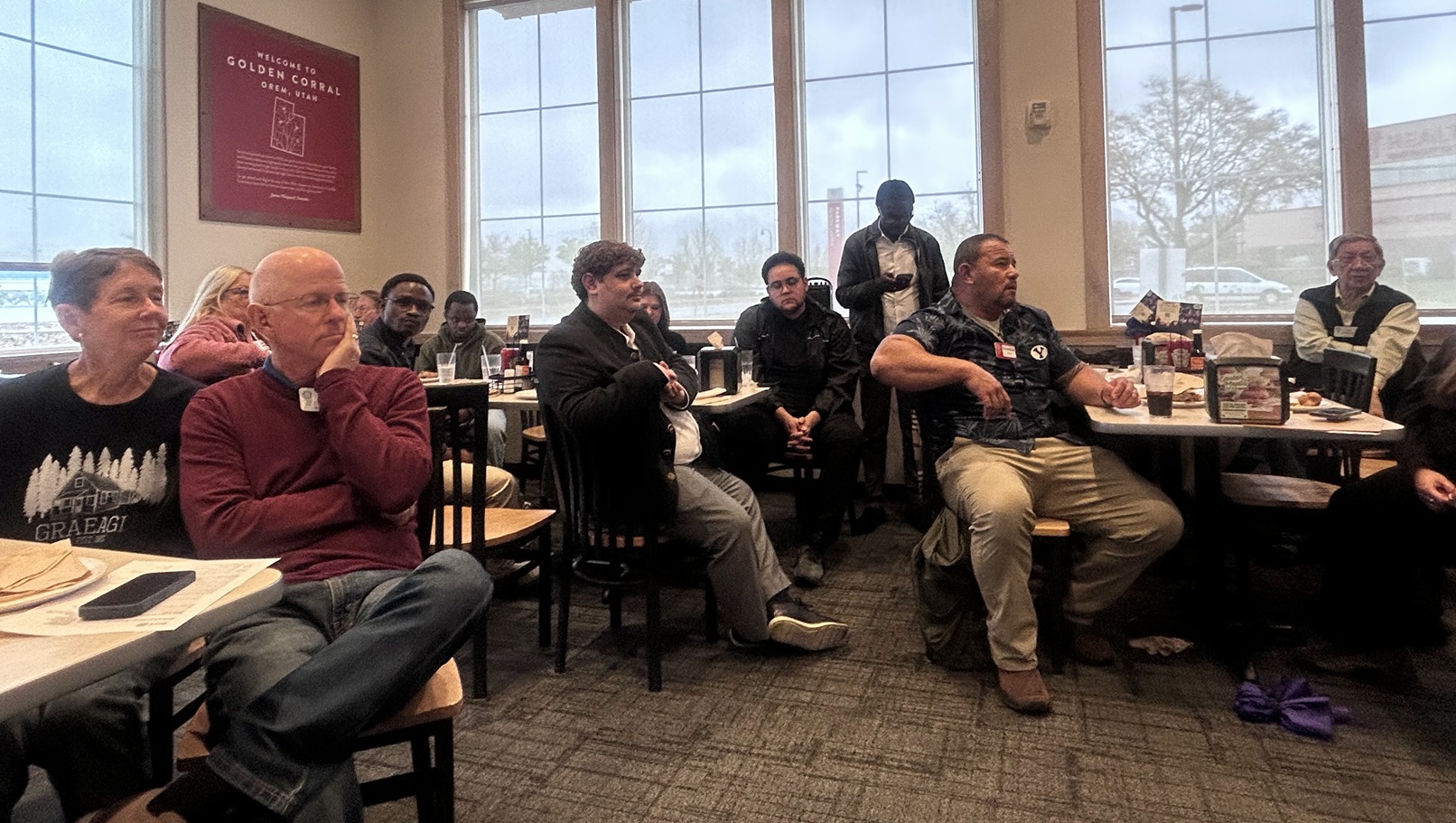
Rotarians and Rotaractors supporting the students' presentations
Across these regions, students identified recurring challenges affecting women and
girls, including limited access to education and healthcare, underrepresentation in
political decision-making, and structural inequalities exacerbated by geographic isolation.
Even research was focused on environmental and public health issues in Utah, including
air pollution and its connection to regional ecological changes such as the declining
water levels of the Great Salt Lake.
Students emphasized that addressing these challenges requires coordinated policy responses,
particularly through investments in public infrastructure, sustainable transportation
systems, and improved responsiveness to community needs. They also noted that while
legislative solutions exist, policy implementation often depends on political dynamics
and institutional support.
A central component of the meeting was the discussion of financial sustainability
within Rotary initiatives. The Orem-Lindon Rotary Club has established a named endowment
fund with a minimum threshold of $25,000. This endowment was started by Lynn Hillstead,
former Lindon-Orem Rotary club president. He started the endowment by using $2,000
of his own funds to help support the future of the Rotaractors and Rotarians in the
Orem-Lindon Club. This fund functions as a permanent investment vehicle, generating
annual returns estimated between 8–10 percent, which are reinvested into club-level
humanitarian and educational projects.
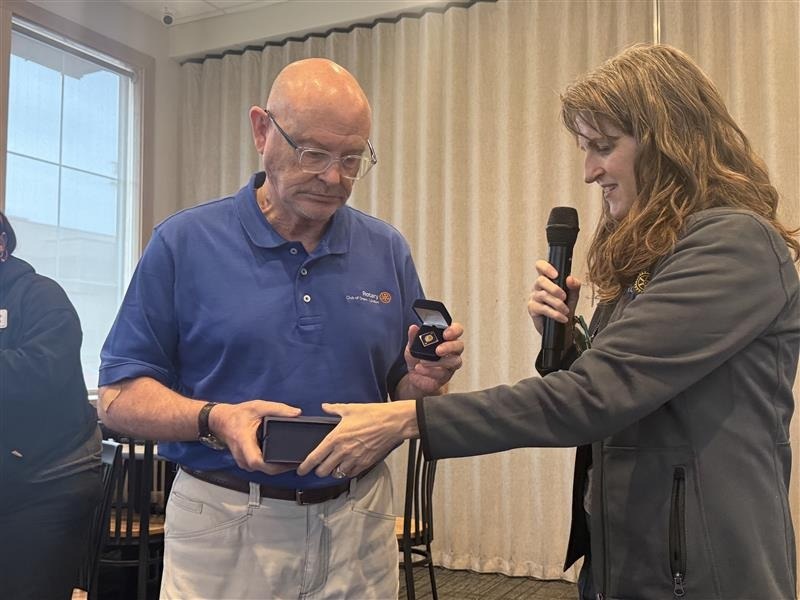
Lynn Hill Stead receiving endowment rewards by Club President Cathy Ambrose
Unlike the Rotary Annual Fund, which operates on a three-year allocation cycle, the
endowment fund provides a continuous and independent revenue stream directly benefiting
the club’s long-term initiatives. Leaders emphasized the importance of incorporating
this financial structure into future planning and project development.
The meeting also recognized the role of individuals who Lynn Hill recruited to contribute
to the endowment and legacy giving in strengthening the Foundation’s capacity. Members
were acknowledged across multiple giving levels:
- Major Donors (Level 1 and 2), including Dean Robinson and Scott Zimmerman
- Bequest Society Members, including Debbie Lauret, with additional members such as Jim Clark and Cheryl currently
completing documentation to formalize their participation
- Paul Harris Society Members, representing individuals committed to sustained annual contributions to the Rotary
Foundation
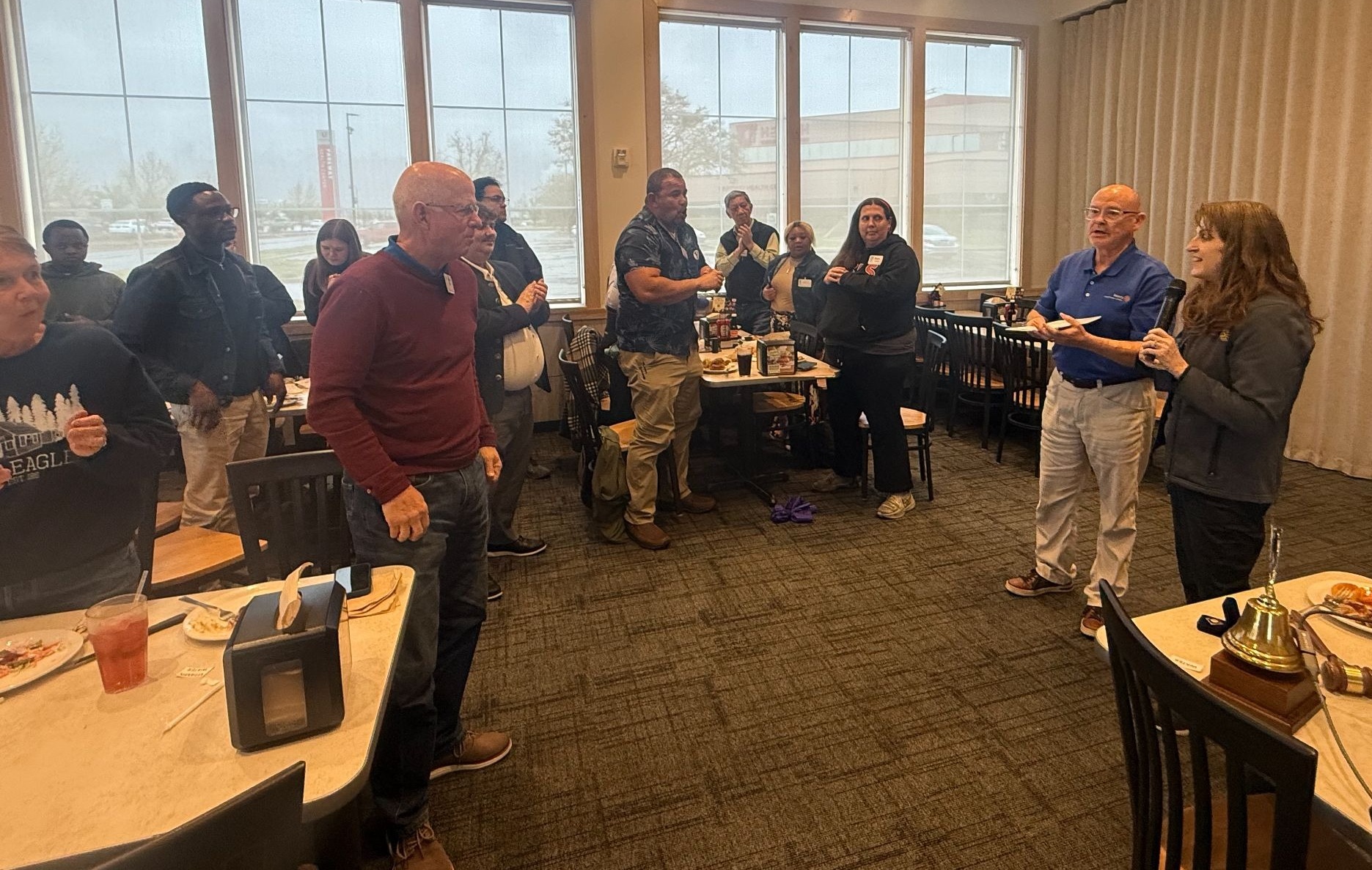
Rotarians and Rotaractors Celebrating the Endowment
These contributions collectively strengthen both immediate programming capacity and
long-term financial stability, ensuring continuity of service initiatives.
The discussion further highlighted Rotary Youth Leadership Awards (RYLA), a youth
development program designed to cultivate leadership skills among high school and
early college students. Due to current low enrollment, eligibility has been expanded
to include ninth graders, seniors, and graduating students. Members were encouraged
to actively promote participation and support recruitment efforts, noting that other
clubs are also willing to assist with funding if needed.
The event concluded with reflections on the broader impact of the UVU–Rotary partnership.
Students emphasized the value of experiential learning through international engagement,
including participation in UN-related forums and academic research presentations.
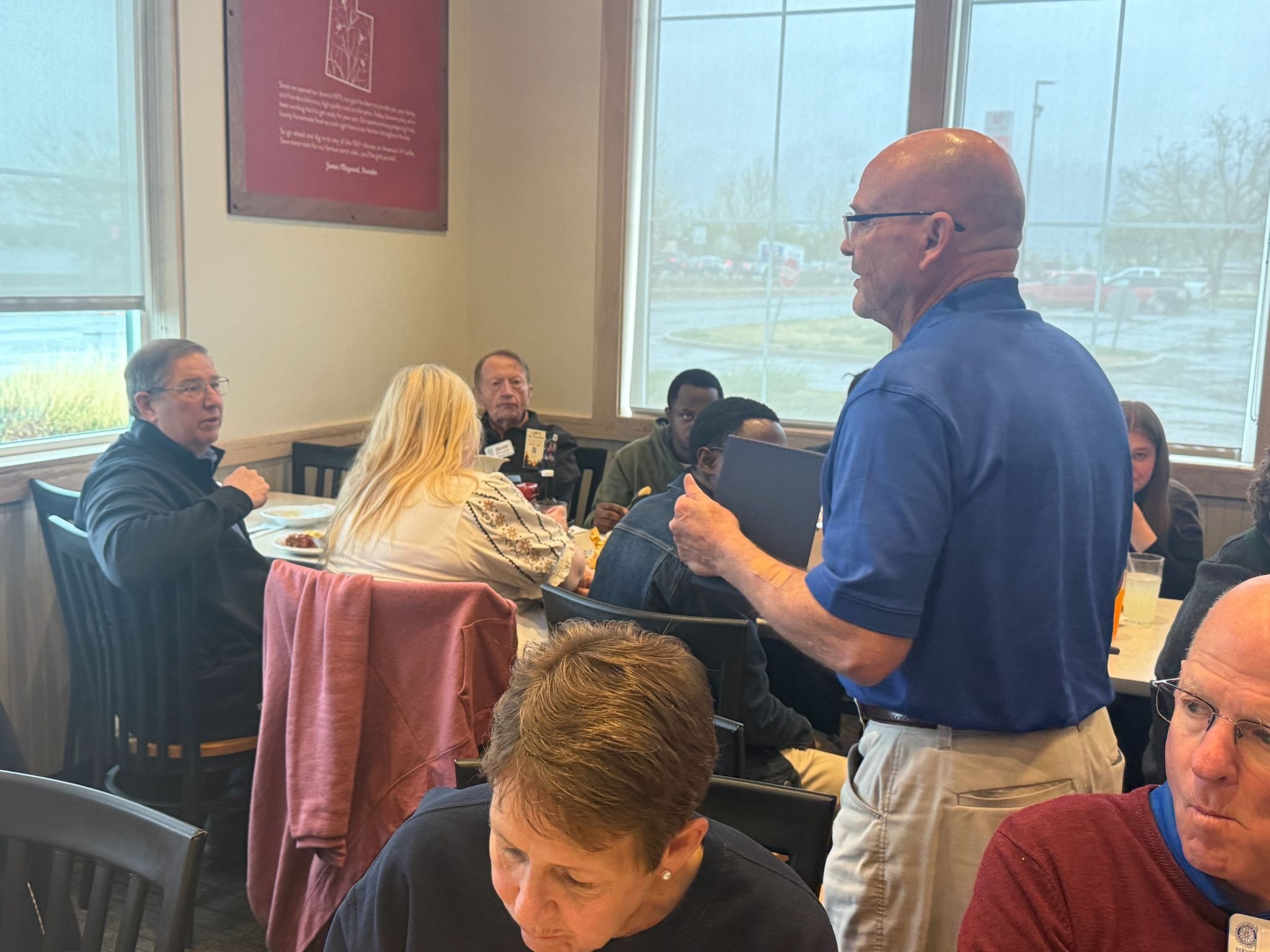
Lynn Hillstead encouraging Rotarians to donate to the endowment
Overall, the collaboration between the Utah International Mountain Forum and the Orem-Lindon
Rotary Club continues to serve as a model for how academic institutions and civil
society organizations can jointly advance global development goals through education,
service, and sustainable financial engagement.
Below you can find a summary of each student's presentation from the Rotary club.
Natalia Figueroa: Natalia highlighted how Indigenous Mapuche women in Chile are affected by anti-terrorism
and “usurpation” laws used in land disputes, especially the Anti-Terrorism Law (Law
No. 18.314) and related property laws. These laws can criminalize land occupation
or defense even when the land is claimed as ancestral Mapuche territory, and critics
argue they are often applied in ways that favor forestry and other companies. This
has led to increased police presence, arrests, and legal pressure in Indigenous communities,
where women are often the primary defenders of land and water. Cases like Nicolasa
Quintreman are cited as examples of how environmental conflict and weak protections
can leave Indigenous women vulnerable to violence and lack of justice. With the new
president of Chile, Kast, experts warn these policies could further threaten Mapuche
women’s rights and safety despite UN intervention.
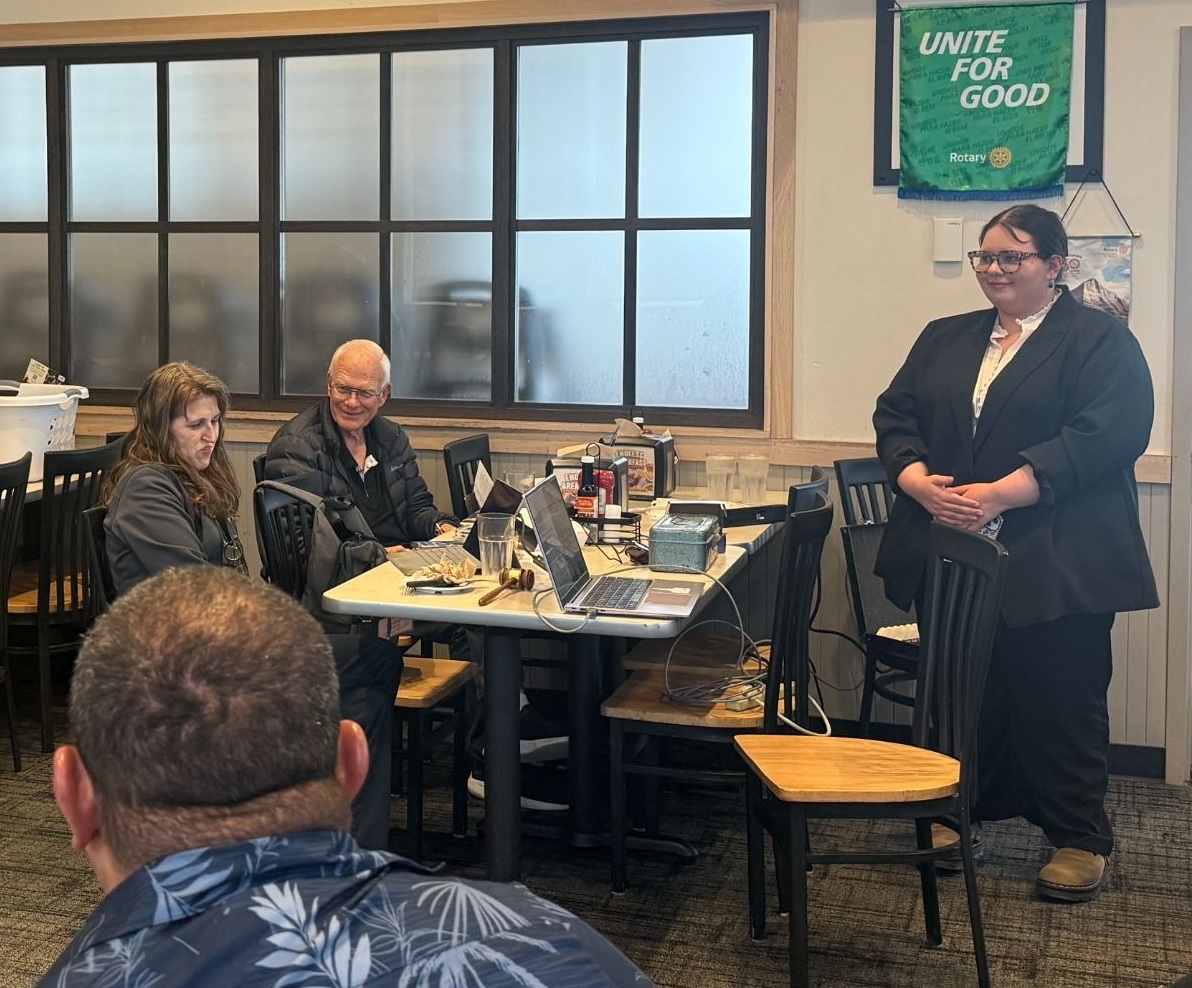
Natalia Figueroa Presenting about CSW70 Results
Louyoko Nianza: Louyoko Nianza, a Political Science and International Relations student at Utah Valley
University and President of Smart-Africaine NGO, addressed the Commission on the Status
of Women, urging the inclusion of mountain women and girls in its final document.
She emphasized the critical role mountain regions play in global ecosystems and food
security, while highlighting the inequalities and violence faced by women in conflict-affected
areas such as the Democratic Republic of the Congo and Sudan. Drawing from her experiences
with the Utah International Mountain Forum and the Gary R. Herbert Institute of Public
Policy, she demonstrated how education and student-engaged learning can empower communities
and support vulnerable populations. She concluded by calling on the United Nations
to ensure mountain women’s voices are central to achieving sustainable development
and justice.
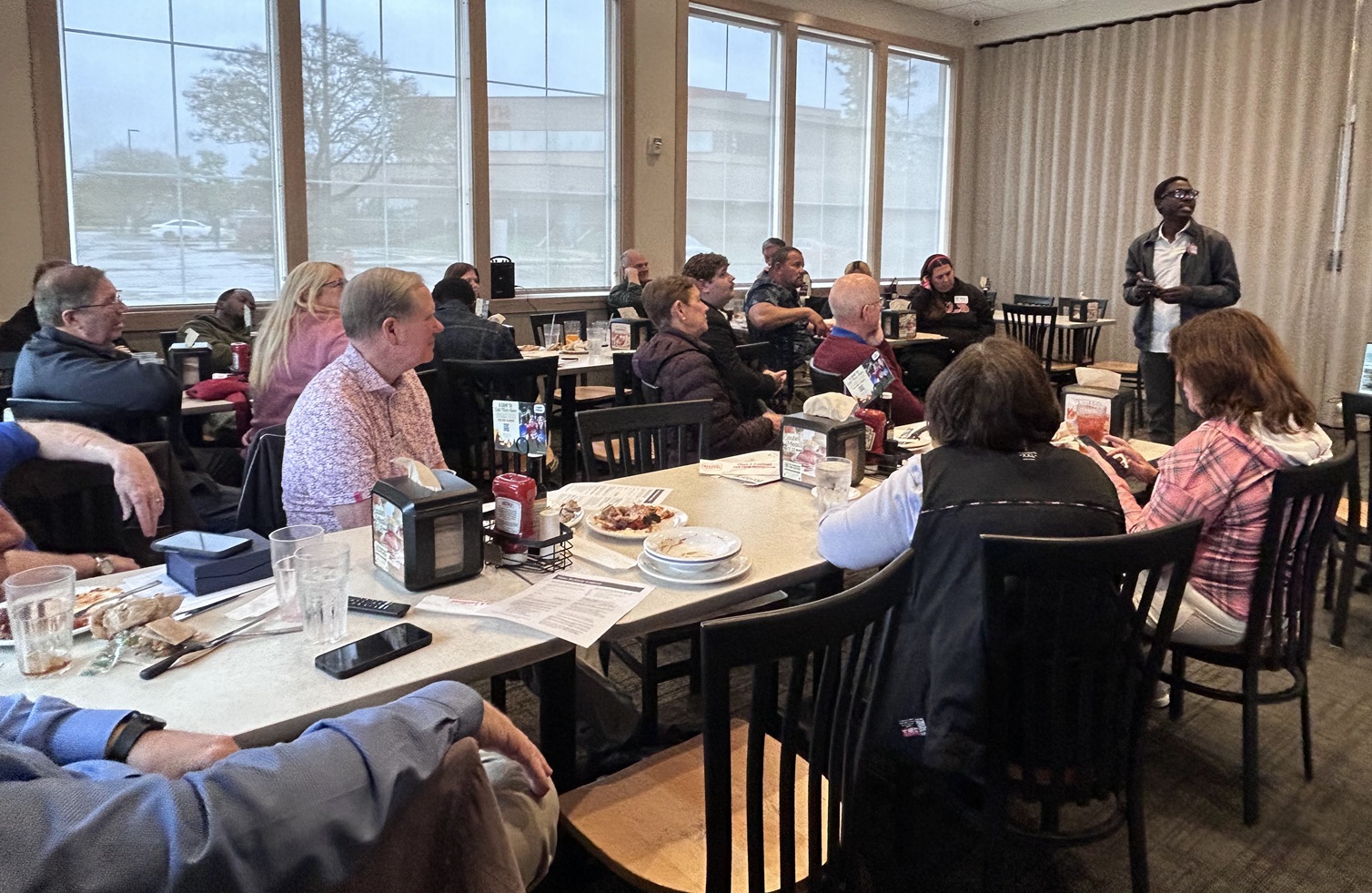
Louyoko Nianza Presenting to Rotarians
Aemish Brock: Aemish highlighted how mountain communities are too often treated as peripheral in
policy decision-making, even though they are central to mountain living. In many mountain
regions, women carry disproportionate burdens related to household energy, caregiving,
food security, and climate adaptation, while still facing barriers to decision-making,
education, economic opportunity, and equal justice. When UN policy is made, the needs
of mountain women specifically must be accounted for. As well as Austria's free trade
as an example to help mountain women.
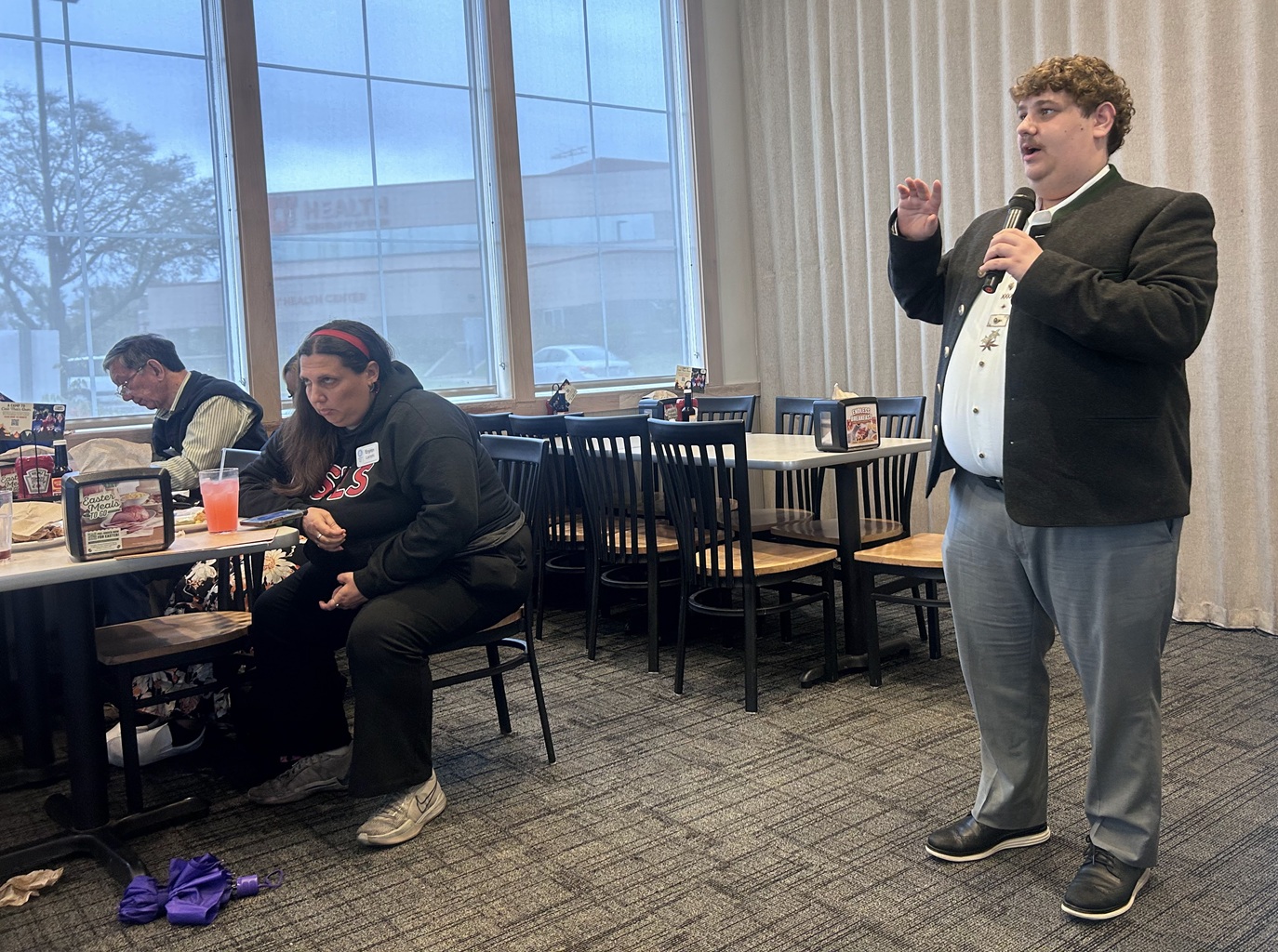
Aemish Brock Presenting to the Rotarians
Janessa-Michelle Purcell: Janessa highlighted that her research was a continuation of a project with her research
colleague McKay Jones and began in the Fall of 2024. Our research project focused
on the Air Pollution problem here in Utah particularly in West Salt Lake. Through
this process we have identified that many air pollutants are consolidated on the West
side of the I15, which also hosts the largest population of minorities. With about
52% of their 140,000 residents identifying as part of a minority group. She urged
the United Nations to recognize and acknowledge the injustice many women and girls
are facing, not just on the west side of Utah but across the world as climate change
continues to impact us all.
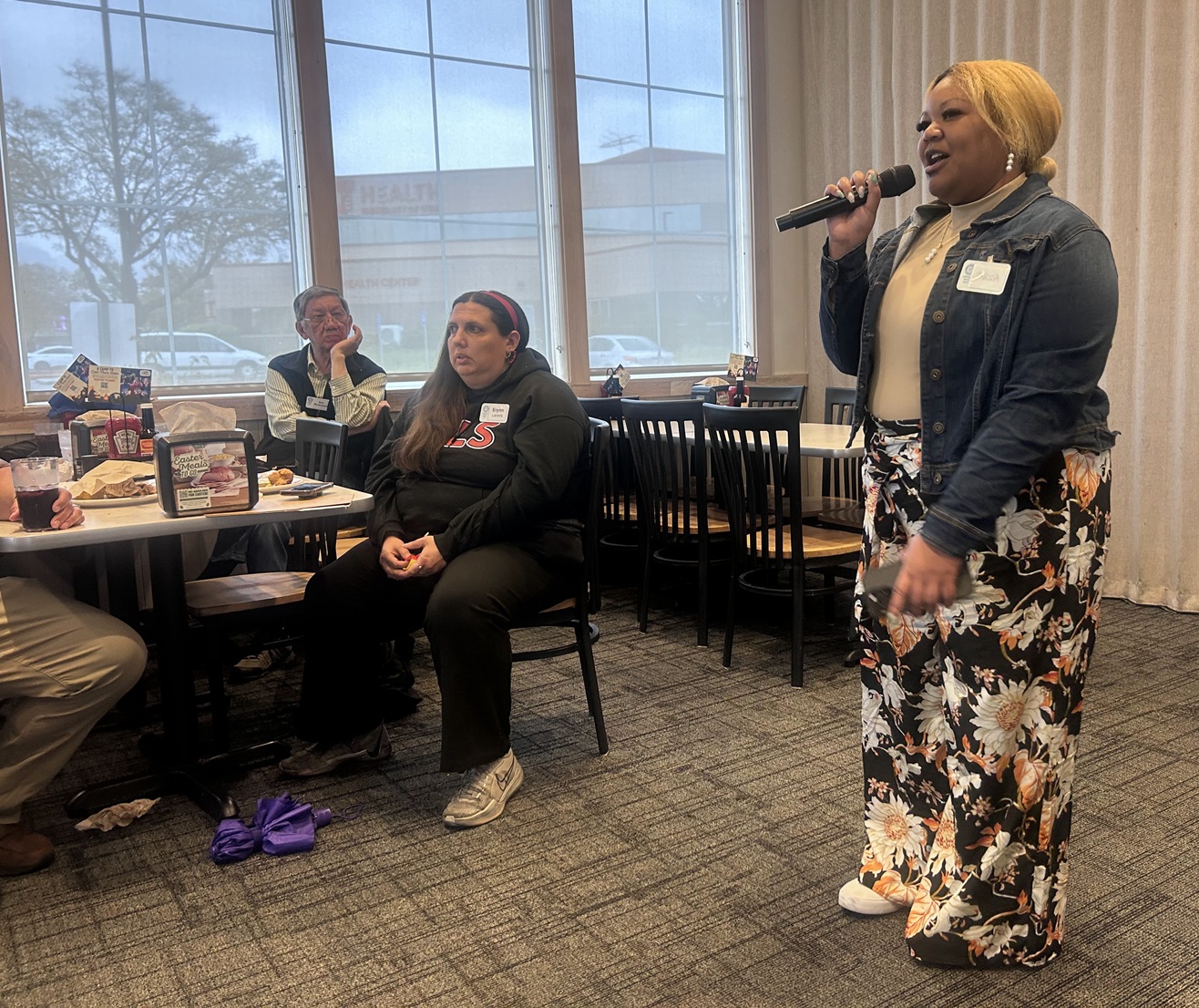
Janessa-Michelle Purcell Presenting to Rotarians
João Petter: João highlighted how in Bolivia, mountain geography widens the gap between rights
on paper and justice in practice. Bolivia has formal legal protections for women,
but Indigenous women in highland areas face distance to services, limited legal support,
language barriers, and institutional delays that make justice difficult to access.
The lesson is clear: discrimination is not only a problem in laws; it can also appear
in everyday practices that prevent women from receiving equal protection.
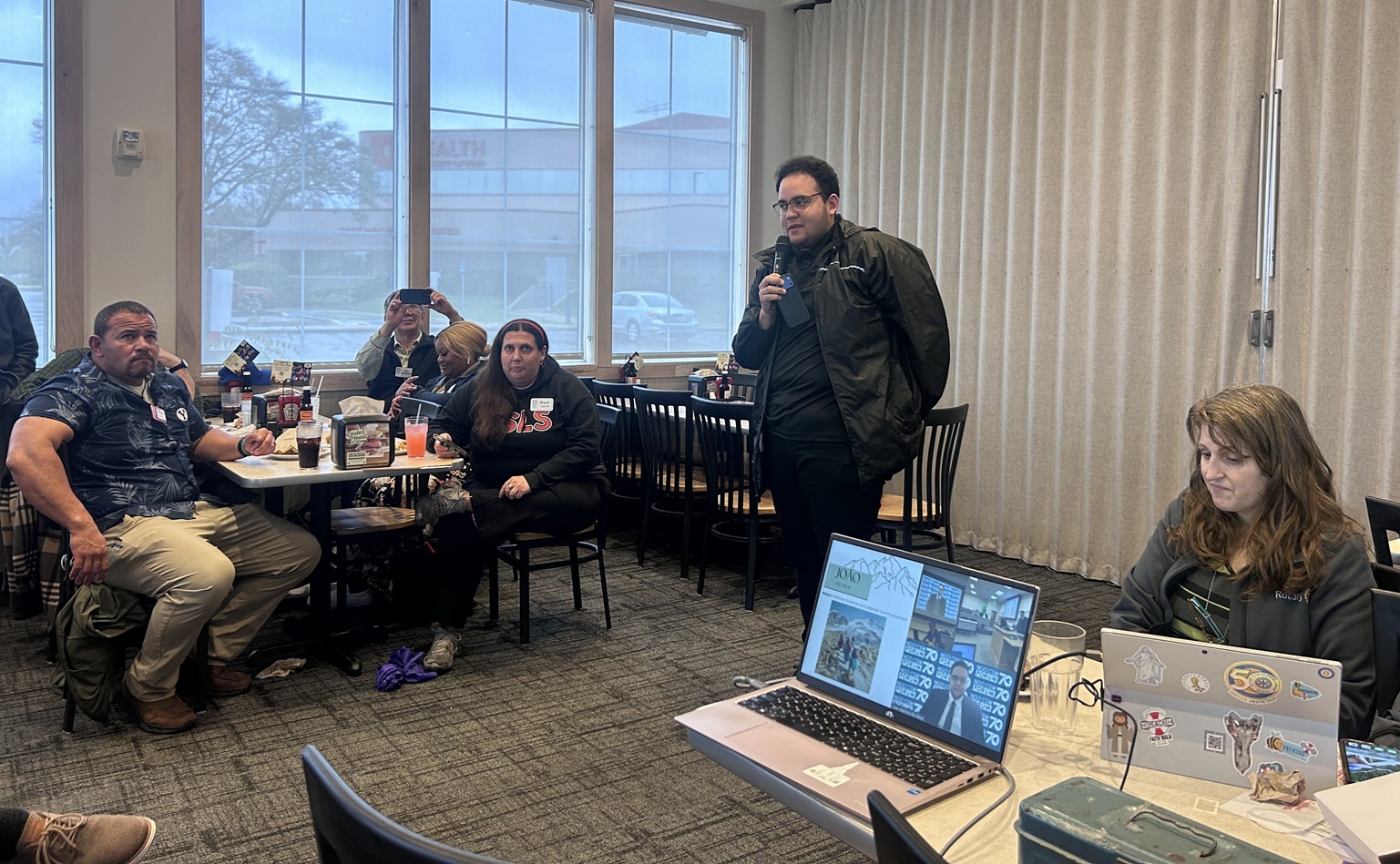
Joao Petter Presenting about CSW70 Results
Antoine Mwamba: Antoine advocated for justice and legal accessibility for mountain women globally,
with a particular focus on the Democratic Republic of the Congo, highlighting how
conflict, geographic isolation, and weak institutions prevent them from receiving
protection and accountability. His focus was to ensure these women are explicitly
recognized in international policy and to promote solutions such as mobile justice
systems so that access to justice is not determined by location. In eastern Congo,
because of mountainous terrain and ongoing conflict women often struggle to reach
police stations, courts or medical centers. Sexual violence has been used as a weapon,
and weak legal systems make justice difficult to obtain. In 2025 the Muzenze prison
in the DRC 150 women were reportedly raped and killed. This shows extreme risks mountain
women face.
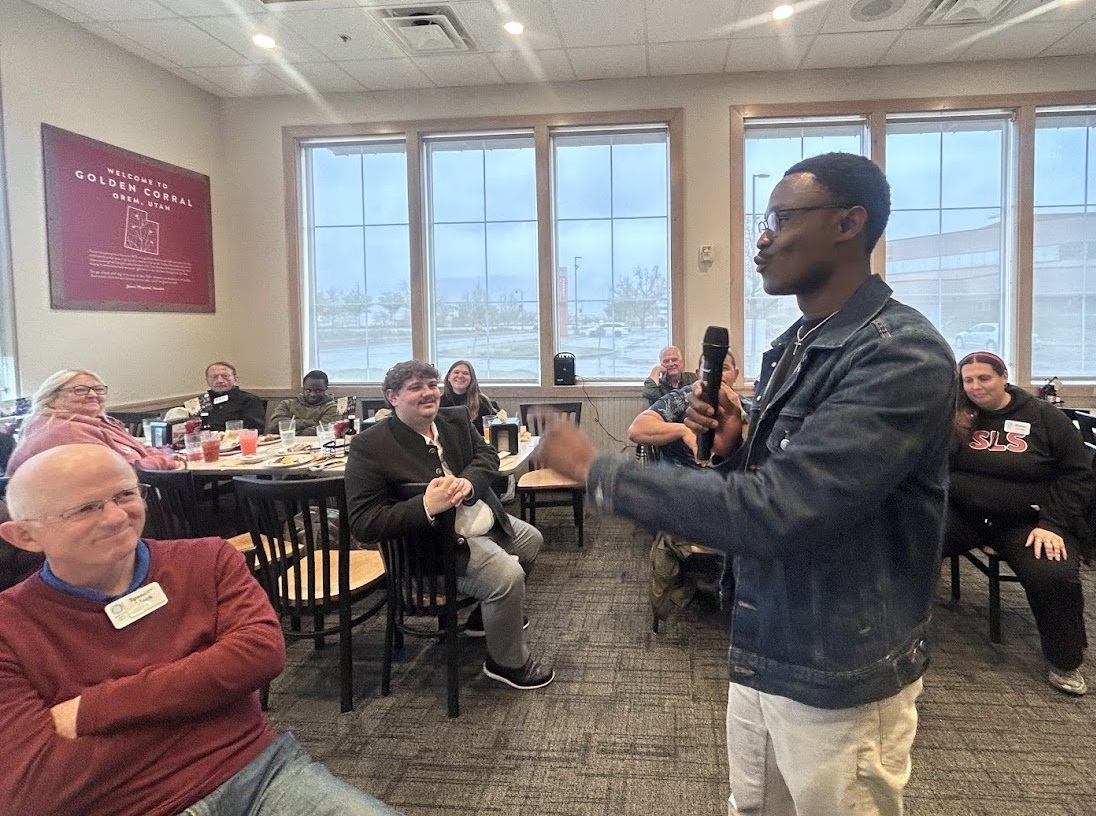
Antoine Mwamba Presenting about CSW70 Results
Roland Kabongo: Roland presented on The Virunga Mountains, the highlands of Kivu are places where
local communities including women and girls have learned to endure hardship, protect
their land, and rebuild again and again. Growing up around those mountain regions
has taught me and the women in these regions what it means to stand tall even when
life is difficult.
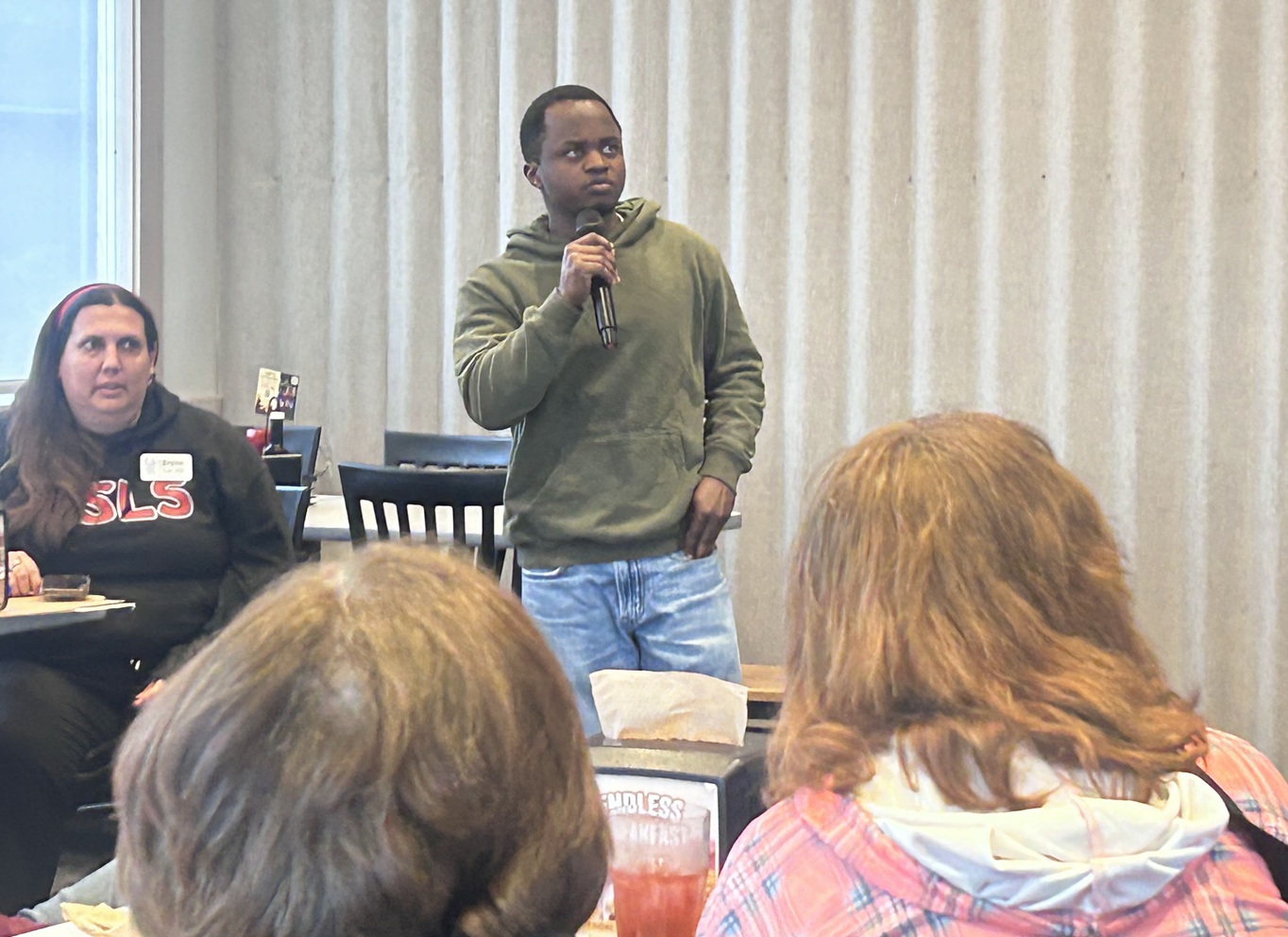
Roland Kabongo Presenting about CSW70 Results
Erynn Lammi: Erynn highlighted that women and girls in mountainous regions, particularly in Greece
face serious injustices due to limited access to education, employment, and policy
participation, and therefore must be explicitly included in international gender-equality
frameworks. I have highlighted how Utah Valley University’s Student Engaged Learning
model, combined with community partnerships, can empower these women through civic
and legal literacy, leadership development, and expanded opportunities for meaningful
participation in their communities.
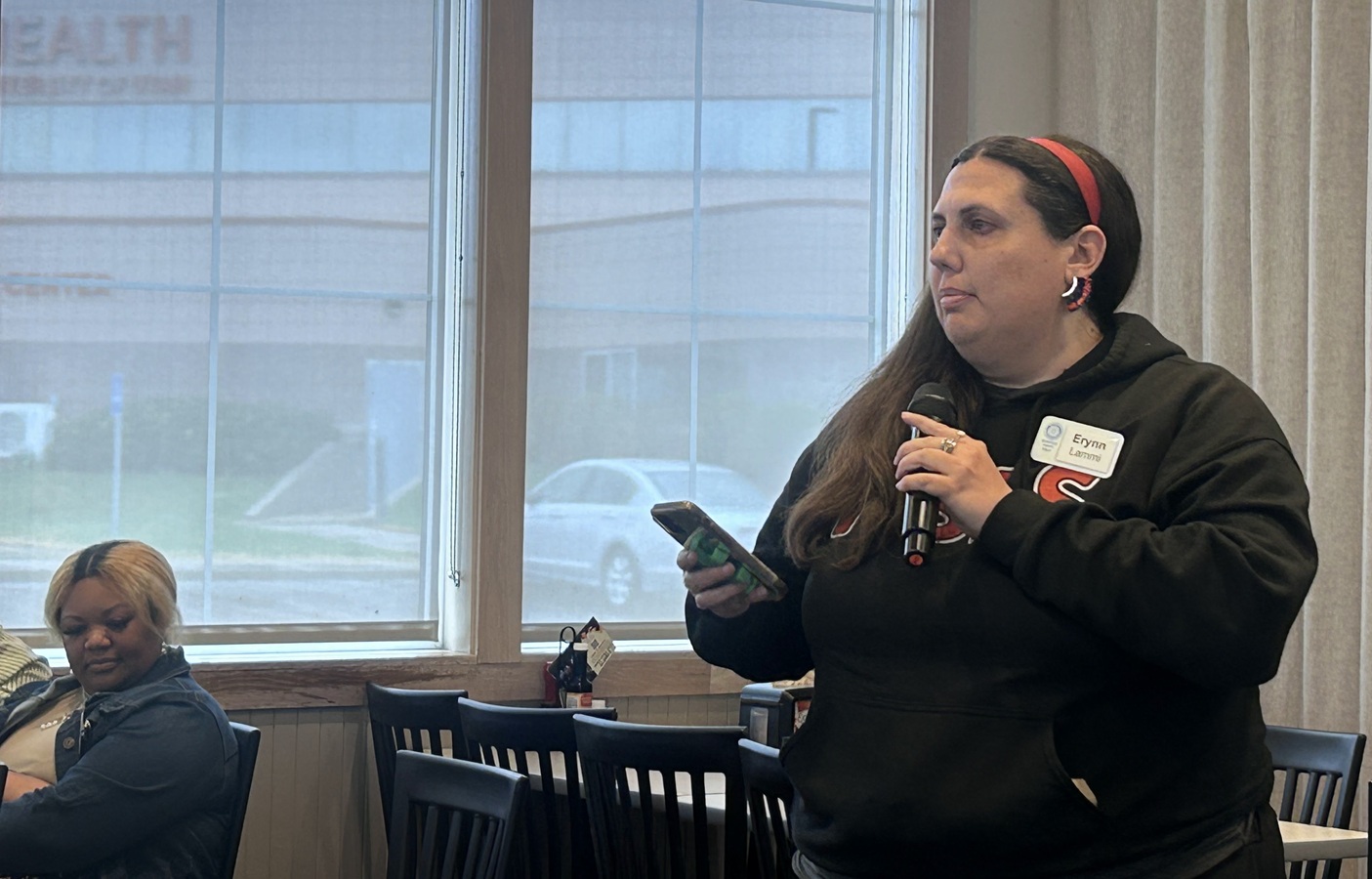
Erynn Lammi Presenting about CSW70 Results
Megan Ashcraft: Megan is a Humanities major who aims to pursue a master’s degree in intercultural
communications and become a United Nations ambassador. For her Geneva research project,
she is studying the shortcomings in legislation and enforcement of healthcare equality
for people with disabilities in Utah and Appalachia. As a member of the delegation
attending the Commission on the Status of Women, she did not present but actively
engaged in learning and observing global discussions. The experience left her inspired
and motivated to advocate for important issues, recognizing that persistent voices
can lead to meaningful change.
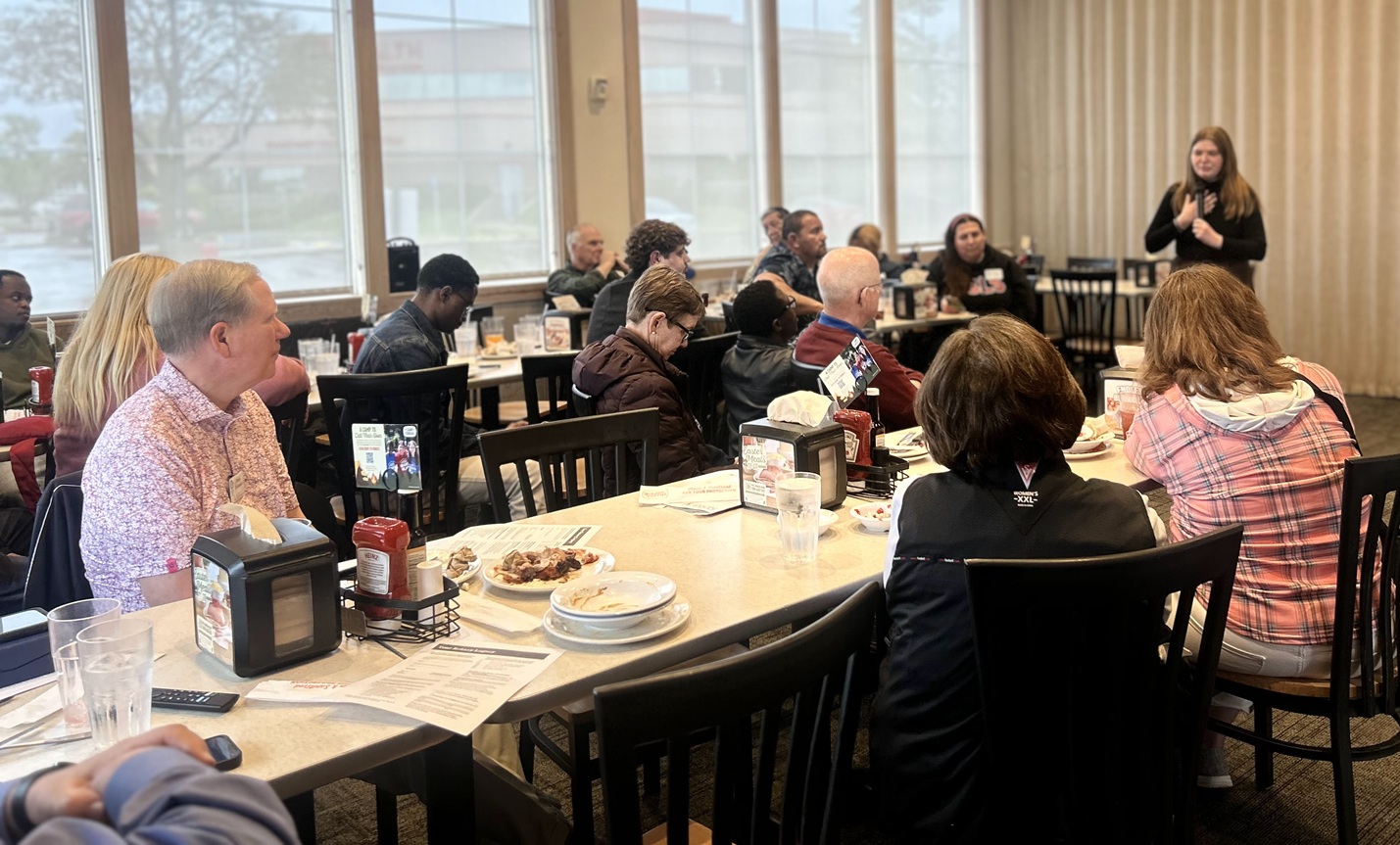
Megan Ashcraft Presenting about CSW70 Results
By João Petter and Louyoko Nianza. Edited by: Natalia Figueroa