Stronger teaching, stronger ensembles, stronger students.
Built for music educators, ensemble directors, and instructional leaders working in performance-based settings, this five-module course blends theory with practical application to support more intentional, student-centered instruction. Participants will explore the influence of personal and professional identity on teaching practice, examine demographic and institutional factors that shape classroom dynamics, and reflect on their instructional values and methods.
From strategies to manage high-stakes classroom moments to evaluating curriculum and repertoire through a broader lens, each module offers actionable approaches to improve teaching effectiveness in ensemble environments. Educators will engage with readings, media, and case studies while developing tools such as personalized teaching frameworks and curriculum evaluation plans. This course supports reflective practice, instructional growth, and stronger alignment between teaching goals and student needs.

Tuition:
$95
Format:
Self-Paced Online
Modules:
5
Prerequisites:
None
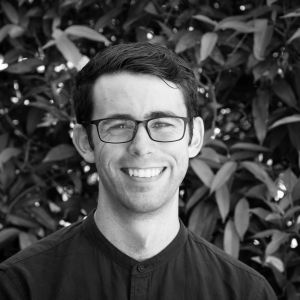
Director of Bands | Utah Valley University
Christopher is currently serving as Director of Bands at Utah Valley University in Orem, Utah. He conducts the UVU Wind Symphony and directs instrumental studies within the music education area. Prior to academia, Chris served as a band director at Dalat International School in Penang, Malaysia. He is also an active scholar working at the intersection of wind band studies and music education. He holds degrees from The Hartt School, the University of New Mexico, and East Texas A&M University. An avid supporter of new music, he has been part of numerous commissioning projects and has recorded with the Naxos, Parma and Summit record labels. He is an active member in the College Band Directors National Association, Utah Music Educators Association, American Musicological Society, and National Association for Music Education.
This course is designed for music educators who direct ensembles at any level, from middle and high school band and orchestra directors to collegiate instructors.
What will I walk away with after completing the course?
You'll come away with a clearer understanding of your own teaching philosophy, practical tools for building inclusive ensemble spaces, and a concrete action plan for expanding access and belonging in your program.
How is the course structured?
How much time should I expect to commit?
Is this course focused only on music theory or performance?