Executive leaders from Utah Valley University (UVU), Snow College, and Mountainland Technical College (MTECH) gathered Monday to begin implementing the Wasatch South Regional Partnership, part of the Utah Board of Higher Education's new regional framework designed to improve college access, affordability, and educational outcomes across the state.
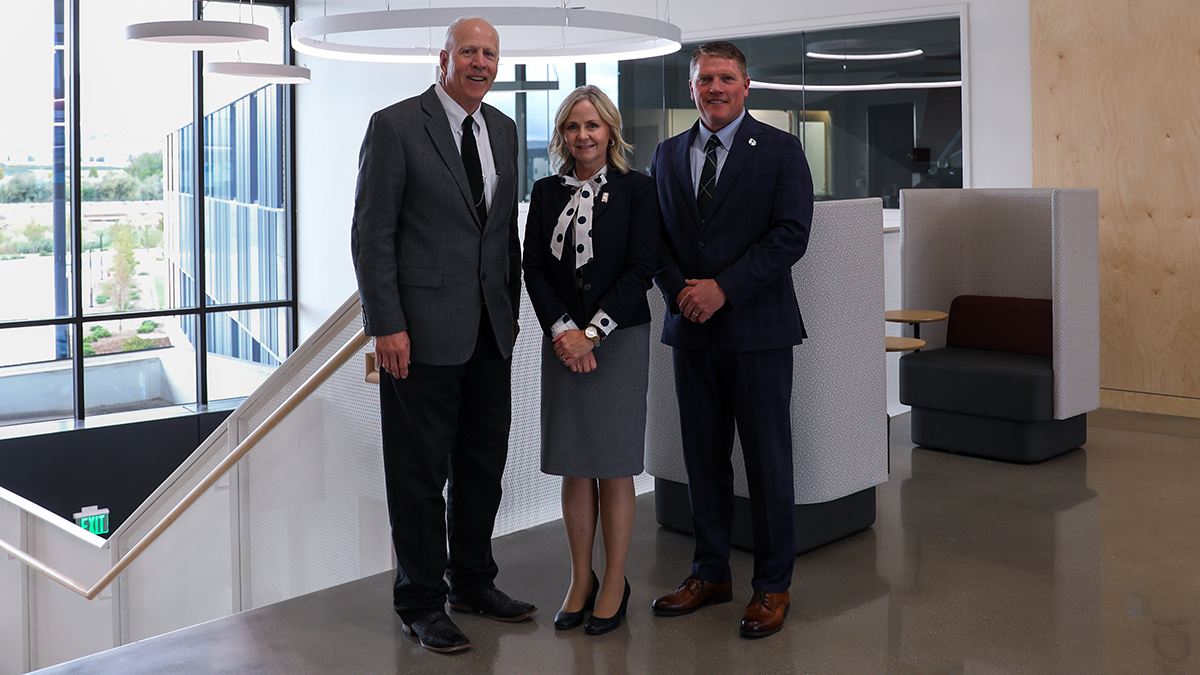
Executive leaders from Utah Valley University (UVU), Snow College, and Mountainland Technical College (MTECH) gathered Monday to begin implementing the Wasatch South Regional Partnership, part of the Utah Board of Higher Education's new regional framework designed to improve college access, affordability, and educational outcomes across the state.
The summit, the first in the system, brought academic, technical education, student affairs, and other leaders from all three institutions together to identify opportunities for collaboration and develop specific action plans. Priorities include creating clearer pathways from technical certificates through associate and bachelor's degrees, improving transfer and student support processes, addressing program capacity and workforce needs, and coordinating outreach to students and families.
"This partnership brings together the distinct strengths of UVU, Snow College, and MTECH to create greater opportunity for students and the communities we serve,” said UVU President Jon Anderson. “It reflects our shared commitment to building clearer, connected pathways that help students move more confidently from certificates and degrees to meaningful careers. By aligning together, we are expanding access, supporting student success, and ensuring more Utahns have the opportunity to achieve their goals."
A central focus of the partnership is creating a more seamless student experience. Leaders are working toward coordinated admissions, advising, financial aid, and transfer processes so students can take advantage of opportunities at all three institutions without unnecessary barriers.
The institutions will also explore shared educational pathways, collaborative grant opportunities, and strategies to better meet regional workforce needs. The summit marks an important first step in developing measurable goals, identifying responsibilities, and establishing timelines for continued collaboration.
The three institutions anticipate formalizing the partnership through a memorandum of understanding and joint signing event later this fall.

