Thomas Ng, CEO & Founder of Genashtim, shares leadership insights on authenticity, employee growth, workplace culture, and purpose-driven organizations.
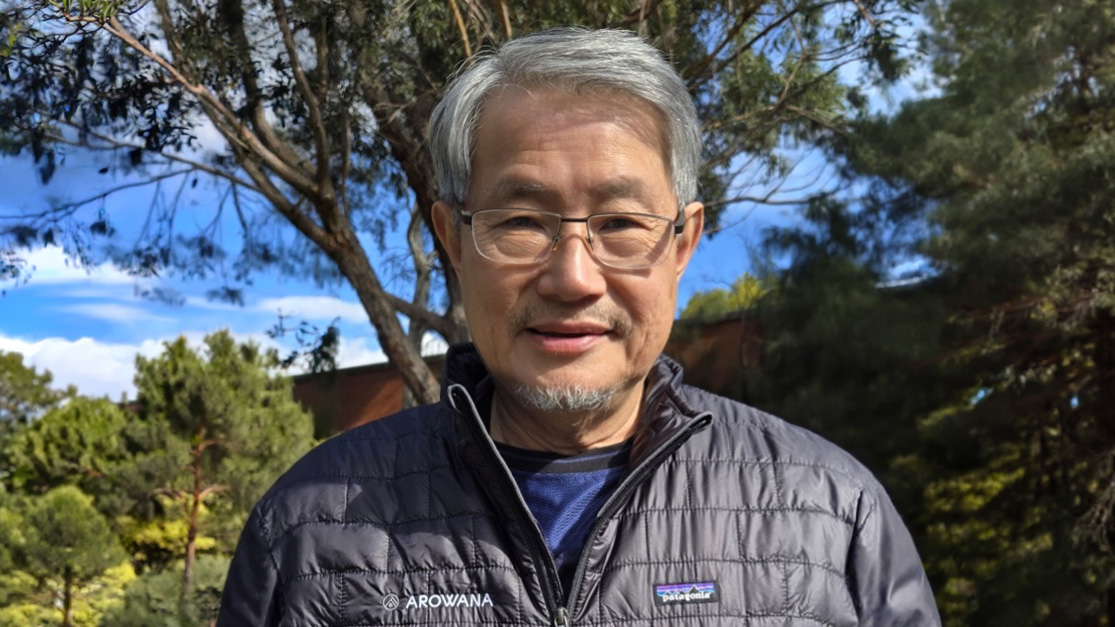
We are pleased to feature Thomas Ng, CEO & Founder at Genashtim. After 25 years as an international corporate executive with senior positions in two MNCs, started a for-profit social enterprise which today has global prominence in the field of ESG.
Learn more about Thomas here: https://thomasngwm.com/
Drawing from his extensive leadership experience, Thomas shares his insights below on creating healthy workplaces, developing future leaders, and building purpose-driven organizations.
What is one practical thing leaders can do to create a more supportive and healthy work environment?
“Be sincere and authentic about caring for people, but make them realize that we all have to deliver and produce results. A business that cannot make a profit can do little to look after its people or anything for that matter. Create the environment to allow them to grow and prosper. Be transparent and share the good news as well as the bad. The problem with most leaders is that they are not sincere. They are all about themselves. We have found that sharing our profits with our people does motivate them to deliver more. We also have radical experiments like no limit to annual leave, which end up with much less leave application to the point that we need to mandate minimum leave.”
If you could share one insight with individuals hoping to grow, lead, and succeed, what would it be?
“You need to find the right environment. It is not easy, but you do need to select the right business with a purpose and leadership that will give you the opportunity to grow. As with building lasting and successful companies, as an individual, you also need to look beyond the short term and beyond instant gratification. There is really no shortcut to hard work and putting in the hours into tasks that you can learn and grow. I know of an inspiring story where a fresh graduate decided which company he wanted to work for, and told them to just pay him what he is worth after he has started working with them. He went on to have a very successful career and was often headhunted.”
Many of Thomas' leadership insights align with several well-established leadership theories and organizational behavior concepts, including Authentic Leadership, Servant Leadership, Self-Determination Theory, Social Exchange Theory, and Person-Organization (P–O) Fit Theory.
To begin with, Thomas emphasizes that sincerity and authenticity are essential qualities for leaders who want to create supportive and healthy work environments. His perspective closely aligns with Authentic Leadership Theory. Gardner et al. (2005) explain that authentic leadership develops through self-awareness, authentic relationships, and transparency between leaders and followers. Similarly, Avolio and Gardner (2005) suggest that authentic leaders inspire trust and enhance organizational performance by leading with integrity, transparency, and genuine concern for others. Thomas' belief that leaders should be sincere and authentic reflects these principles, demonstrating how authenticity can foster trust and cultivate a positive workplace culture.
Building on this idea, Thomas highlights the importance of genuinely caring for people, a perspective that strongly reflects Servant Leadership Theory. According to Greenleaf (1977), the primary responsibility of a leader is to serve others before serving themselves. Servant leaders prioritize employees' growth, well-being, and development, empowering them to reach their full potential. Rather than relying on authority or status, they lead with humility, empathy, stewardship, and a commitment to helping others succeed. Thomas' emphasis on creating an environment where people can grow and prosper closely embodies these servant leadership principles.
Additionally, Thomas shares that “We have found that sharing our profits with our people does motivate them to deliver more.” This perspective aligns with Social Exchange Theory (Cropanzano & Mitchell, 2005), which proposes that strong relationships between leaders and employees are built on trust, mutual respect, and long-term reciprocity rather than immediate transactions. When organizations invest in employees through support, fairness, and meaningful relationships, employees are more likely to reciprocate with greater commitment, stronger performance, increased organizational citizenship behaviors, and lower turnover. Thomas' experience illustrates how investing in employees can encourage them to contribute more fully to organizational success.
Another noteworthy aspect of Thomas' leadership philosophy is his commitment to employee autonomy. He explains that his organization experimented with “no limit to annual leave, which ended up with much fewer leave applications to the point that we need to mandate minimum leave.” This example reflects Self-Determination Theory (Deci & Ryan, 2000), which proposes that people are most motivated when their needs for autonomy, competence, and relatedness are supported. Similarly, Gagné and Deci (2005) found that autonomy-supportive leadership enhances employee engagement, commitment, performance, and overall well-being. Thomas' experience illustrates how trusting employees with greater autonomy can encourage responsibility rather than reduce accountability.
Finally, Thomas encourages individuals to seek organizations that align with their values and provide opportunities for growth, stating, “You need to find the right environment... You do need to select the right business with a purpose and leadership that will give you the opportunity to grow.” This perspective reflects Person-Organization (P–O) Fit Theory, which suggests that when employees' values align with those of their organization, they experience greater well-being, commitment, and organizational effectiveness (Kristof-Brown et al., 2005).
Overall, Thomas Ng's leadership philosophy demonstrates that strong organizations are built by balancing genuine care for people with accountability, trust, and a shared sense of purpose. His insights reinforce decades of leadership research, showing that authenticity, service, employee autonomy, meaningful relationships, and organizational fit not only create healthier workplaces but also contribute to long-term organizational success.
References
Avolio, B. J., & Gardner, W. L. (2005). Authentic leadership development: Getting to the root of positive forms of leadership. The Leadership Quarterly, 16(3), 315–338. https://doi.org/10.1016/j.leaqua.2005.03.001 View Avolio, B. J., & Gardner, W. L.'s Authentic leadership development: Getting to the root of positive forms of leadership
Cropanzano, R., & Mitchell, M. S. (2005). Social exchange theory: An interdisciplinary review. Journal of Management, 31(6), 874–900. https://doi.org/10.1177/0149206305279602 View Cropanzano, R., & Mitchell, M. S.'s Social exchange theory: An interdisciplinary review
Deci, E. L., & Ryan, R. M. (2000). The "what" and "why" of goal pursuits: Human needs and the self-determination of behavior. Psychological Inquiry, 11(4), 227–268. https://doi.org/10.1207/S15327965PLI1104_01 View Deci, E. L., & Ryan, R. M.'s The "what" and "why" of goal pursuits
Gagné, M., & Deci, E. L. (2005). Self-determination theory and work motivation. Journal of Organizational Behavior, 26(4), 331–362. https://doi.org/10.1002/job.322 View Gagné, M., & Deci, E. L.'s Self-determination theory and work motivation
Gardner, W. L., Avolio, B. J., Luthans, F., May, D. R., & Walumbwa, F. O. (2005). "Can you see the real me?" A self-based model of authentic leader and follower development. The Leadership Quarterly, 16(3), 343–372. https://doi.org/10.1016/j.leaqua.2005.03.003 View Gardner, W. L., Avolio, B. J., Luthans, F., May, D. R., & Walumbwa, F. O.'s"Can you see the real me?" A self-based model of authentic leader and follower development
Greenleaf, R. K. (1977). Servant leadership: A journey into the nature of legitimate power and greatness. Paulist Press.
Kristof-Brown, A. L., Zimmerman, R. D., & Johnson, E. C. (2005). Consequences of individuals' fit at work: A meta-analysis of person–job, person–organization, person–group, and person–supervisor fit. Personnel Psychology, 58(2), 281–342. https://doi.org/10.1111/j.1744-6570.2005.00672.x View Kristof-Brown, A. L., Zimmerman, R. D., & Johnson, E. C.'s Consequences of individuals' fit at work: A meta-analysis of person–job, person–organization, person–group, and person–supervisor fit

