Zions Bank Director and Executive Vice President, Tom Morgan shares meaningful insights on the power of influence, collaboration, and building community with UVU students during the Reed and Christine Halladay Executive Lecture Series.
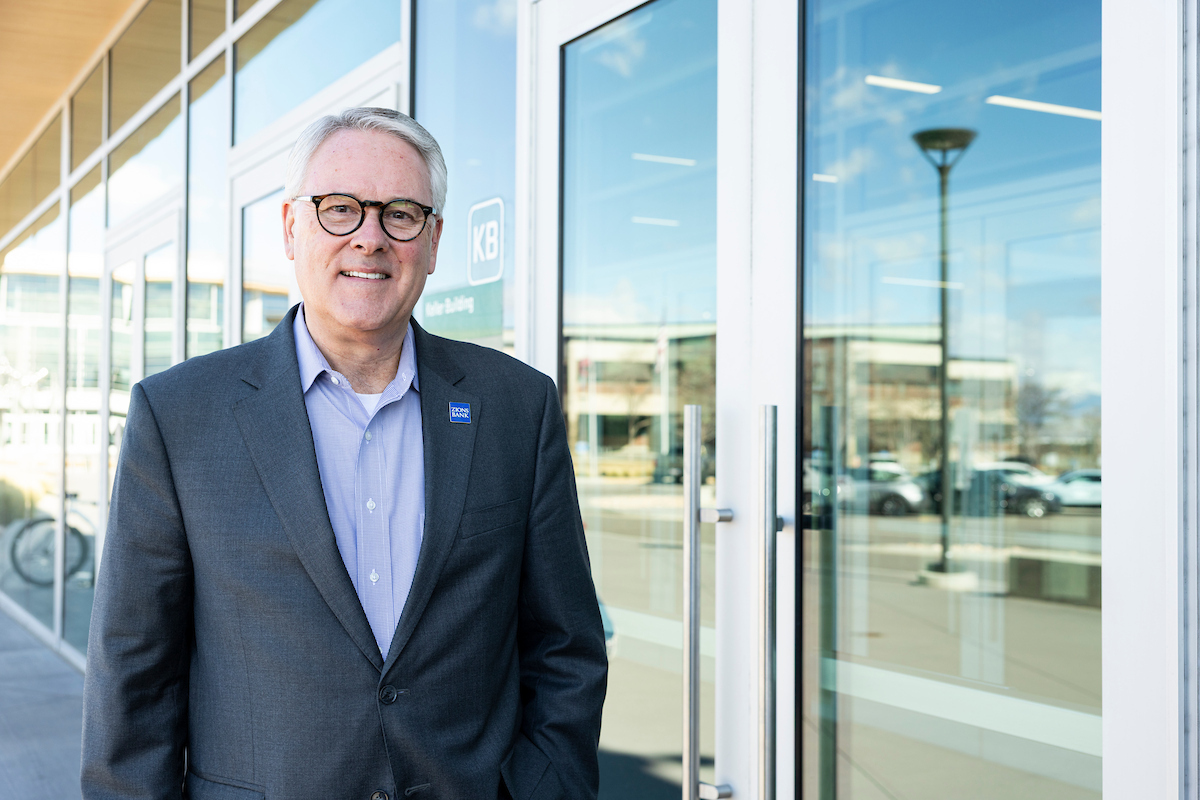
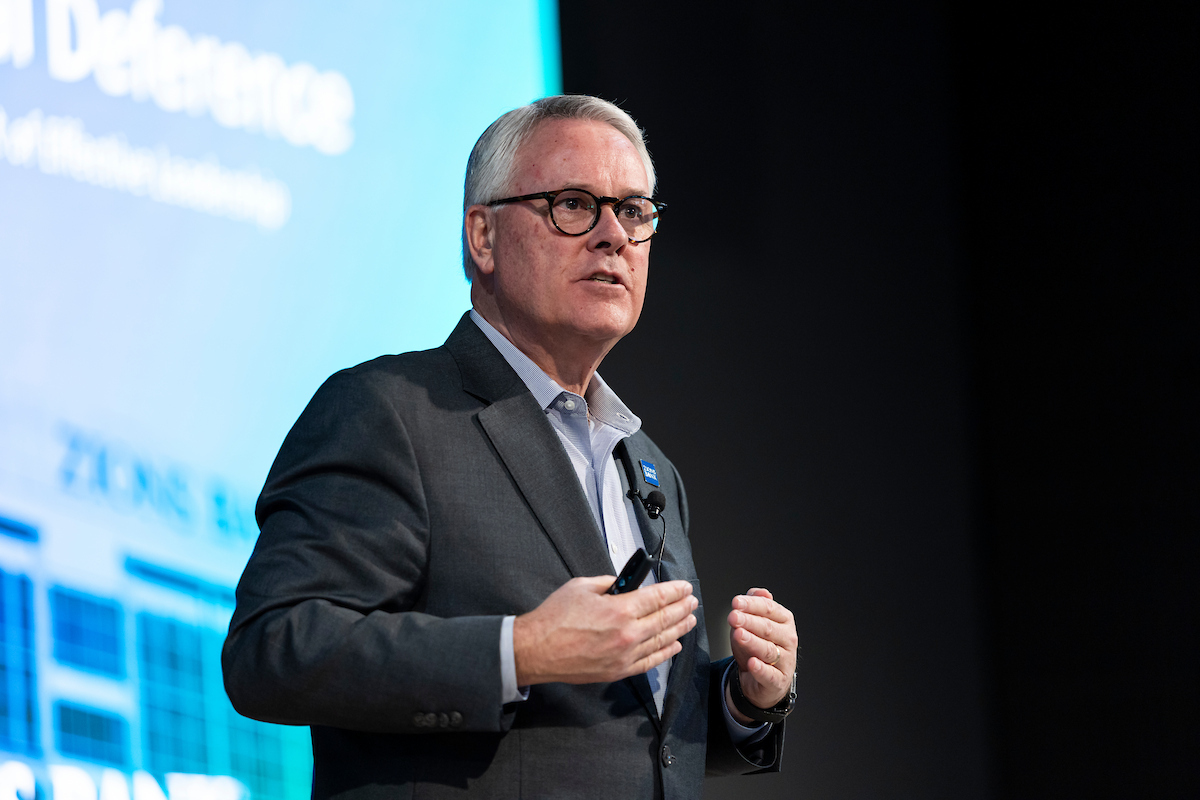
Thomas B. Morgan serves as Director and Executive Vice President overseeing Retail, Business and Professional, and Omni Channel Banking at Zions Bank, a national bank with over 1 million customers and more than 400 branches. Over his 37-year career with the bank, he has held numerous leadership roles, steadily expanding his impact and responsibility. He studied business, banking, and finance at Fresno State University and later continued his executive education at the Pacific Coast Banking School at the University of Washington.
Tom began his career on the credit side of banking, working in analytical roles that aligned with his strengths in data and risk assessment. This foundation naturally led him into management and eventually executive leadership. His progression into the Executive Vice President role overseeing Omni Channel Banking reflects not only his technical expertise, but also Tom's deep understanding of people, community culture, and organizational dynamics.
Early in his remarks, Tom shared a guiding principle that has shaped his transformative journey as a business leader:
“I’ve learned that influence is far more valuable than power.”
He challenged students to consider the difference between positional authority and earned trust. In both banking and the broader world of business organizations, success is fundamentally relational. While power may come with a title, influence is built through credibility, consistency, and respect. According to Tom, creating a long-term impact comes from the ability to bring people together rather than direct them from above.
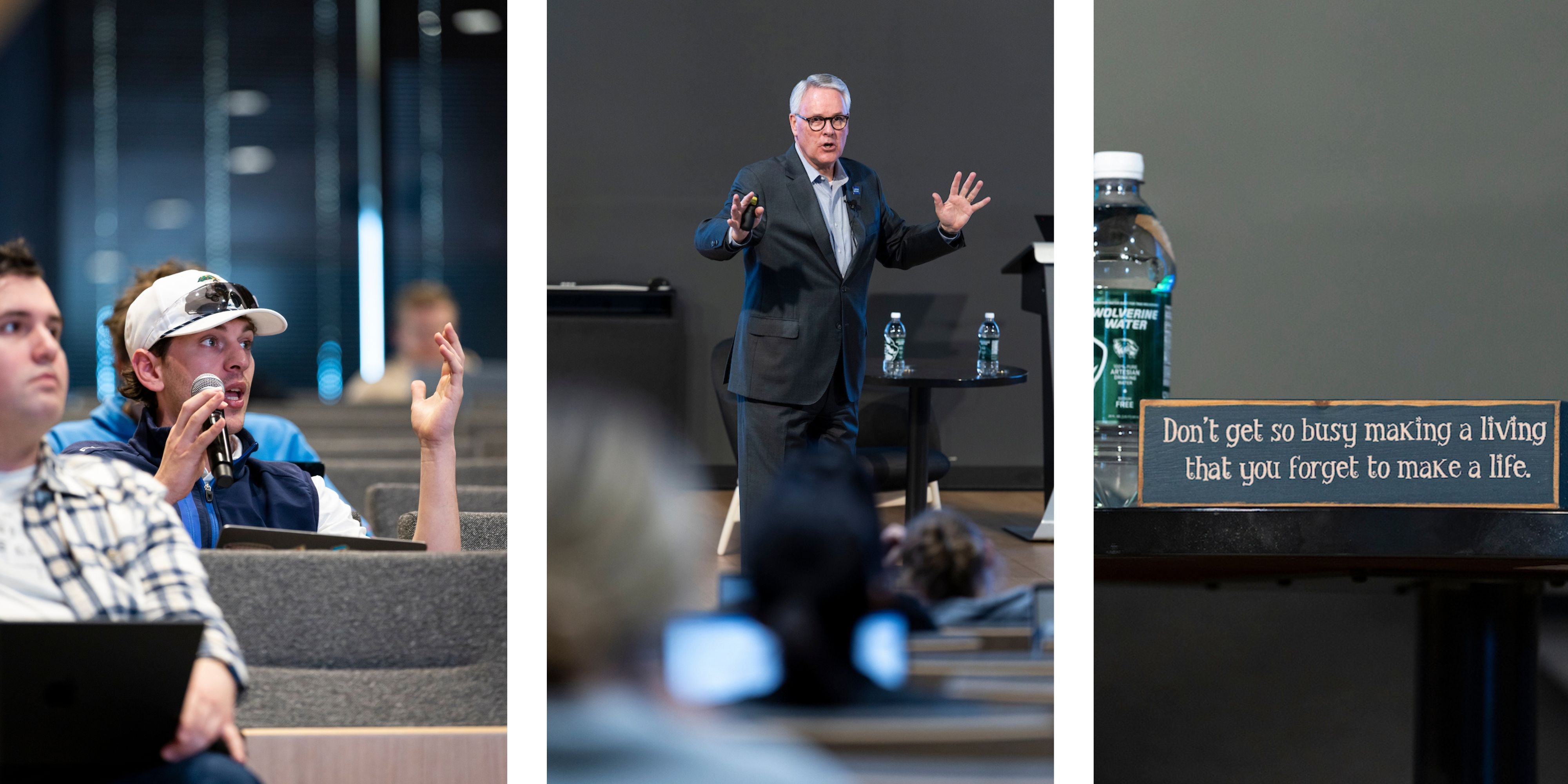
A central theme of his message was professional deference. Using analogies ranging from basketball teams to international petroleum management, Tom illustrated how high-performing organizations rely on mutual respect and a willingness to recognize expertise in others. He emphasized that collaboration and open dialogue have been critical to his own success. Effective organizations, he explained, create space for every voice because growth depends on collective insight rather than individual control.
Beyond his corporate responsibilities, Tom has remained deeply engaged in local community leadership. He has served on the boards of Intermountain Healthcare and SelectHealth and previously chaired the Utah State Charter School Board. He currently serves as Chair of the Board for the Economic Development Corporation of Utah and as a member of the Salt Lake Chamber Board of Directors. His civic involvement reflects his belief that business leaders have a responsibility to empower the communities they serve.
Tom concluded by sharing a quote from former President Ronald Reagan:
“There’s no limit to what you can do or where you can go if you don’t mind who gets the credit.”
The message captured the essence of his leadership philosophy. By prioritizing influence over authority, collaboration over control, and service over recognition, Tom offered students a clear and practical example of principled leadership in action.
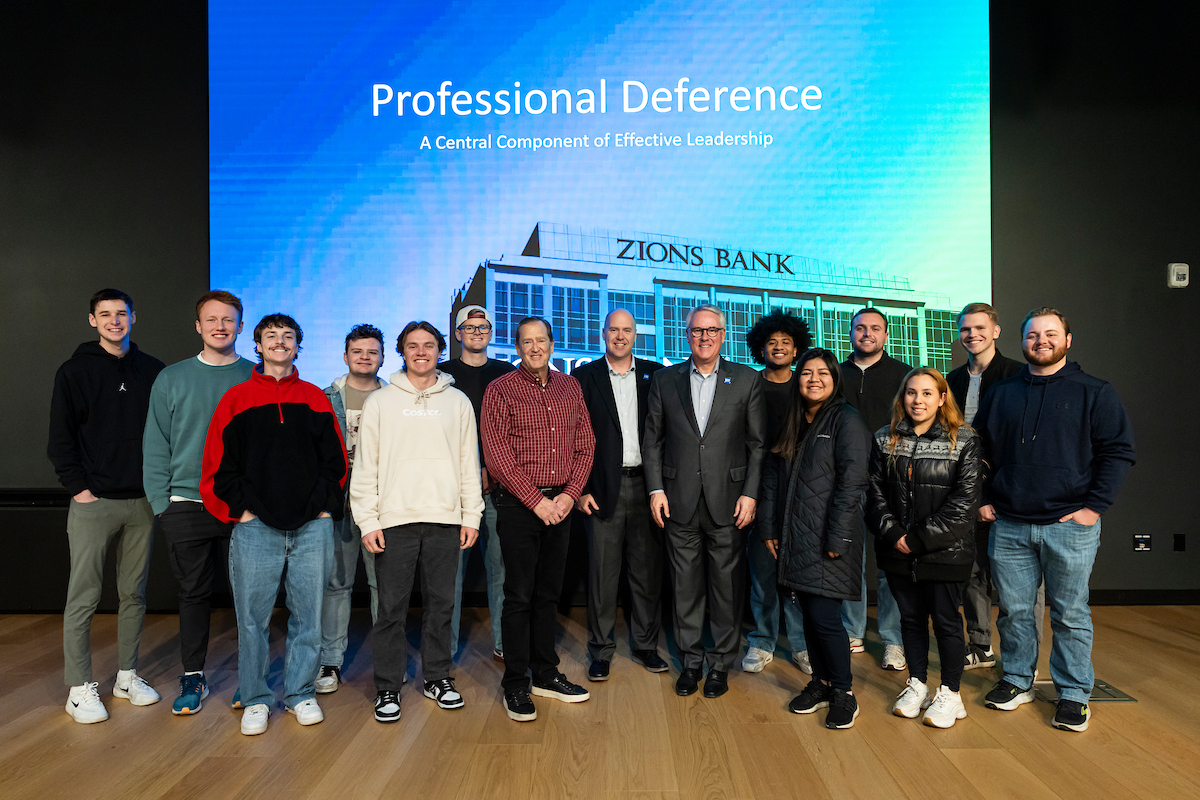
The Woodbury School of Business extends its appreciation to Tom Morgan for sharing his experience and perspective. His emphasis on relational business, professional respect, and selfless leadership left students with practical guidance and a lasting reminder that true success is built through people.
Want to catch every insight from this year’s Halladay Lecture Series?
LEARN MORE ABOUT ALL SPRING 2026 HALLADAY LECTURE SERIES SPEAKERS HERE.
Watch Tom Morgan's full lecture below.

