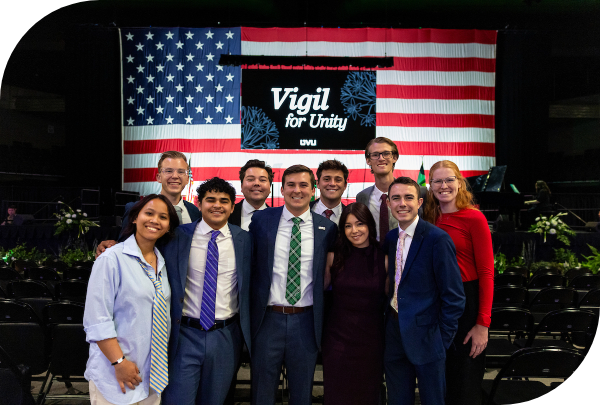

The killing of Charlie Kirk on September 10, 2025, was a grievous tragedy that reverberated through the Utah Valley University (UVU) community and nation. It challenged civility, respectful disagreement, and freedom of speech — core freedoms written in the United States Constitution. In the wake of this tragedy, UVU President Astrid S. Tuminez, Ph.D., asked, “What is this moment asking of us? Of UVU? Of the nation?”
That question became the foundation of a new presidential initiative: Our Better Selves for a Better America. This initiative equips individuals with essential skills — civil dialogue, conflict navigation, principled negotiation, and peacemaking — to ensure disagreement does not devolve into dehumanization.
To understand is to listen deeply, without interruption or assumption. We listen not just to grasp what’s said, but what’s felt. It’s hearing the whole person behind the words and letting them know they’ve been truly seen.
How to get involved?
Earn an academic credential
We learn best when we learn together. Honest conversation and shared experience help us see beyond assumptions, ease fear, and build the trust that division erodes.
How to get involved?
Engage in events
It takes courage to choose care over contempt. When we show respect in difficult moments and model empathy even when it’s unpopular, we create the kind of presence that makes connection possible and inspires others to do the same.
How to get involved?
Expanding skills prepare UVU graduates and citizens
Learn more about President Tuminez's vision for "Our Better Selves for a Better America"
Our Better Selves for a Better America will transform a moment of tragedy into a movement of unity, understanding, and learning. The goal is to foster a vibrant, non-violent community of students and citizens equipped to engage in civil discourse and collaborative problem-solving through better listening, better dialogue, and better connection.
This is a critical investment in the future of American democracy. UVU is prepared to be a national leader of what it looks like when a community commits to showing up with intention, honesty, and humanity.
When hate, anger, and fear are loud, we must be louder."
- UVU Student
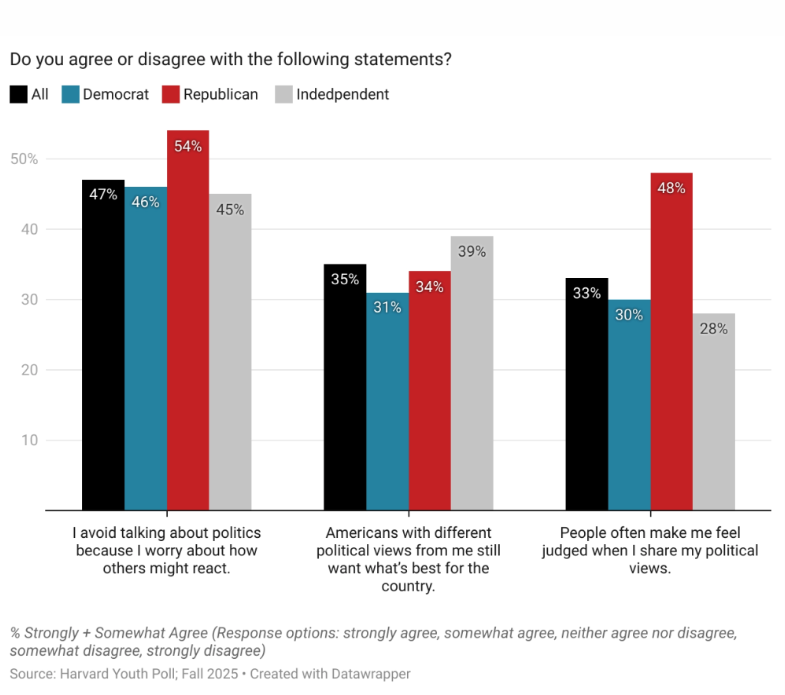
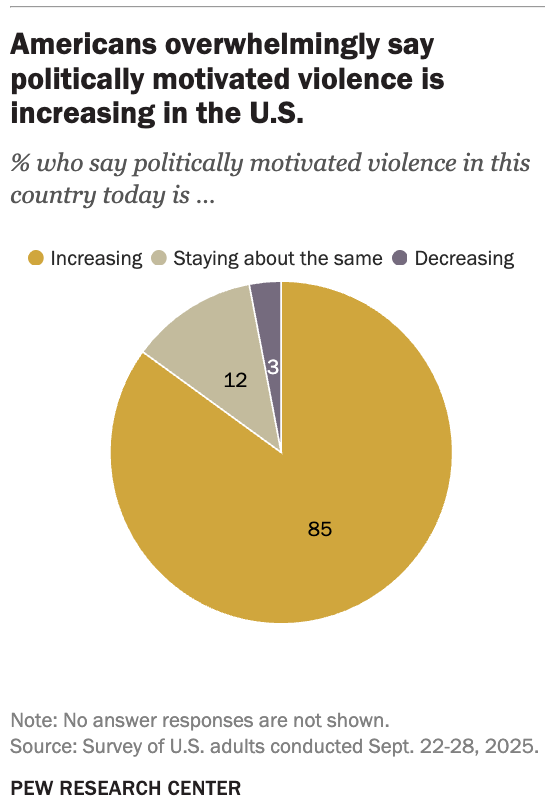
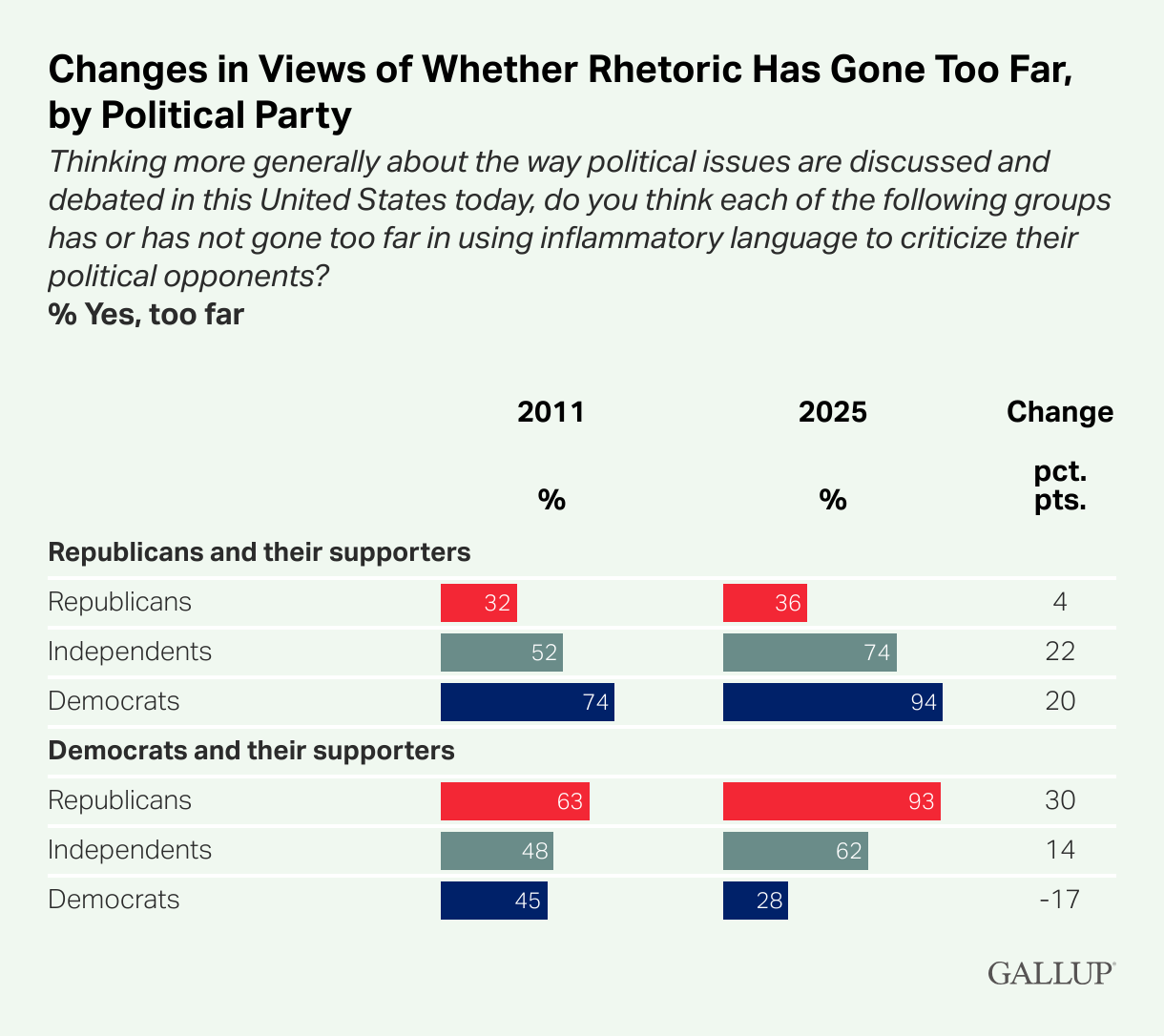
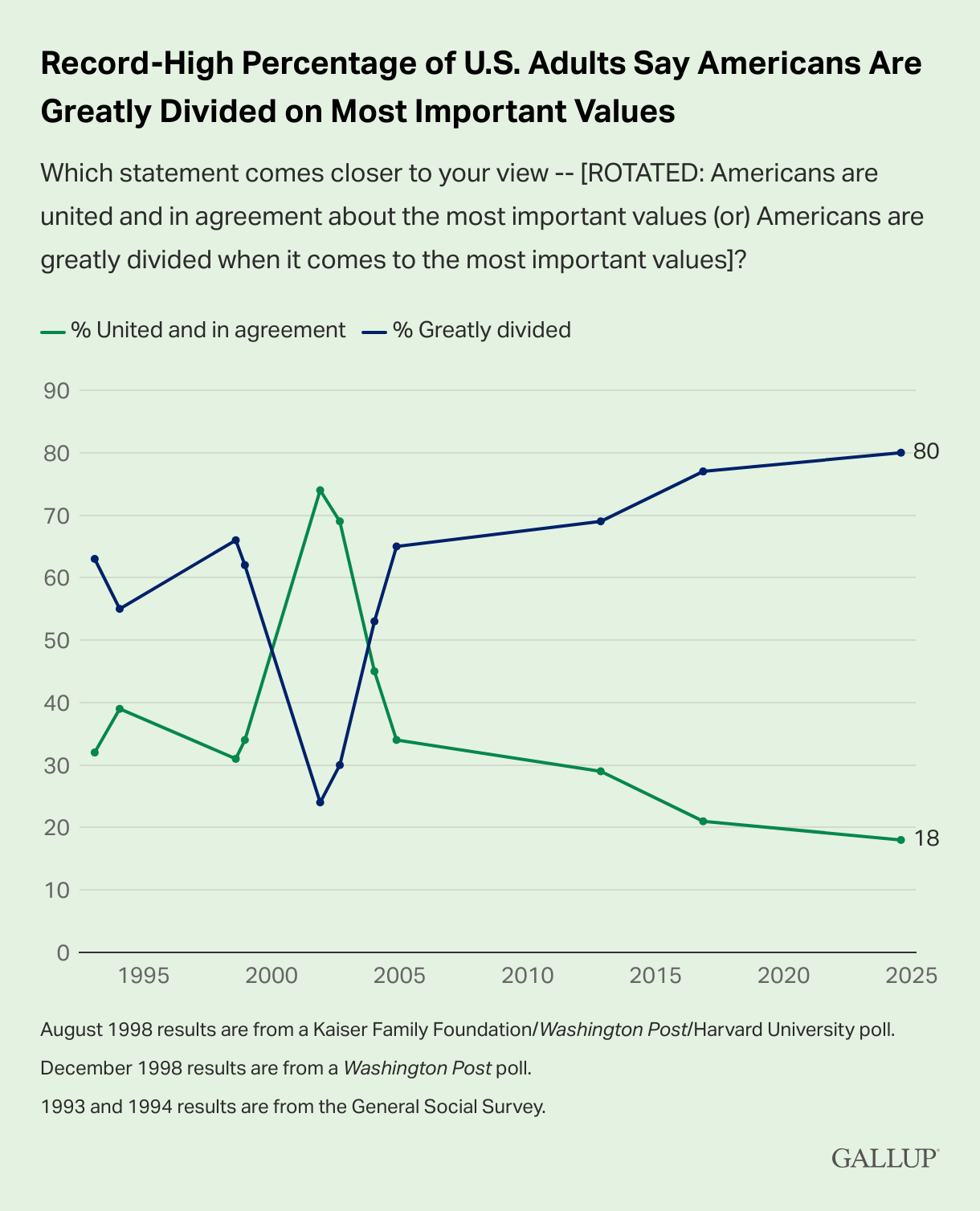
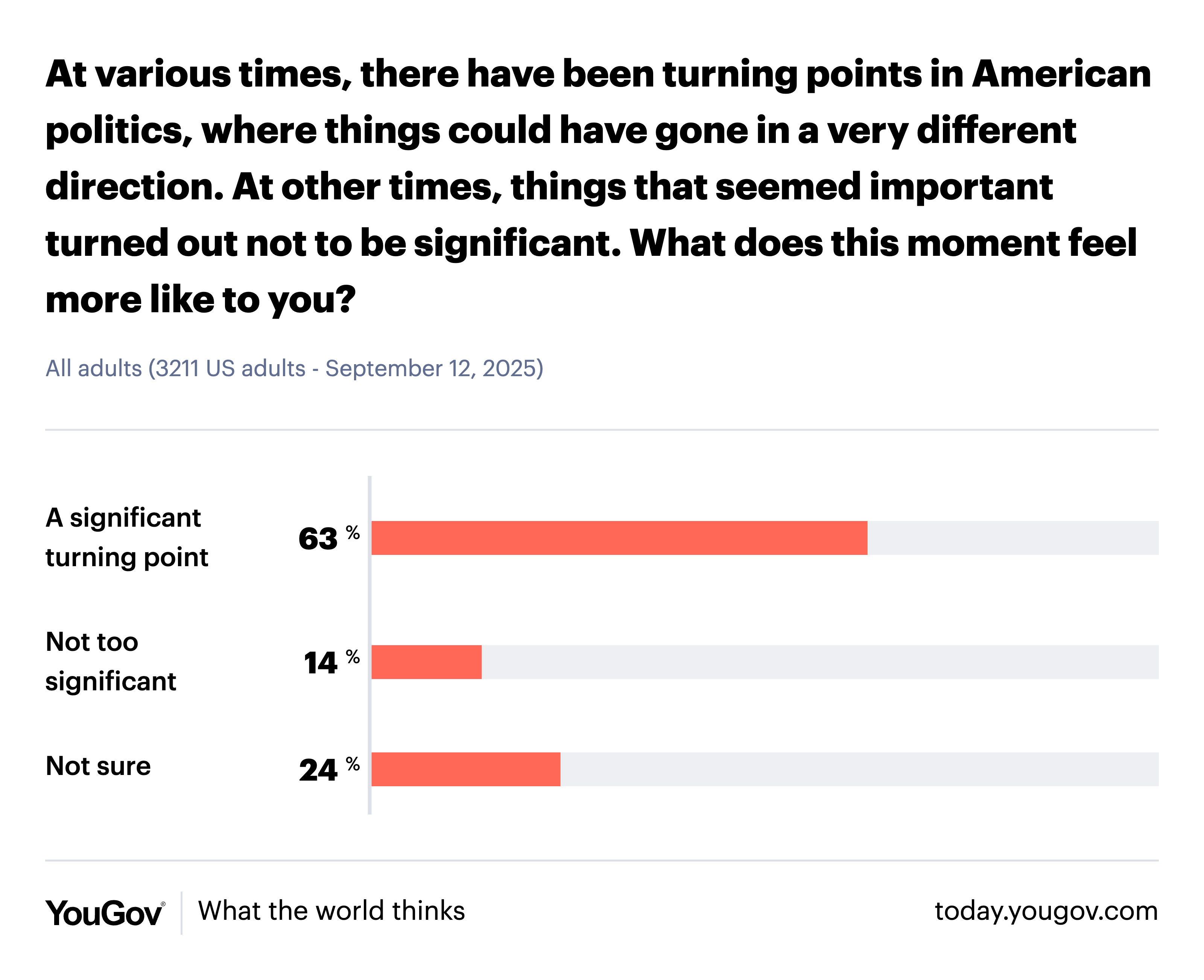
National research shows that affective polarization—seeing those with different political views as moral or existential threats—has nearly doubled since the late 1970s, reshaping how Americans relate to one another in everyday life (Iyengar et al., 2019; Pew Research Center, 2025). Americans overwhelmingly recognize the danger: 87% say political polarization is a serious threat to the nation, and 86% report feeling exhausted by political division (Listen First Project, 2024; Gallup, 2024). These divisions are no longer merely rhetorical. More than 85% of Americans believe politically motivated violence is increasing, and troublingly, nearly 1 in 5 adults ages 18-29 say political violence can sometimes be justified, signaling a fraying commitment to peaceful democratic norms (Pew Research Center, 2025; YouGov, 2025). 63% of U.S. adults feel that this moment in American politics is a significant turning point in history (Harvard Youth Poll, 2025).
Sources:
Gallup. (2024). Americans say political rhetoric has gone too far.
https://news.gallup.com/poll/699077/americans-say-political-rhetoric-gone-far.aspx
Iyengar, S., Lelkes, Y., Levendusky, M., Malhotra, N., & Westwood, S. J. (2019). The origins and consequences of affective polarization in the United States. Annual Review of Political Science, 22, 129–146.
https://www.annualreviews.org/doi/10.1146/annurev-polisci-051117-073034
Klinenberg, E. (2018). Palaces for the people: How social infrastructure can help fight inequality, polarization,
and the decline of civic life. Crown Publishing Group.
https://www.penguinrandomhouse.com/books/566229/palaces-for-the-people-by-eric-klinenberg/
Listen First Project. (2024). Toxic polarization in America: Key data and trends.
https://www.listenfirstproject.org/toxic-polarization-data
Pew Research Center. (2025, October 23). Americans say politically motivated violence is increasing, and they see many reasons
why.
https://www.pewresearch.org/short-reads/2025/10/23/americans-say-politically-motivated-violence-is-increasing-and-they-see-many-reasons-why/
Van Prooijen, J. W., Krouwel, A. P. M., & Pollet, T. V. (2024). Loneliness and susceptibility to radicalization. Behavioral Sciences, 15(8), 1103.
https://www.mdpi.com/2076-328X/15/8/1103
YouGov. (2025). Americans’ views on political violence following high-profile political attacks.
https://today.yougov.com/politics/articles/52960-charlie-kirk-americans-political-violence-poll
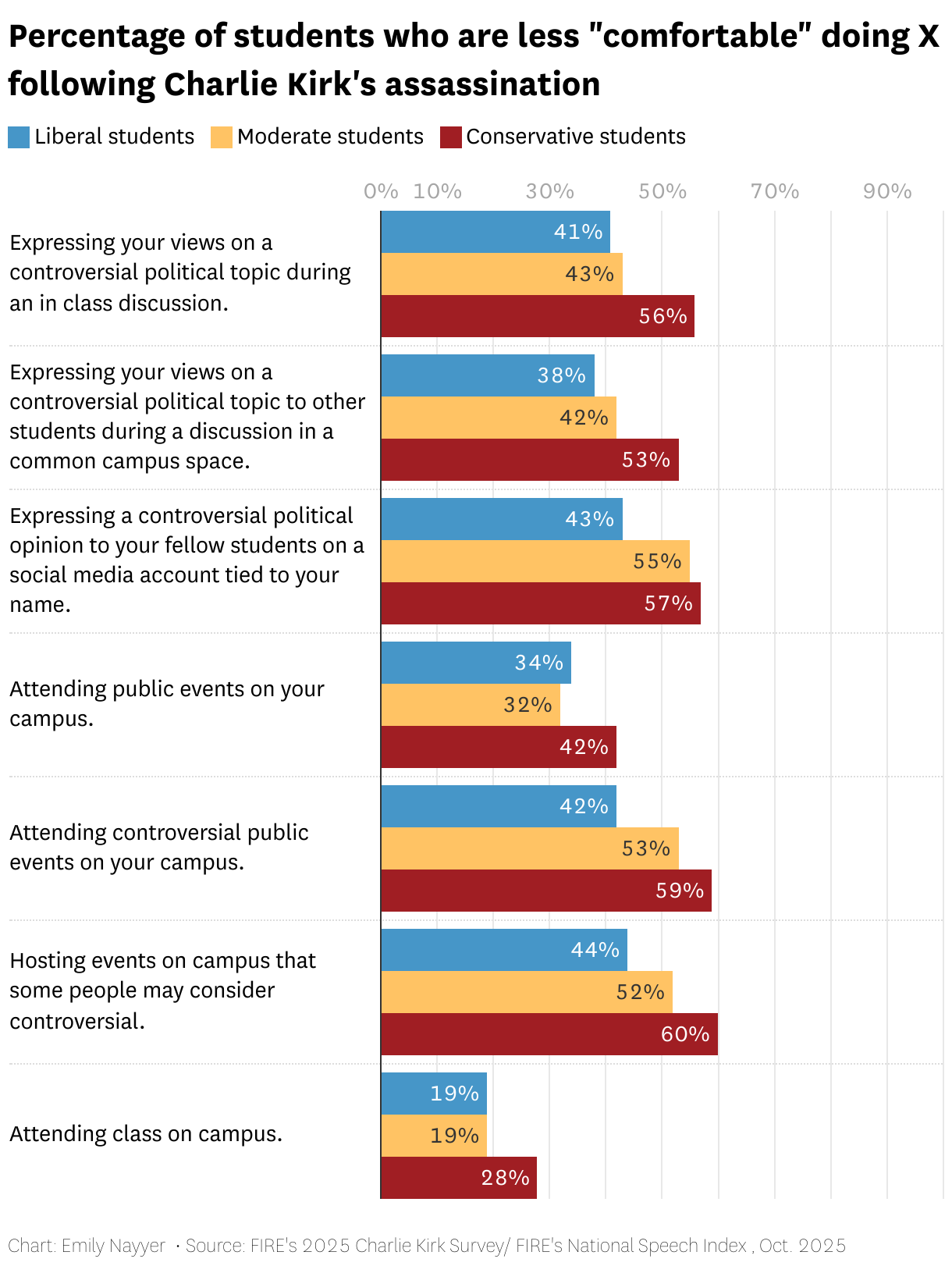
[When] you’re running for your life, scared, and not knowing what’s going to happen, those differences between us, that used to seem so big, turn into something so small. [How], in a time of tragedy, instead of coming together, do we continue to attack and isolate one another?”
- Kyle Cullimore, 25-26' UVU Student Body President
The strength of our democracy and our community depends on ordinary people choosing to bring their best selves to difficult moments.
Our Better Selves for a Better America isn’t about telling people what to think. Rather, it’s a grassroots effort to model what’s possible when a university and the community it serves prioritize people over politics and humanity over headlines.
Donate to fund UVU's Our Better Selves for a Better America initiative.
Our Better Selves for a Better America Fact Sheet
For media inquiries, please contact Sharon Turner at [email protected]

