Digital accessibility means creating technology, content, and environments that everyone can use, including people with disabilities. When something is accessible, it removes barriers and ensures equal access to information, services, and digital tools.

This applies to everything we create online: websites, mobile apps, documents, videos, learning tools, and more.

Accessibility considers a wide range of disabilities, including:

  • Visual (low vision, blindness, color blindness)
  • Auditory (hearing loss or deafness)
  • Motor (limited mobility, difficulty using a mouse)
  • Cognitive (learning differences, memory or processing challenges)

At its core, accessibility is about ensuring everyone can participate fully in our digital world.

And it doesn’t just help people with disabilities. Captions help in noisy environments, keyboard navigation helps power users, and clear content helps everyone.

Ramp leading up to a doorway

What is Web Accessibility?

Creating accessible websites ensures that all of the content on your site is available to any visitor, regardless of disabilities, including:

  • Visual disability such as blindness, low vision, or color blindness

  • Auditory disability such as deafness and hard-of-hearing

  • Motor disability such as inability to use a mouse, slow response time, limited fine motor control

  • Cognitive disability such as learning disabilities, distractibility, inability to remember or focus on large amounts of information

Why It Matters

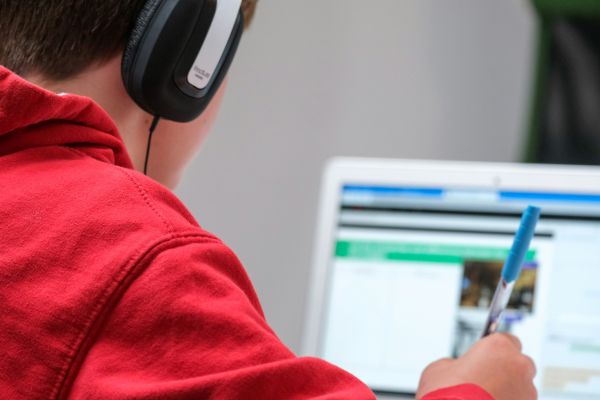
Young man wearing a headphone and holding a pencil while looking at a laptop screen

Digital accessibility supports:

Access for everyone

  • People with visual, auditory, motor, and cognitive disabilities can fully access and use digital tools.

Improved Learning and Engagement

  • Accessible materials help all learners succeed, no matter their needs or preferred ways of interacting.

Better Usability for All Users

  • Good accessibility improves clarity, navigation, and overall user experience for everyone.

Legal and Policy Compliance

  • Accessibility helps organizations meet legal requirements and uphold commitments to accessible educational materials.