The Bachelor of Applied Studies in Emergency Services Supervision is a three-year applied bachelor's (90 credits) degree program for individuals seeking employment or supervisory operations-level career advancement in emergency services and public safety agencies. The program focuses on these organizations' supervisory operations levels.
The Bachelor of Science in Emergency Services Administration at Utah Valley University (UVU) prepares students for leadership roles in emergency services, public safety, and disaster management. The program builds essential skills in mitigation, preparedness, response, and recovery, preparing graduates for supervisory and administrative positions.
Designed for both current professionals and new students, this degree supports career growth for firefighters, law enforcement, and EMS personnel, with experiential credit available for relevant work experience.
Critique major concepts, theoretical perspectives, empirical findings, and historical trends in emergency administration.
Assume administrative roles and responsibilities within emergency services and management.
Make ethical decisions in emergency services.
Communicate emergency information clearly in various formats.
Appraise vulnerabilities of diverse populations and infrastructures.
Will the Emergency Services program meet the educational requirements for the professional credential in the state or US territory you might choose to live during or after completing your UVU degree? Visit the UVU Professional Licensure website to learn more!
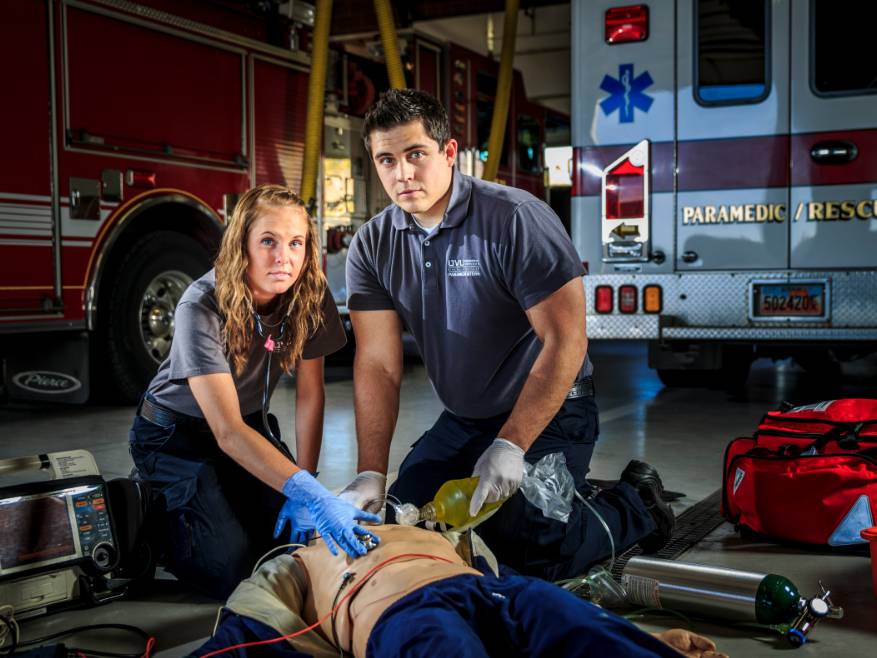
Students interested in emergency medical services (EMS) can earn certifications at multiple levels, including:
These certifications are stackable, allowing students to build their skills and advance step-by-step in their EMS careers.
While completing certifications, students can also work toward an associate degree or a bachelor’s degree in Emergency Services Administration, creating a clear pathway for both education and career advancement.
After each certification, students have the option to enter the workforce or continue their education. Flexible course schedules are designed to help students work while completing their training and degrees.
Students interested in a career in firefighting can choose from multiple training pathways at UVU:
These pathways provide flexible options to help students enter the firefighting field or build skills across multiple fire service areas.
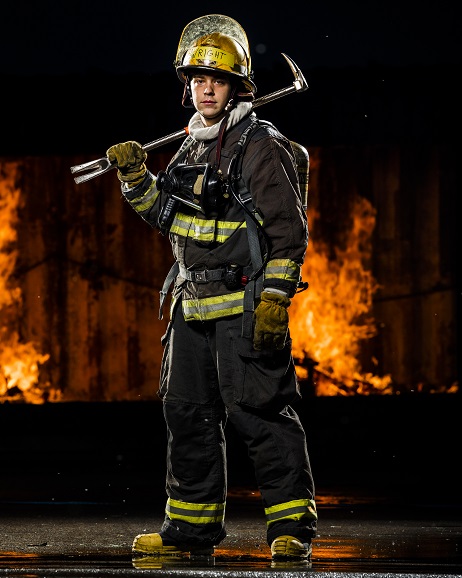
Students enrolled in the Recruit Candidate Academy (RCA) complete approximately:
Graduates of the academy earn the required certifications for entry-level firefighters, including:
These certifications are nationally recognized and accredited through Pro Board and IFSAC, preparing students for employment in fire service agencies.
Students who complete the academy also earn 16 academic credits, which can be applied toward an associate or bachelor’s degree in Emergency Services.
This course prepares students to meet the Wildland Firefighter I (WF1) knowledge and skill requirements outlined in NFPA 1051: Wildland Fire Fighter Professional Qualifications.
Upon completion, students earn their Incident Qualification Card (Red Card), an interagency certification that verifies they meet the required training, experience, and fitness standards to work on wildland fire incidents.
This certification allows students to begin working as a wildland firefighter and gain hands-on experience in the field.
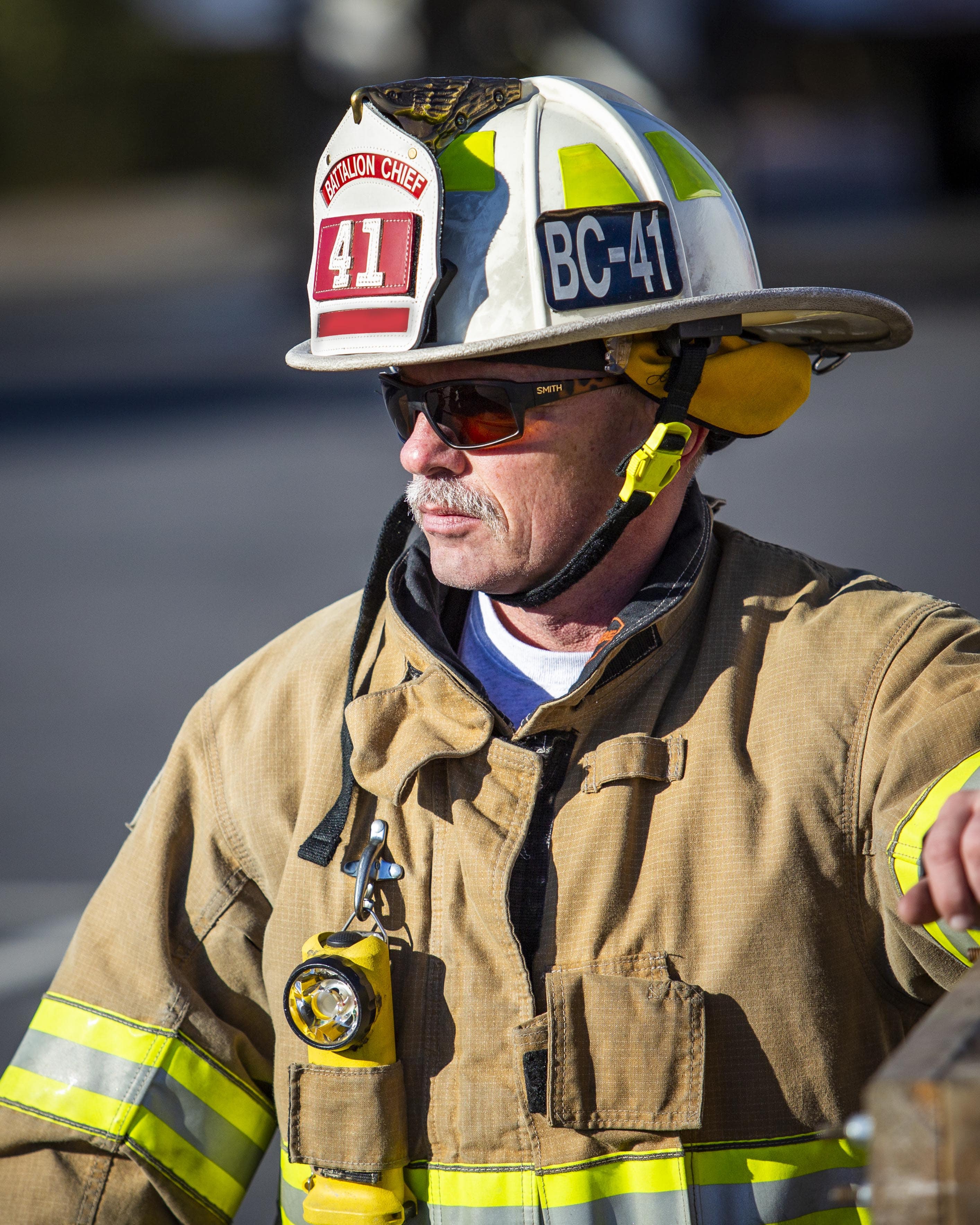
Visit the Forestry, Fire and State Lands Website to learn more about getting hired as a Wildland Firefighter.
Students who complete the UVU wildland fire course and work as a wildland firefighter may apply for a paid summer internship with Utah Forestry, Fire & State Lands.
Selected interns work on crews performing wildland firefighting and fire mitigation throughout Utah and surrounding states, gaining real-world experience on active incidents.
This program is physically and mentally demanding, helping students build skills in teamwork, safety, and emergency response while protecting lives, property, and natural resources.
If you are interested in fast-paced, outdoor, team-based work, this internship offers valuable field experience in the wildland fire service.
For admissions and internship questions, contact Riley Pilgrim [email protected].
The Minor in Homeland Security at Utah Valley University (UVU) provides an interdisciplinary foundation for careers in homeland security, public safety, and national security across both public and private sectors.
This minor is designed for students in a variety of majors who want to expand their knowledge of homeland security and add a specialized credential to their degree. It complements fields such as criminal justice, cybersecurity, emergency management, emergency services, and national security studies.
Students develop strong critical thinking and decision-making skills, along with the ability to analyze large amounts of data, identify actionable intelligence, and communicate effectively in written and virtual environments. The program also prepares students to create clear, concise briefings and professional deliverables relevant to homeland security work.
Examine the major concepts, theoretical perspectives, empirical findings, and historical trends in homeland security.
Apply critical and creative thinking, skeptical inquiry, and problem-solving for decisions in homeland security.
Respect the complexity of socio-cultural and international diversity in homeland security.
The Graduate Certificate in Emergency Management and Homeland Security Administration at Utah Valley University (UVU) prepares current and aspiring professionals for leadership roles in public safety and emergency services.
This certificate focuses on safety and security planning for mid- and senior-level leaders, developing essential skills in disaster assessment, emergency planning and response, vulnerability analysis, and homeland security.
The program is designed as both a standalone graduate credential and a valuable addition for students pursuing a Master of Public Administration (MPA). It emphasizes the community-facing roles and responsibilities of public safety leaders, helping professionals strengthen their ability to plan, respond, and lead during emergencies.
Students gain the knowledge and leadership skills needed to advance in public safety, emergency management, and homeland security careers.
Emergency Management Graduate Certificate
Demonstrate application of the major concepts, theoretical perspectives, empirical findings, and historical trends in emergency management and homeland security.
Make ethical decisions in the fields of emergency management and homeland security using skeptical inquiry, critical and creative thinking, and problem-solving skills.
Use risk assessment and analysis to decrease the vulnerabilities of diverse populations and infrastructure within disasters.