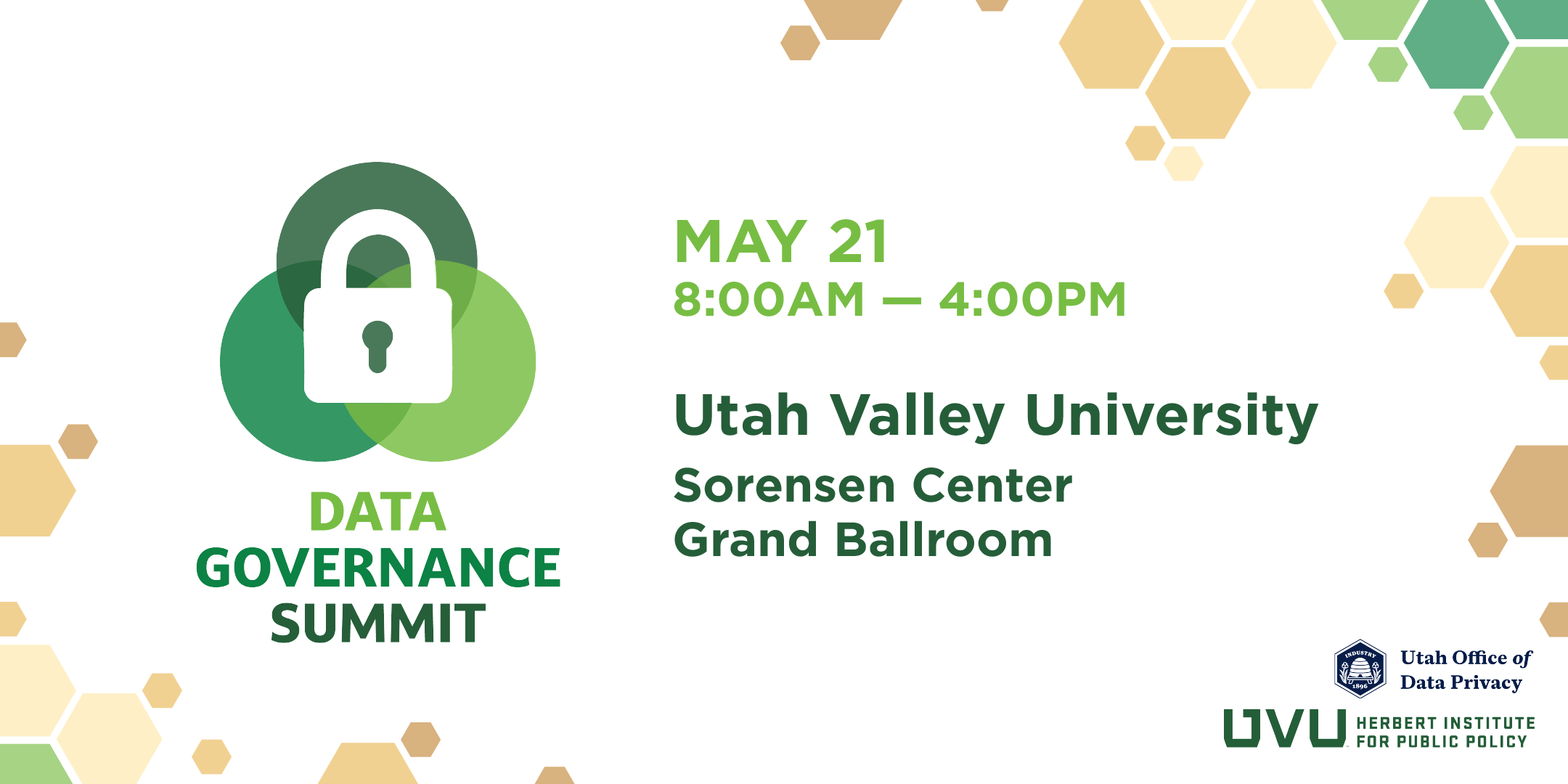
Thursday, May 21, 2026
8:00 AM–4:00 PM
Utah Valley University, Sorensen Center, Grand Ballroom






The three breakout tracks for various needs and specialties include the following:
Best for legislators, policy advisors, executive branch strategists, government affairs staff, state privacy leaders, legal counsel, and others shaping the future direction of privacy, data governance, and trusted digital services in Utah.
Best for executive directors, deputy directors, Chief Administrative Officers, division
directors, city and county executives, agency leadership teams, general counsel, and
others accountable for organizational compliance and program support.
This track is for leaders legally responsible for ensuring privacy and data governance
work inside their organizations.
Operational Implementation — The Operational Playbook Designed for the "boots on the ground," this track dives into the daily workflows required to meet UGDPA and GRAMA standards. This track is built for the people doing the implementation. Focus areas include moving from theory to practice through the 'Records-First' Inventory Clinic (converting GRAMA records into actionable compliance maps), understanding Privacy Artifacts 101, and operationalizing data minimization. This track is all about increasing efficiency while maintaining compliance.
Best for privacy officers, records officers, IT managers, security staff, program managers, project managers, administrative staff, compliance staff, legal support staff, and other personnel responsible for carrying out day-to-day privacy and data governance work.
Together, we’re not just solving technical challenges — we’re shaping the future of responsible government. Data Governance is Built Here.
Printed Program PDF available HERE.
Please check-in for the event at the registration table, located just outside the Grand Ballroom in the Sorensen Center at Utah Valley University.
This keynote outlines Utah’s long-term vision for governing data in a way that balances privacy, transparency, and responsible use. It begins with a look at the end state Utah aims to achieve—one where individuals and communities trust that governmental entities manage data lawfully, securely, and with clear purpose. From there, the session will walk through the strategies shaping that journey, including the development of State Endorsed Digital Identity (SEDI), verifiable records, scalable data governance models, responsible AI use, and thoughtful approaches to automated decision-making. All governmental entities play a role in this effort. Achieving this shared vision will require coordination, experimentation, and steady progress over time. By working together, Utah can build systems that strengthen public trust, improve service delivery, and create lasting value for every community across the state.
Location: Grand Ballroom, Sorensen Student Center (SC)
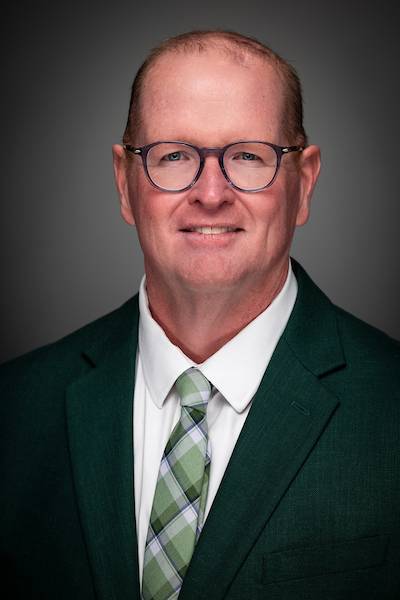
Welcome to the Summit!
Justin Jones
Senior Director, Gary R. Herbert Institute for Public Policy
Justin Jones has served as Senior Director of the Gary R. Herbert Institute for Public Policy since August 2021, overseeing the Institute’s operations, programs, fundraising, and partnerships. Prior to this role, he was UVU’s Senior Director of Donor Relations and Annual Giving, and earlier served as Chief of Staff to two university presidents, helping guide the transition to President Astrid S. Tuminez. Jones previously worked as Vice President of Public Policy and Communications for the Salt Lake Chamber, advocating for key issues at the state and federal level. His career also includes leading crisis communications at Rio Tinto Kennecott during the Bingham Canyon Mine collapse and holding strategic roles with the Utah Transit Authority, Utah County Health Department, and the administrations of Governors Michael O. Leavitt and Olene Walker.

Keynote: Utah's Data Governance Vision
Christopher Bramwell
Chief Privacy Officer, Utah Office of Data Privacy
Christopher Bramwell serves as Utah’s Chief Privacy Officer and Director of the Office of Data Privacy, where he leads statewide efforts to modernize governance and balance of privacy, transparency, and use of data. He helped draft and implement the Government Data Privacy Act and is building tools and frameworks to support privacy programs across all levels of government. Christopher is also a father of three, an avid runner, and is currently building a cabin in the Utah mountains.
This keynote panel builds on the vision presented in the preceding session by moving from long-term direction to practical strategy. Panelists will discuss the real policy steps being taken today to advance Utah’s data governance vision, including legislation, statewide programs, funding priorities, and cross-governmental entity coordination efforts.
The discussion will focus on how deliberate policy choices are creating the legal frameworks, governance models, and implementation pathways needed to move Utah governmental entities from vision to practice. By aligning leadership, resources, and partnerships, these efforts are laying the foundation for a future where Utahns can trust how their data is governed.
Location: Grand Ballroom, Sorensen Center (SC)

Senator Kirk Cullimore
Utah Senate Majority Leader, District 19
Sen. Kirk A. Cullimore was elected to the Utah Senate in 2018 and represents District 19, the southeast part of Salt Lake County and sections of northeast Utah County. He currently serves as the Majority Leader for the Senate Majority Caucus.
Sen. Cullimore received an associate’s degree in music from Utah Valley University. He then served a two-year mission for the Church of Jesus Christ of Latter-day Saints in the Philippines. After returning, he continued his education and received a bachelor’s degree in music from Brigham Young University. He subsequently taught music for six years and managed a music teaching studio. Sen. Cullimore then went on to pursue a law degree at the University of Oklahoma and began his law career in Oklahoma primarily in Federal Indian Law. He moved back to Utah and runs his own law practice focusing on general business representation, land use, water development and technology issues.
Christopher Bramwell
Chief Privacy Officer, Utah Office of Data Privacy
Christopher Bramwell serves as Utah’s Chief Privacy Officer and Director of the Office of Data Privacy, where he leads statewide efforts to modernize governance and balance of privacy, transparency, and use of data. He helped draft and implement the Government Data Privacy Act and is building tools and frameworks to support privacy programs across all levels of government. Christopher is also a father of three, an avid runner, and is currently building a cabin in the Utah mountains.
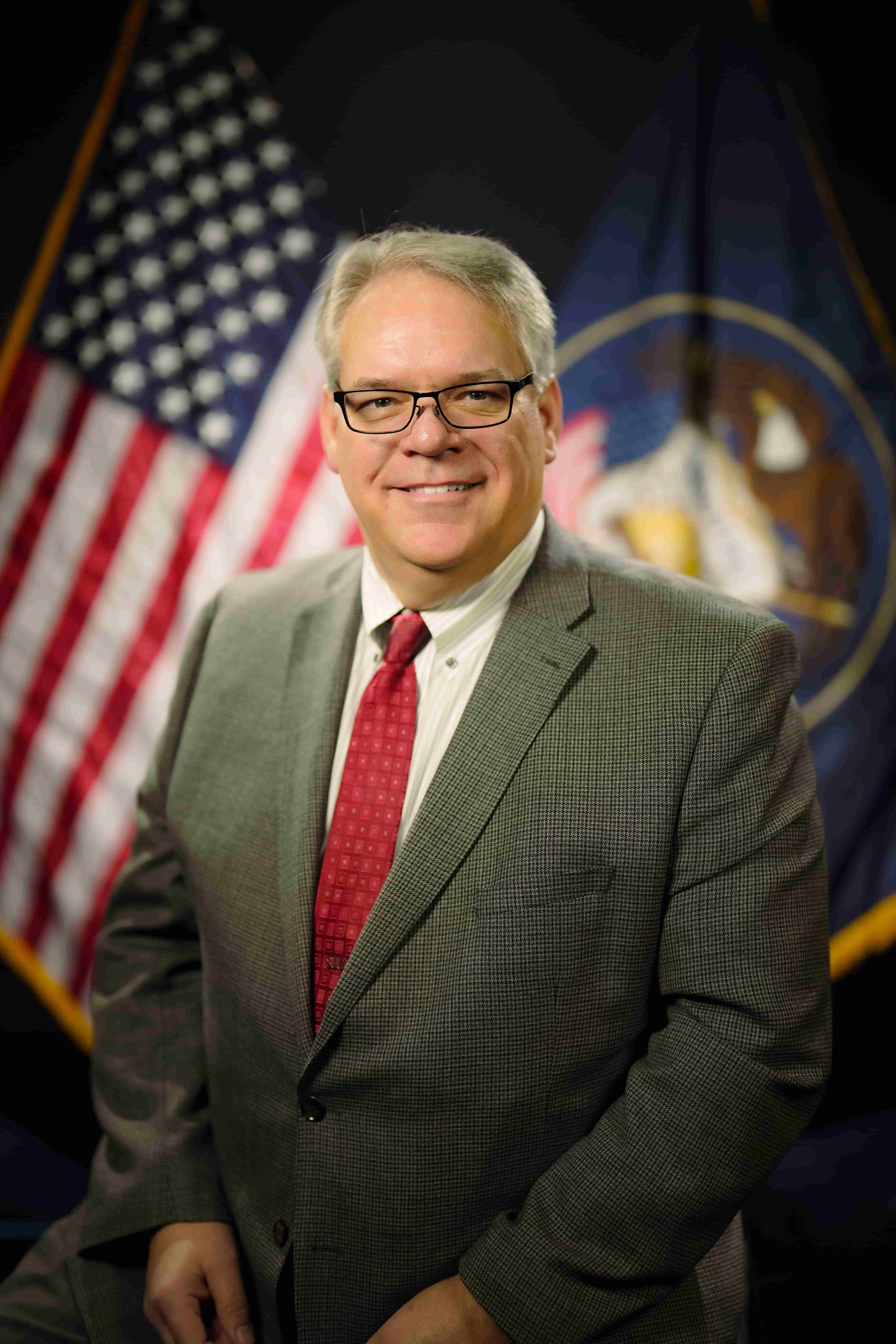
Marvin Dodge
Governor Spencer Cox appointed Marvin Dodge Executive Director of the Utah Department of Government Operations in April 2023. The department includes Administrative Rules, Archives & Records, Facilities Construction & Management, Finance, Fleet Services, Human Resources, Data Privacy, Purchasing & General Services, Risk Management, and Technology Services.
Prior to his appointment with GovOps, Mr. Dodge served as the Chief Financial Officer and Vice President of Finance and Administrative Services at both Southern Utah University and Snow College. His service also included working for three Utah Governors including Michael O. Leavitt, Olene S. Walker, and Jon M. Huntsman Jr. in various assignments including: Deputy Executive Director of the Utah Department of Administrative Services, Chief Financial Officer for the Utah Department of Workforce Services, Deputy Director of the Governor’s Office of Planning and Budget, Administrator for the Utah Substance Abuse and Anti-Violence Coordinating Council, and other administrative functions.
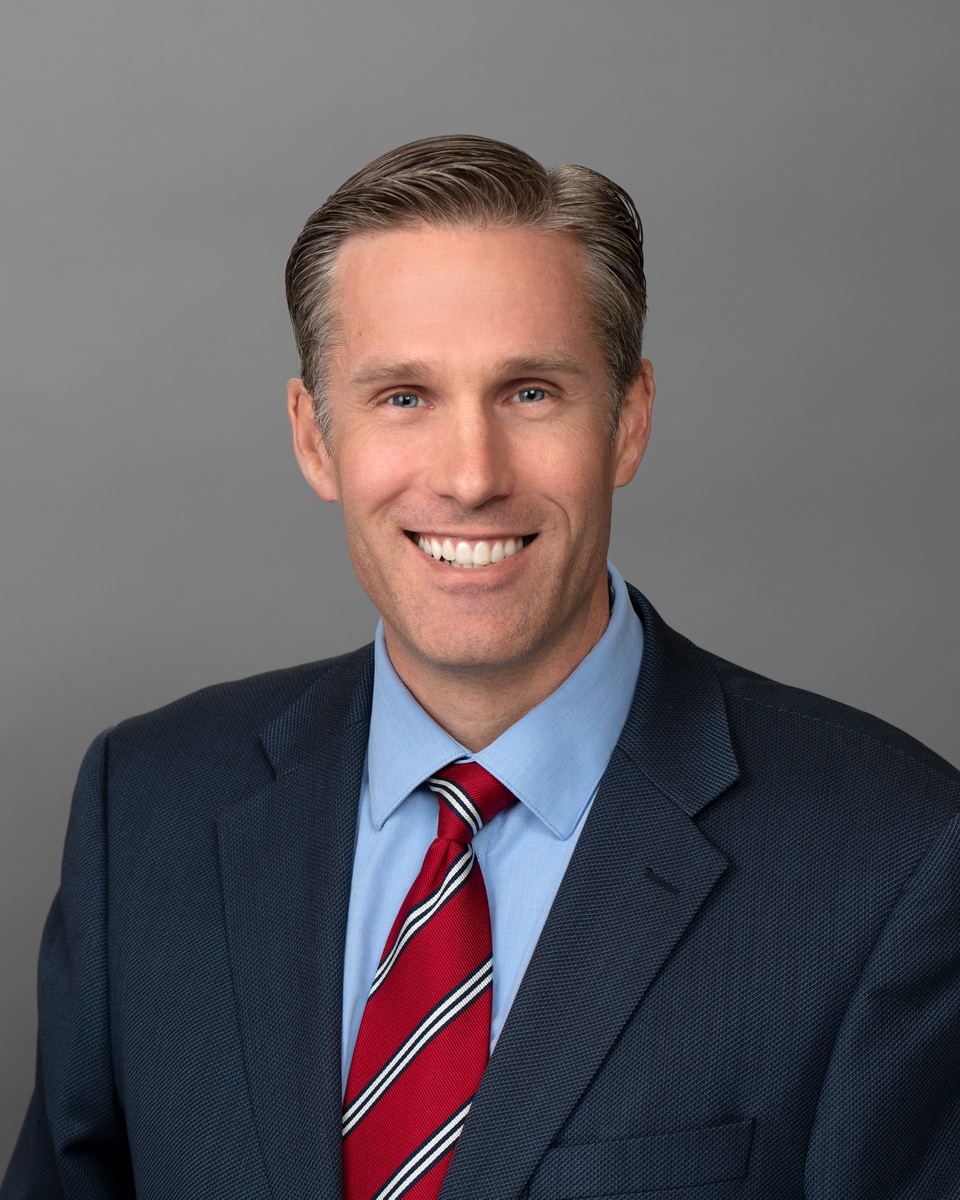
Representative Paul Cutler
Utah House of Representatives, District 18
Paul Cutler was elected to the Utah State Legislature in 2022. He serves as Vice-Chair of the House Economic Development & Workforce Service Committee. He previous served 12 years as a Centerville Mayor & Councilman. Paul has a BS in electrical engineering from the University of Utah and an MBA from the Marriott School at Brigham Young University. When not debating legislation, he works as an Engineering Director for a global tech company, leading consulting teams that build and optimize massive scale wireless, optical, and data center networks for large service providers.
Justin Jones, Moderator
Executive Director, Gary R. Herbert Institute for Public Policy
Justin Jones has served as Executive Director of the Gary R. Herbert Institute for Public Policy since August 2021, overseeing the Institute’s operations, programs, fundraising, and partnerships. Prior to this role, he was UVU’s Senior Director of Donor Relations and Annual Giving, and earlier served as Chief of Staff to two university presidents, helping guide the transition to President Astrid S. Tuminez. Jones previously worked as Vice President of Public Policy and Communications for the Salt Lake Chamber, advocating for key issues at the state and federal level. His career also includes leading crisis communications at Rio Tinto Kennecott during the Bingham Canyon Mine collapse and holding strategic roles with the Utah Transit Authority, Utah County Health Department, and the administrations of Governors Michael O. Leavitt and Olene Walker.
This session provides a foundational overview of Utah’s State-Endorsed Digital Identity (SEDI) framework and the strategic vision behind establishing a common identity fabric across all governmental entities. Attendees will gain a clear understanding of what SEDI is, why it was created, and how it enables a consistent, interoperable approach to identity verification, authentication and other users across governmental entities
The session will explore how SEDI can help reduce fraud, eliminate duplicative identity systems, and improve operational efficiency, while providing a shared, secure toolset that entities can build upon to modernize services. It will also introduce key concepts such as user-controlled identity, privacy protections, and standards-based interoperability that underpin Utah’s approach.
Designed as an entry point, this session will equip participants with the knowledge needed to begin evaluating their current identity-related processes and preparing for how SEDI can be incorporated into identity verification, authentication, and broader service delivery within their organizations.
Target Audience: Policymakers, executive leaders, and senior government professionals at both the state and local level who are focused on designing the future of privacy, data governance, and trusted digital services in Utah.
Location: Center Stage, Sorensen Center (SC) 108

Representative Kristen Chevrier
Utah House of Representatives, District 54
Representative Kristen Chevrier began her service in the Utah legislature on January 1, 2025. She has dedicated over 30 years to Utah’s political process, as a leader in both local and state Republican Party leadership and as a strong legislative advocate–on a state and national level–for parental rights, informed consent, and data privacy. She co-founded a local informed consent advocacy organization that has been instrumental in educating legislators and policymakers over the past 11 years and in helping to pass legislation doctor/patient relationship, rein in agency authority, and protect and bolster informed consent. Kristen and her husband Brian raised their family in Utah and are grateful for the opportunity to serve the people of this great state.

George McEwan
Utah Privacy Architect, Utah Office of Data Privacy
George serves as the Privacy Architect for the State of Utah within the Office of Data Privacy, leveraging extensive experience in technology and public service. Previously, he held key leadership positions, including Chief Strategy Officer for the Division of Technology Services and IT Director for the Department of Health during the pandemic. As a former Centerville City Councilman, George brings a unique blend of technical expertise and civic engagement. Beyond his professional endeavors, he is a seasoned storyteller, captivating audiences at state festivals with tales drawn from his experiences as a soldier, pilot, international traveler, and inventor.

Steven McCown
Utah Privacy Commissioner
Steven McCown is a Chief Architect at Anonyome Labs where he conducts R&D for security and privacy technologies. He serves in leadership positions at the Decentralized Identity Foundation, Trust Over IP, and is a Commissioner on the Utah Privacy Commission. During his career, McCown has invented several patented mobile payment and security technologies. While at the Idaho National Laboratory (INL; U.S. Dept. of Energy), he performed security vulnerability discovery for computers and mobile devices. He also created a method for common cellphones to detect ionizing radiation (from ‘dirty bombs’) and ‘phone home’ to alert first responders. While serving as a U.S. Air Force officer, he led virtual reality research and built post-mission analysis systems for the AWACS aircraft. McCown holds B.S. & M.S. degrees in Computer Science from Brigham Young University, holds a current Certified Information Security Manager (CISM) certification, and is an inventor on 34 patents.

Joe Jackson, Moderator
Utah Chief Technology Officer
Joe Jackson brings a decade of public sector leadership to his current role as Chief Technology Officer for the State of Utah's Division of Technology Services. Throughout his career with Technology Services and the Utah Department of Health and Human Services, Joe has focused on providing government agencies with innovative technologies and accessible data. His approach blends practical technology and management experience with his academic background in biomedical engineering and business administration to drive efficiencies in public service delivery.
Elected Officials and Chief Administrative Officers are ultimately accountable for their entity’s data governance obligations. This leadership session is designed to provide a clear understanding of your responsibilities and the key actions required to set your entity up for success. Participants will learn the foundational steps leaders must take to establish direction, allocate resources, and ensure accountability. Without informed leadership and deliberate action, data governance programs will struggle to succeed.
Target Audience: Executive leaders responsible for building and sustaining organizational compliance, including Chief Administrative Officers, county commissioners, mayors, city managers, and other senior leaders at the state and local level legally responsible for privacy programs.
Location: Sorensen Center (SC) 206
Christopher Bramwell
Chief Privacy Officer, Utah Office of Data Privacy
Christopher Bramwell serves as Utah’s Chief Privacy Officer and Director of the Office of Data Privacy, where he leads statewide efforts to modernize governance and balance of privacy, transparency, and use of data. He helped draft and implement the Government Data Privacy Act and is building tools and frameworks to support privacy programs across all levels of government. Christopher is also a father of three, an avid runner, and is currently building a cabin in the Utah mountains.
>Privacy and data governance programs often struggle to gain leadership support when
they are viewed only as compliance obligations. This session focuses on demonstrating
the return on investment (ROI) of privacy and data governance to both elected, appointed
officials and the public. Participants will learn how to clearly communicate the value
of privacy maturity—not just for legal compliance, but for operational efficiency,
risk reduction, and responsible innovation.
Target Audience: For staff implementing privacy and data governance requirements in their organizations, including privacy officers, records officers, IT staff, and other assigned support personnel.
Location: Ragan Auditorium, SC 107 (Enter from the second floor)
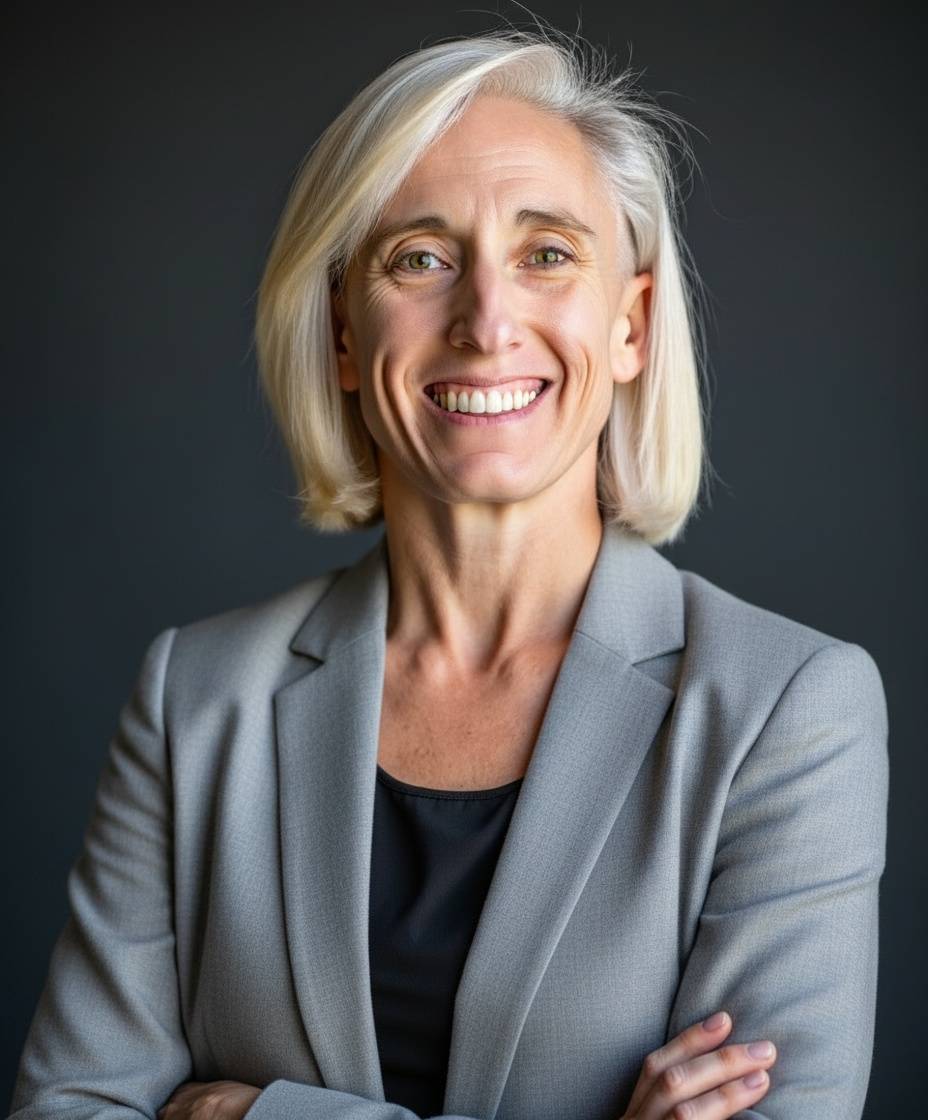
Jodi Shegrud
Director of Privacy, Utah Department of Government Operations
Jodi Shegrud is the Director of Privacy for the Utah Department of Government Operations, where she leads privacy, records management, and data governance initiatives. Her work is dedicated to transforming complex legal mandates into practical, scalable governance processes that support innovation, reduce risk, and foster public trust.
With a background in the private sector implementing programs aligned with ISO, NIST, and HITRUST frameworks, Jodi brings a pragmatic, "ROI-focused" lens to state government. She holds a Master of Legal Studies in Privacy Law and Cybersecurity Policy, is a Certified Information Governance Officer (CIGO), and maintains the IAPP CIPM, CIPT, AIGP, and CIPP/US certifications. Jodi is dedicated to helping organizations move past compliance checklists to build defensible, resource-aligned roadmaps for data privacy.

Marilee Richins
Deputy Director of Government Operations
With over fifteen years of experience in the private sector before joining the state, Marilee has cultivated a vast background in operational excellence and leadership development. Her career includes significant tenures at industry giants such as IBM, Intermountain Healthcare (IHC), and Novell, where she specialized in streamlining complex operational processes and delivering high-impact executive training programs.
Marilee has served in her current role Deputy Executive Director of Government Operations for over ten years, leveraging her extensive corporate expertise to enhance governmental efficiency and effectiveness.
She holds a Master of Public Administration (MPA) degree from Brigham Young University and a Bachelor of Arts degree from Weber State University. Outside of her professional commitments,
she is the proud mother of four sons and finds joy in traveling, cooking, continuous learning, and engaging with a wide variety of people.
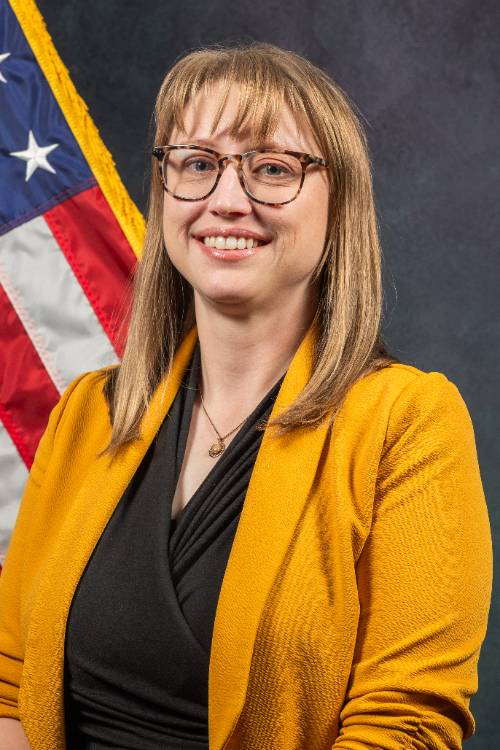
Shanna Durrant
Privacy Officer, Utah Department of Public Safety
Shanna Durrant is the Privacy Officer for the Utah Department of Public Safety (DPS), where she oversees privacy strategy for 14 divisions. Raised by a lifelong public servant, she saw firsthand early on that the key to success is putting the people of Utah first—a perspective that shapes her 13-year "boots-on-the-ground" career and gives her a rare, 360-degree view on protecting Utahns' data while maintaining practical operations. A recipient of the Utah DPS Public Safety Medal of Excellence, she holds Certified Information Privacy Manager (CIPM) and Certified Public Manager (CPM) credentials. She serves nationally as a Co-Chair on the NFCA Privacy Civil Rights & Civil Liberties Subcommittee for protecting citizens' rights. When she isn't strengthening DPS’s privacy program, she can be found creating art, attending football games, swordfighting (yes, really), and spending time with her family.
Utah's 17th Governor Gary R. Herbert kicks off the afternoon at the summit followed by presentations from the Utah Office of the State Auditor, and a panel discussion with the Utah Privacy Commission.
Location: Grand Ballroom, Sorensen Center (SC)
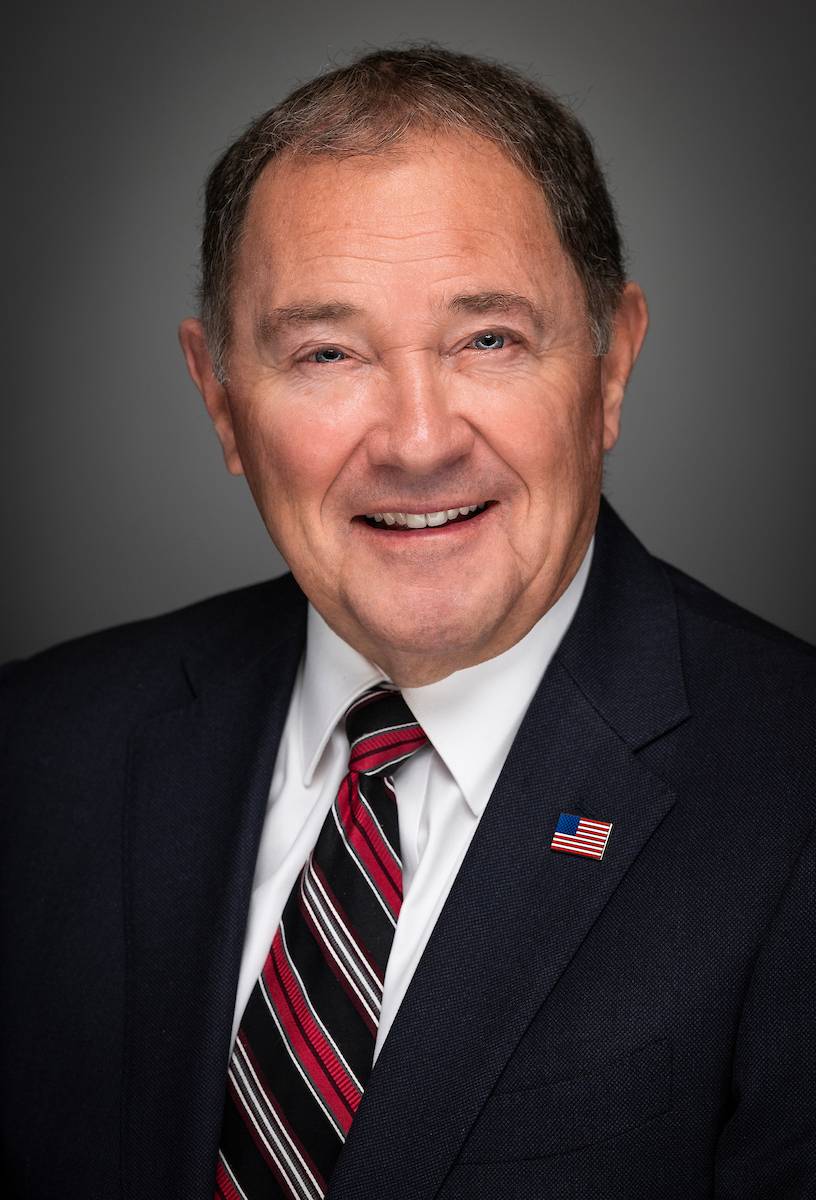
Welcome Back
Governor Gary R. Herbert
17th Governor of Utah, 2009–2021
Gary R. Herbert served as the 17th governor of Utah from 2009 to 2021 and was the nation’s longest-serving governor when he left office. During his tenure, his focus was on economic development, education, energy, and efficiency in government. Herbert has also served as chair of both the Western Governors’ Association and National Governors Association and was the president of the Council of State Governments.
Herbert has long been a strong advocate for excellence in public and higher education in Utah. He is currently dedicating his time at UVU’s Herbert Public Policy Institute. The Institute develops future policy leaders, gathers the community, and builds trust in civic institutions.
Herbert and his wife, Jeanette, live in Orem and are the proud parents of 6 children and 17 grandchildren.
Varonis & Optiv
AWS
Lincoln Hill
Spruce
ObservePoint
Members of the Privacy Commission will share current priorities, highlight near-term opportunities to establish practical privacy standards, and discuss key topics under evaluation that may shape future recommendations to the Legislature. Panelists will provide updates on ongoing research, anticipated legislative developments, and areas where governmental entities can expect additional guidance. The session will conclude with an open Q&A, giving attendees an opportunity to better understand the Commission’s direction and emerging statewide privacy initiatives.
Location: Grand Ballroom, Sorensen Center (SC)
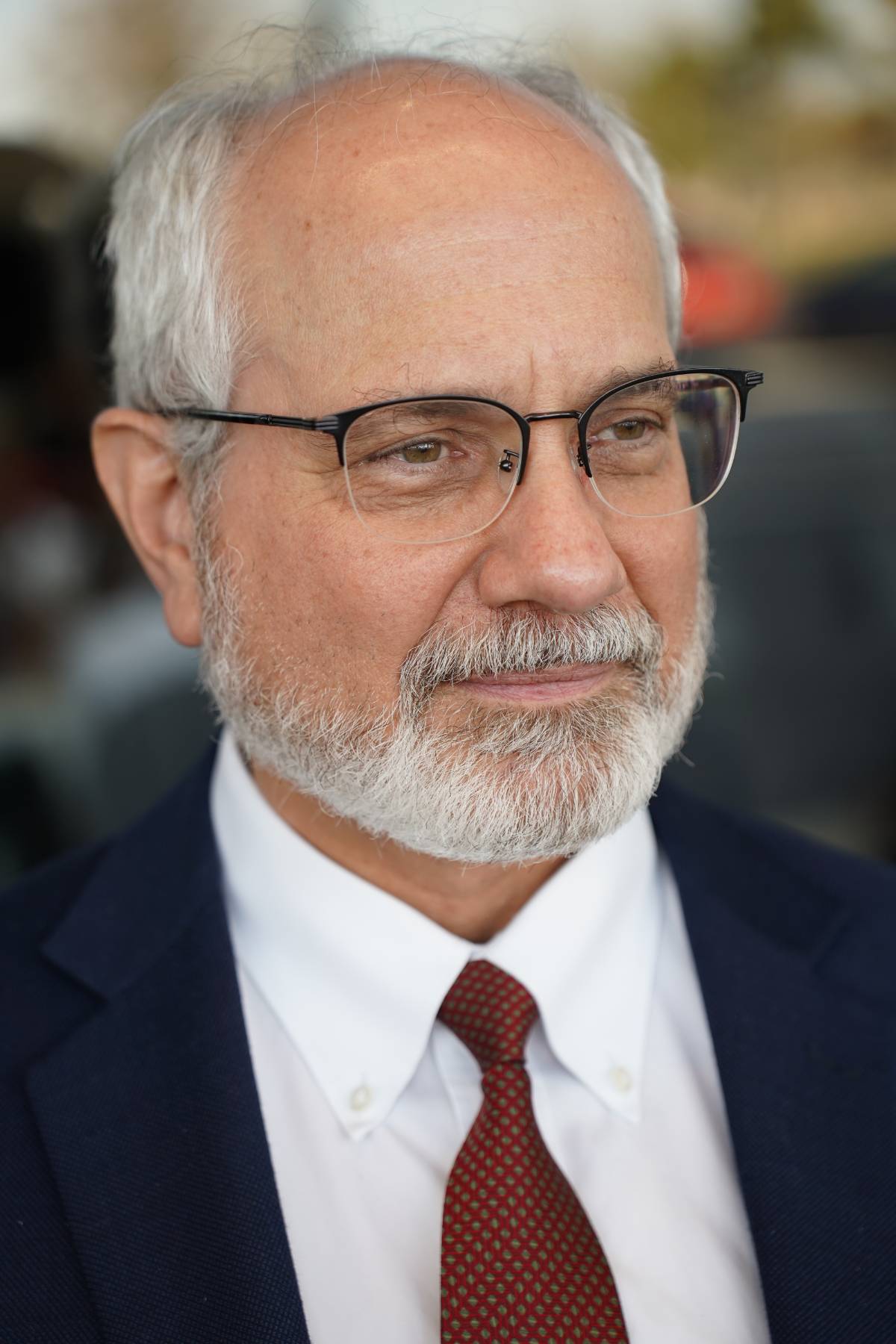
David Sonnenreich
Chair, Utah Privacy Commission
David Sonnenreich is the chair of the Utah Privacy Commission. Before he retired last December, David was the Director of the Antitrust and Data Privacy Division of the Utah Attorney General’s Office, and he continues to assist the office in specific matters in an “of counsel” role. David has represented the State of Utah in many of the nation’s largest antitrust cases and data breach settlements of the past two decades, and he has helped to draft Utah’s data privacy laws. David lectures and participates in panel discussions nationally on topics relating to either antitrust or data privacy law. His recognitions include receiving the National Association of Attorneys General’s 2025 Career Staff Award. David’s law (1986) and undergraduate (1983) degrees are from the University of Utah, and he holds IAPP CIPP/US and CIPM certifications.
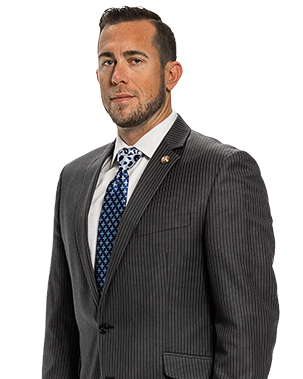
Micah Vorwaller
Deputy Chief Privacy Officer , Utah Office of Data Privacy
Micah Vorwaller is an attorney specializing in information privacy and security law, in which he has represented both private and governmental entities. He is currently the Deputy Chief Privacy Officer for the State of Utah and is working to establish comprehensive privacy laws and requirements for governmental entities in Utah to ensure that all Utahns' privacy interests are protected.

Don J. Wood
Utah Privacy Commission
At the helm of Wasatch County’s IT operations, Don’s vision for technology integration transcends mere functionality, aiming to weave it into the very fabric of the communities he serves. He is adept at using the undervalued potential of systems thinking (Deming and Ackoff), powerful modern technology platforms, and empowering teams to drive effective modern business processes, and with over three decades of experience in the public sector, his leadership has been pivotal in aligning technology initiatives with strategic county goals, ensuring resource optimization, and fostering a culture of innovation and security.
In parallel, as an adjunct professor at Southern Utah University, he extends his expertise to nurturing the next generation of public administrators. These dual roles empower him with a unique perspective, bridging practical governance with academic theory and allowing Don to contribute to building resilient, system-based organizations that elevate both public sector employees and the communities they serve.
15-minute break. Early afternoon breakouts start at 1:15 PM.
This session introduces a new approach to data governance centered on governmental entities’ core functions and the delivery of essential services. Every day governmental entities engage in numerous transactions with the public, each of which require the collection of large amounts of personal data and result in the creation of new records that must be managed. Rather than treating records management and data privacy obligations as separate duties, these models align existing practices, workflows, and systems with generally applicable data governance requirements.
Using marriage licenses as an example, attendees will explore how these models can
standardize data privacy practices such as designating record series, establishing
retention schedules, classifying records, providing privacy notices, and minimizing
the amount of personal data processed. Participants will discuss how these models
may be applied within their organizations to better align legal requirements with
day-to-day operations and support modern, scalable data governance.
Target Audience: Policymakers, executive leaders, and senior government professionals at both the state and local level who are focused on designing the future of privacy, data governance, and trusted digital services in Utah.
Location: Center Stage, Sorensen Center (SC) 108
Christopher Bramwell
Chief Privacy Officer, Utah Office of Data Privacy
Christopher Bramwell serves as Utah’s Chief Privacy Officer and Director of the Office of Data Privacy, where he leads statewide efforts to modernize governance and balance of privacy, transparency, and use of data. He helped draft and implement the Government Data Privacy Act and is building tools and frameworks to support privacy programs across all levels of government. Christopher is also a father of three, an avid runner, and is currently building a cabin in the Utah mountains.

Lana Taylor
Data Privacy Ombuds, Utah Office of Data Privacy
Lana Taylor was appointed by Governor Cox in 2024 as the Data Privacy Ombuds. Ms. Taylor serves as a resource for individuals who are concerned that their data privacy interests may have been violated or have a complaint about a governmental entity's data privacy practices. As a Court Rostered Mediator, Ms. Taylor mediates data privacy disputes between individuals and governmental entities. Before joining the Utah Office of Data Privacy, Ms. Taylor worked as an Assistant Utah Attorney General and a Deputy Salt Lake County District Attorney. Ms. Taylor received her Juris Doctorate from the S.J. Quinney College of Law and Bachelor of Science from the University of Utah.
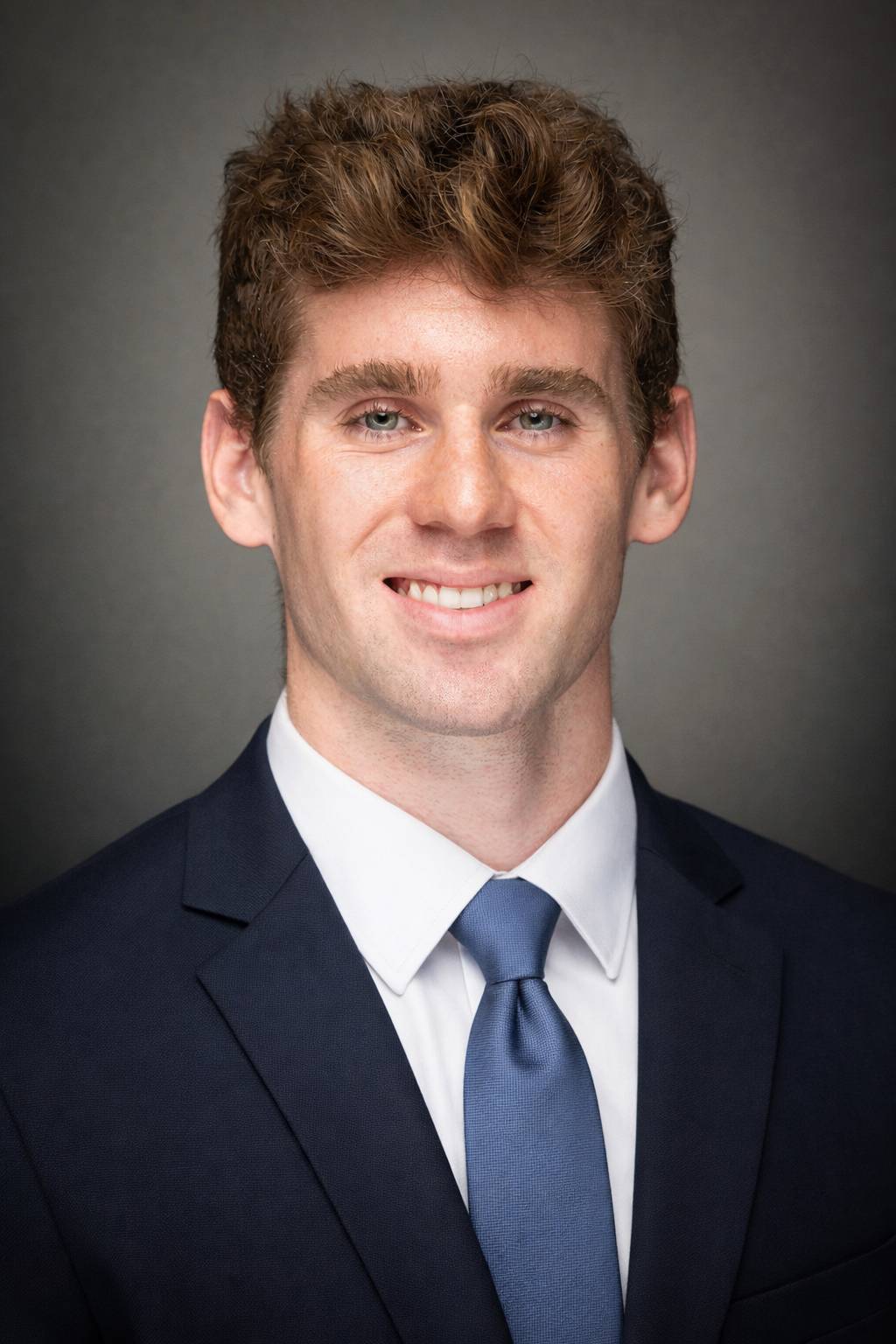
Bradley Smith
Research Assistant, Gary R. Herbert Institute for Public Policy
Bradley Smith is a Chemical Engineering student at Utah Valley University whose focus is on nuclear energy systems and their role in advancing infrastructure, policy, and emerging technologies. Bradley works with the Utah Office of Data Privacy and the Herbert Institute for Public Policy conducting data governance research designed to improve consistency and compliance. He has co-authored several white papers on data privacy practices, records management, and digital identity. Prior to this, Bradley was a mechanical engineering intern designing manufacturing systems for large-scale production of medical components and conducting research on low-cost water filtration systems. .
Government entities may face delays and legal risk when negotiating privacy and GRAMA terms with vendors individually. Some governmental entities have also indicated they may not have the purchasing power to get privacy and GRAMA requirements included in terms and conditions. Cooperative contracts provide a strategic solution by embedding standardized privacy, security, and records requirements into pre-negotiated agreements, reducing procurement time while strengthening compliance. This session will help participants understand how cooperative purchasing can streamline acquisitions, support privacy and GRAMA obligations, and enable governmental entities to work with the Division of Purchasing and General Services and the Utah Office of Data Privacy to strategically expand cooperative contracts that meet common statewide needs.
Target Audience: Executive leaders responsible for building and sustaining organizational compliance, including Chief Administrative Officers, county commissioners, mayors, city managers, and other senior leaders at the state and local level legally responsible for privacy programs.
Location: Sorensen Center (SC) 206

Windy Aphayrath
Chief Procurement Officer; Director, Division of Purchasing and General Services
Windy Aphayrath is the Chief Procurement Officer and Director for the State of Utah's Division of Purchasing and General Services. In her previous roles within the Division, her responsibilities included the State's Cooperative Contracts Program, roll-out of a contract compliance process, implementation of the eProcurement system, and establishing the Office of Contract Management Support. Prior to joining the State of Utah, Windy was a part of corporate procurement where she analyzed data, strategically sourced multiple technology commodities, and launched a supply chain regulatory compliance program. Windy is a graduate of Westminster University in Salt Lake City.

Brian Nelson
Privacy Analyst, Utah Office of Data Privacy
Brian Nelson is a Privacy Analyst with the Utah Office of Data Privacy. He loves helping people improve their privacy and data governance practices. He has spent the majority of his career in the public sector, gaining experience in areas such as data analysis, operations, finance and project management. While privacy and government records management best-practices is his primary job function by day, Brian also enjoys volunteering in various local programs and travel.

Cherilyn Hess
Assistant Director, Division of Purchasing and General Services
Cherilyn Hess is the Assistant Director for the State of Utah’s Division of Purchasing, where she has served for nine years. She oversees the statewide cooperative contracting program, managing more than 1,300 contracts that support government entities across Utah. Cherilyn is passionate about advancing public procurement through efficient, value-driven contracting and strong vendor partnerships. She also serves on the Procurement Committee with GovRAMP, contributing to broader efforts to strengthen public sector procurement practices.
This session provides an exclusive first look at the privacy maturity models the Utah Office of Data Privacy is developing to help governmental entities effectively assess and improve the maturity of their privacy practices. The discussion will focus on transitioning from initial self-assessment to developing tailored strategies and implementing specific, actionable steps designed to enhance an entity’s privacy practice maturity.
The session is designed for both leadership seeking clarity on the prioritization
of resources needed to ensure optimization and staff requiring tools and practical
guidance to operationalize meaningful privacy practice maturation. Attendees will
have an opportunity to provide feedback and input on the models’ practical application
to ensure the final tools are effective, feasible, and beneficial for governmental
entities at every privacy practice maturity level.
Target Audience: For staff implementing privacy and data governance requirements in their organizations, including privacy officers, records officers, IT staff, and other assigned support personnel.
Location: Ragan Auditorium

Shane Paul
Privacy Training Director, Utah Office of Data Privacy
Shane serves as the Training Director for the Utah Office of Data Privacy, bringing over 16 years of dedicated service to state government. Throughout his career, he has contributed to multiple departments in roles spanning training, project management, software development, and data privacy and security. Shane is a Certified Information Privacy Manager (CIPM) and a certified Scrum Master, combining a strong understanding of privacy frameworks with agile project leadership.
Beyond his professional pursuits, Shane enjoys kayaking, hosting bonsai workshops, going to yard sales, and, most importantly, spending quality time with his wife and three daughters.
Micah Vorwaller
Deputy Chief Privacy Officer, Utah Office of Data Privacy
Micah Vorwaller is an attorney specializing in information privacy and security law, in which he has represented both private and governmental entities. He is currently the Deputy Chief Privacy Officer for the State of Utah and is working to establish comprehensive privacy laws and requirements for governmental entities in Utah to ensure that all Utahns' privacy interests are protected.
Return for final breakouts at 2:30.
This panel discussion will explore the growing role of automated decision making in government and the implications for public services. As AI and automation continue to advance, many governmental entities are beginning to evaluate how these tools can be used to improve efficiency and service delivery.The panel will provide a foundational understanding of what automated decision making is, where it is already being considered or used, and the potential benefits it offers. It will also examine the risks—particularly those related to fairness, transparency, due process, and impacts on individual rights.Through panel and audience discussion, this session will consider how Utah can move forward thoughtfully—balancing efficiency and innovation with strong safeguards that protect the public and maintain trust in government systems.
Target Audience: Policymakers, executive leaders, and senior government professionals at both the state and local level who are focused on designing the future of privacy, data governance, and trusted digital services in Utah.
Location: Center Stage, Sorensen Center (SC) 108

Christian Napier
Director of AI, State of Utah Division of Technology Services
Christian Napier currently oversees AI implementation throughout state executive branch agencies. He was recently selected as an inaugural AI 50 Award recipient by the Center for Public Sector AI. Prior, Christian worked for 25 years in the major international sport event industry, with leadership roles in technology, workforce, planning, and knowledge management. He has advised multiple successful Olympic and Commonwealth Games bid cities and, since 2015, he has served as an International Olympic Committee Knowledge and Learning Advisor, helping future host cities learn lessons from previous Games editions.
Christopher Bramwell
Chief Privacy Officer, Utah Office of Data Privacy
Christopher Bramwell serves as Utah’s Chief Privacy Officer and Director of the Office of Data Privacy, where he leads statewide efforts to modernize governance and balance of privacy, transparency, and use of data. He helped draft and implement the Government Data Privacy Act and is building tools and frameworks to support privacy programs across all levels of government. Christopher is also a father of three, an avid runner, and is currently building a cabin in the Utah mountains..

Amelia Gardner
Utah County Commissioner
Amelia has over 15 years experience in the private sector working in engineering, manufacturing, and business development. She is a community leader, business consultant, disruptive technology advocate, government innovation leader, and mentor for career women.
Amelia serves on the Utah Digital Innovation and Blockchain Taskforce, the State Growth Taskforce, and on the Boards for several companies and nonprofits.
Prior to being elected as County Commissioner, Amelia served as the Utah County Clerk/Auditor, where she championed innovation and efficiency in government. Under Amelia’s leadership, Utah County launched the first ever completely online marriage license system utilizing blockchain to create the first Verifiable Digital Credential offered in the state of Utah, became the first jurisdiction in the United States allowing people with disabilities to vote using blockchain technology, and implemented paperless finance processes earning her a GovTech top 25 Doers, Dreamers, and Drivers for 2020.
Amelia grew up in Utah County, earned a BS from Weber State University, then she went to work for Caterpillar, spending time in the Midwest and southern US and Canada, before returning home to Utah County. Amelia and her Husband Tobin live in Lehi, Utah and have 6 children.
Many governmental entities are struggling with the basics of data governance. Resources are constrained, and there are not enough experienced staff to meet growing legal and operational demands. This session will introduce the concept of a shared service model, explaining how centralized or cooperative services can support multiple entities in performing essential data governance functions. Participants will discuss whether Utah should explore a shared service approach to help entities more efficiently meet their data governance obligations.
Target Audience: Executive leaders responsible for building and sustaining organizational compliance, including Chief Administrative Officers, county commissioners, mayors, city managers, and other senior leaders at the state and local level legally responsible for privacy programs.
Location: Sorensen Center (SC) 206
George McEwan
Utah Privacy Architect, Utah Office of Data Privacy
George serves as the Privacy Architect for the State of Utah within the Office of Data Privacy, leveraging extensive experience in technology and public service. Previously, he held key leadership positions, including Chief Strategy Officer for the Division of Technology Services and IT Director for the Department of Health during the pandemic. As a former Centerville City Councilman, George brings a unique blend of technical expertise and civic engagement. Beyond his professional endeavors, he is a seasoned storyteller, captivating audiences at state festivals with tales drawn from his experiences as a soldier, pilot, international traveler, and inventor.
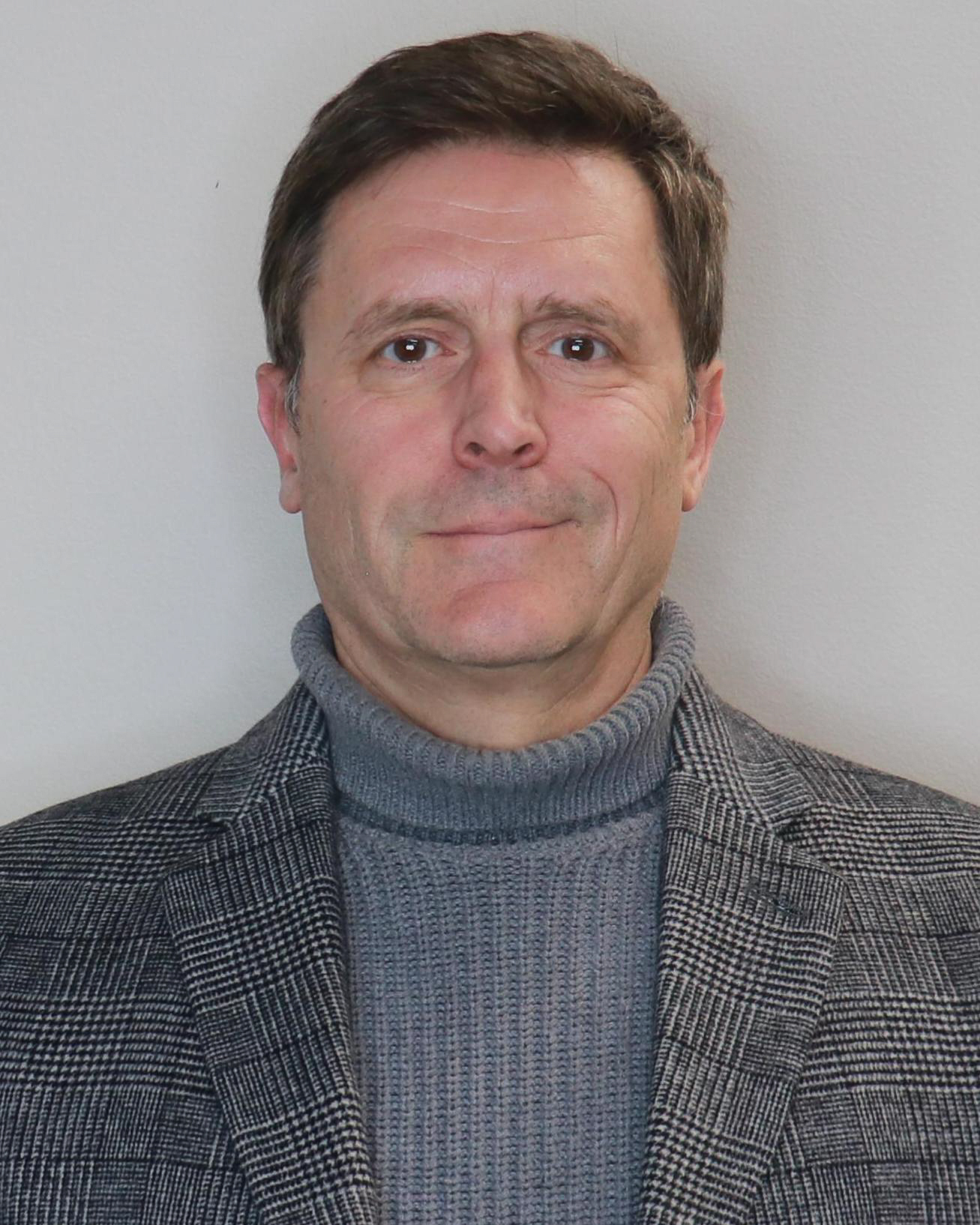
Barclay Burns
Assistant Dean, UVU Smith College of Engineering & Technology
Barclay Lincoln Burns holds PhDs in Instructional Psychology and Technology from BYU, where he researched communities of learners and the science of learning, and in Strategy and Organizational Economics from the University of Cambridge, where he focused on the neuroscience of decision-making and behaviors of health care organizations that improve patient outcomes. He is a Fellow at the Cambridge Judge Business School. Barclay founded the educational technology company Learning.com, which teaches STEM to millions of K-12 students. He previously served as a Professor of Entrepreneurship at the University of Utah. He currently sits on the board of the Utah Innovation Fund, a VC investing in technology and life sciences from Utah universities. He is a member of Utah's AI Policy Working Group. Barclay founded GenerativeImpact.AI, an advisory firm whose projects include an AI-mediated behavioral health initiative focused on belonging and connection, currently being incubated at Intermountain Health.

Katie Miner
Legislative Policy Analyst, Utah Association of Counties
Katie Miner joined the Utah Association of Counties in September 2023. A Utah State University graduate, Katie got her start in politics missing class to attend Utah State Legislative sessions and spending summers in Washington, DC with a political consulting firm. Katie returned to Utah to serve as deputy campaign manager and finance specialist for Gov. Spencer J. Cox's campaign for governor and coordinated the first inauguration in rural Utah before joining the state as Public Information Officer in the Governor's Office of Planning and Budget.
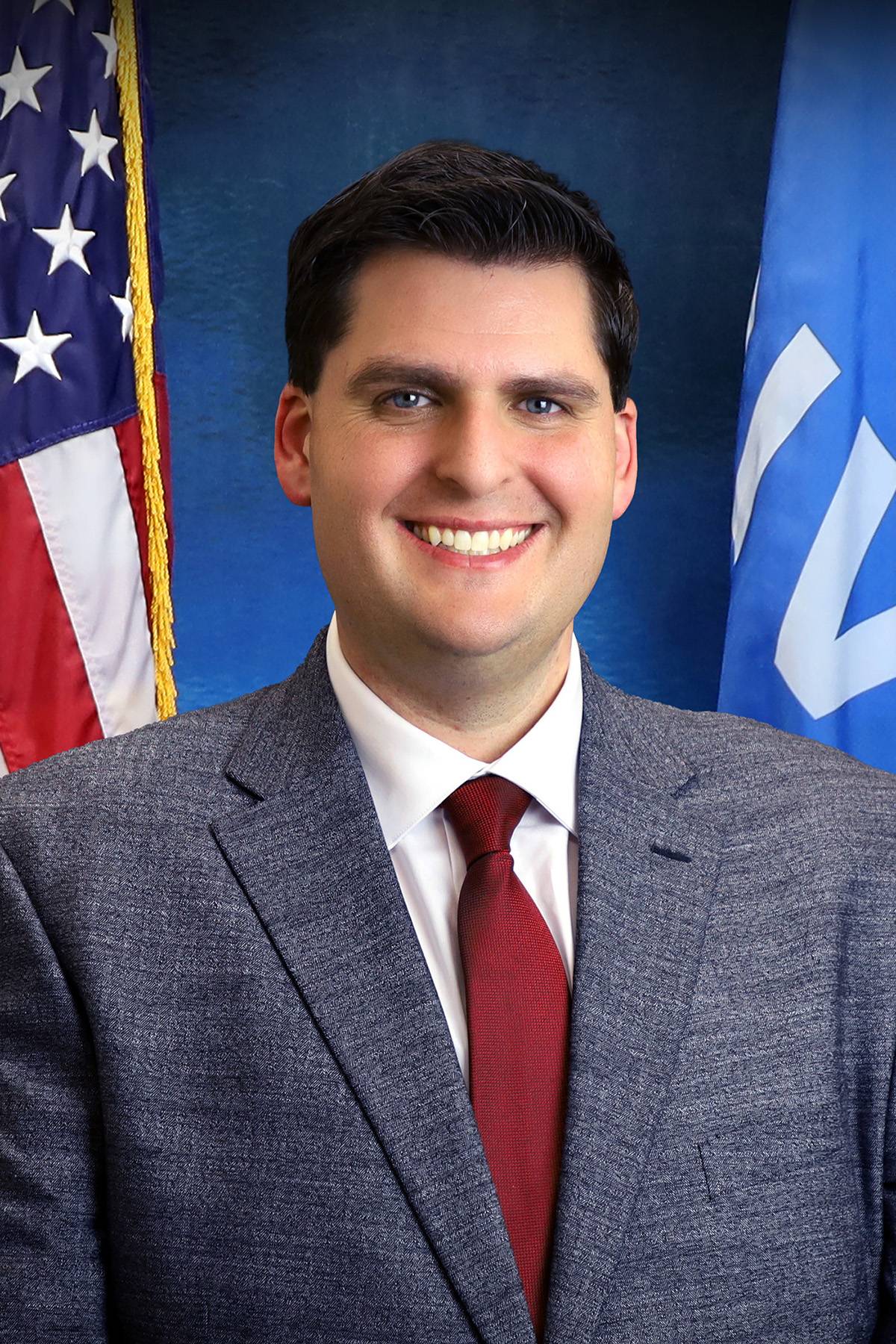
Andy Pierucci
Riverton City Council Member
Andy Pierucci is a Riverton City Councilman and experienced public affairs and technology policy leader with more than a decade of experience in government, industry, and higher education. He currently serves in external affairs in the telecommunications industry and has previously led government relations and public strategy for organizations in aerospace, infrastructure, energy, and agriculture. Andy is an adjunct professor at Utah Valley University’s Center for National Security Studies, where he teaches courses on emerging technology and public policy. He also serves on the National League of Cities’ AI and Emerging Technology Task Force, working nationally on responsible innovation and data governance.
Once you have identified your privacy obligations and established your governance structures, the next challenge is deciding which practice to tackle first. This session moves beyond the "compliance checklist" to strategic prioritization for the coming year. We’ll share a simple, step-by-step method to evaluate risks based on data sensitivity and citizen impact, then show you how to balance those priorities against your actual time and resources. You’ll leave with a clear, defensible roadmap that ensures you’re always focused on the tasks that matter most, turning a mountain of mandates into a manageable game plan.
Target Audience: For staff implementing privacy and data governance requirements in their organizations, including privacy officers, records officers, IT staff, and other assigned support personnel.
Location: Ragan Auditorium, Sorensen Center (SC) 107 (Enter from the second fllor)
Jodi Shegrud
Director of Privacy, Utah Department of Government Operations
Jodi Shegrud is the Director of Privacy for the Utah Department of Government Operations, where she leads privacy, records management, and data governance initiatives. Her work is dedicated to transforming complex legal mandates into practical, scalable governance processes that support innovation, reduce risk, and foster public trust.
With a background in the private sector implementing programs aligned with ISO, NIST, and HITRUST frameworks, Jodi brings a pragmatic, "ROI-focused" lens to state government. She holds a Master of Legal Studies in Privacy Law and Cybersecurity Policy, is a Certified Information Governance Officer (CIGO), and maintains the IAPP CIPM, CIPT, AIGP, and CIPP/US certifications.
Jodi is dedicated to helping organizations move past compliance checklists to build defensible, resource-aligned roadmaps for data privacy.

Stephen Cannon
Chief Information Security Officer, City of Orem
Stephen Cannon is the Information Security Officer for the City of Orem, where he leads the city’s cybersecurity program, data privacy initiatives, and technology governance, risk, and compliance efforts. With a career in government IT spanning back to 2007, Stephen brings a practical, real-world perspective to securing public sector environments.
He holds a master’s degree in cybersecurity and is a Certified Information Privacy Manager (CIPM). In his role, Stephen regularly bridges the gap between executive leadership and technical teams, helping translate complex security and privacy requirements into actionable strategies. He also serves as the Local Agency Security Officer (LASO) for the city’s Criminal Justice Agencies, ensuring compliance with CJIS security standards.
Stephen focuses on making security and privacy programs manageable and effective, helping organizations prioritize what matters most and turn regulatory complexity into clear, defensible action.
Summit Concludes until 2027.
|
|
|
|
|
|

