April 7th
April 8th
April 9th
Session: The Herculaneum Papyri: The World’s Most Ancient Library Part 1
Speaker: Fabrizio Diozzi, Former Director of the Officina dei Papiri Ercolanesi Marcello Gigante – Biblioteca Nazionale di Napoli
Session: The Herculaneum Papyri: The World’s Most Ancient Library Part 2
Speaker: Fabrizio Diozzi, Former Director of the Officina dei Papiri Ercolanesi Marcello Gigante – Biblioteca Nazionale di Napoli
Session: The Scroll of Philodemus De Stoicis through New Methods of Reconstruction
Speaker: Maria Chiara Robustelli, Researcher in Papyrology, University of Naples Federico II
Over four days at Utah Valley University, leading international scholars will explore how AI, advanced imaging, and computational analysis are revealing texts sealed for nearly two thousand years.
Through keynote lectures, interdisciplinary panels, student seminars, and a rare exhibition of the Herculaneum papyri, this conference offers a historic opportunity to witness how AI and the humanities are working together to recover one of the greatest lost libraries of antiquity.
In 79 CE, Mount Vesuvius buried the Roman town of Herculaneum beneath volcanic ash and debris. Unlike nearby Pompeii, the intense heat at Herculaneum carbonized and preserved hundreds of handwritten papyrus scrolls rather than destroying them.
For centuries, these fragile papyri resisted every attempt to be opened. To unroll them was to destroy them. The texts remained sealed, unreadable, and beyond human reach.
Today, using advanced imaging, artificial intelligence, and computational analysis, scholars can peer inside these scrolls without breaking them open, detect ink, trace letters, and reconstruct passages hidden for nearly two thousand years.
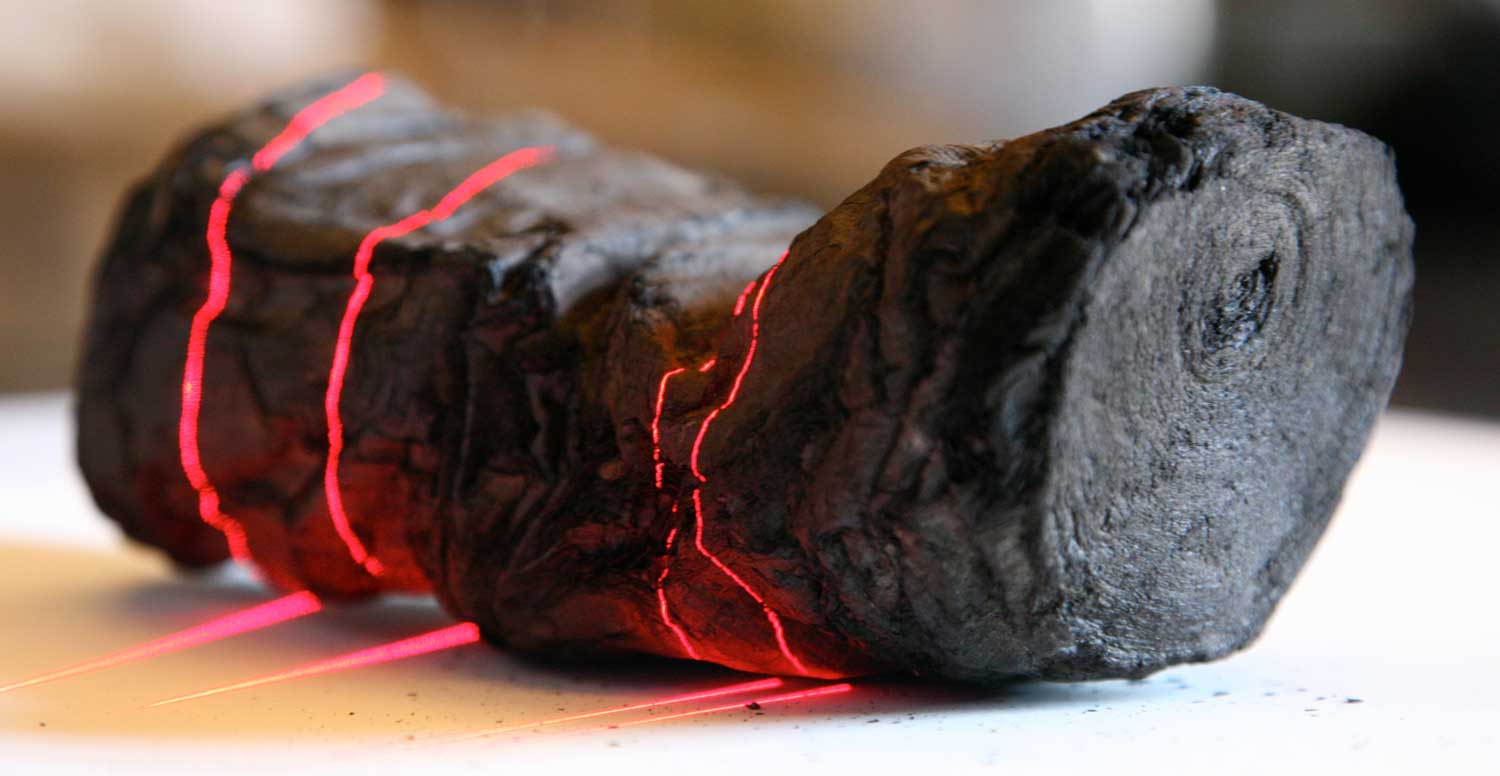
For nearly two thousand years, the Herculaneum scrolls remained sealed by volcanic ash. Now, four original carbonized papyri will be on display at UVU. Exhibited publicly only once before in the United States, these rare artifacts offer a historic opportunity to encounter one of the ancient world’s most extraordinary libraries.
The conference and scroll exhibition are free to attend with registration.
Free parking will be available for conference attendees on Lot L9.
Conference attendees will check in at the Clarke Building (CB), on the first floor, just outside of room 101.
Please note: Security screening and bag checks will be required for entry.
Registered conference attendees will be provided with breakfast at 8 am, and afternoon refreshments at 3:50 pm.
Food will be located in CB 101.
Food Trucks will also be available in front of the library, in the parking lot next to the CB Building:
For further questions about the conference, please contact [email protected].
This historic gathering is made possible through the generous support of our partners. We gratefully recognize their commitment to advancing scholarship, education, and discovery.

