We are excited to host members of the Vesuvius Challenge Team, the Vesuvius Challenge Papyrology Team, and other experts in AI, Archeology, and Papyrology.
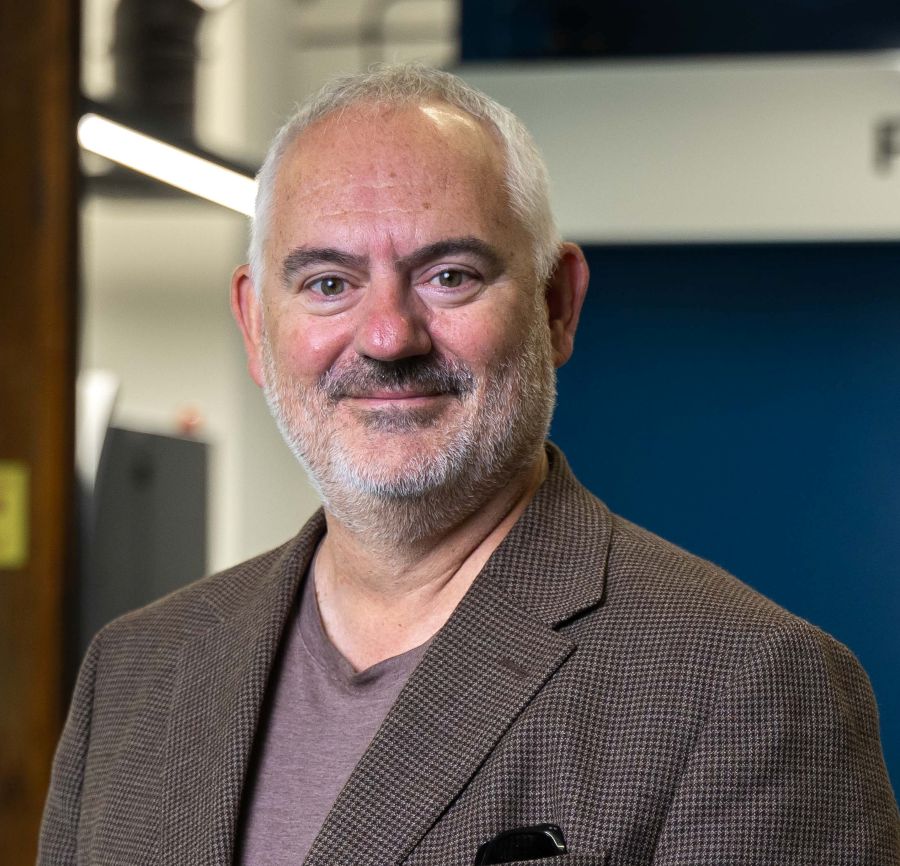
Brent Seales is a pioneer in the use of artificial intelligence for the digital restoration of damaged historical materials. He leads EduceLab at the University of Kentucky, where his team develops technologies to virtually “unwrap” and read fragile texts, including the Herculaneum and Dead Sea Scrolls. He is co-founder of the Vesuvius Challenge, an international effort that has enabled the first substantial readings from still-sealed Herculaneum scrolls. His work has transformed what is possible in the study of ancient texts, demonstrating how AI and interdisciplinary collaboration can recover writings long thought lost.
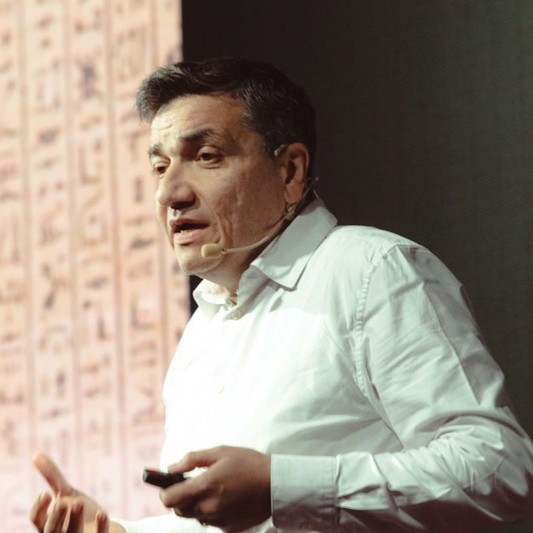
Gianluca Del Mastro represents the Università della Campania ‘Luigi Vanvitelli’ and is a member of the Vesuvius Challenge Papyrology Team.
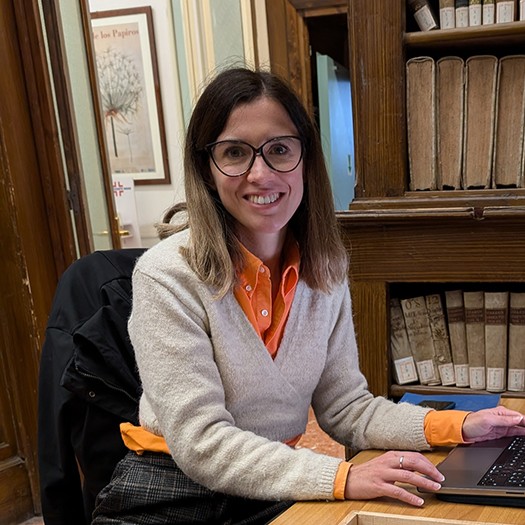
Federica Nicolardi specializes in the Herculaneum papyri, with expertise in critical editions, imaging, and virtual reconstruction. She contributes to major international projects on digital restoration and serves as lead papyrologist for the Vesuvius Challenge. Nicolardi is also Corresponding Principal Investigator of the ERC Synergy project UnLost, advancing new methods for reconstructing ancient texts through digital technologies.
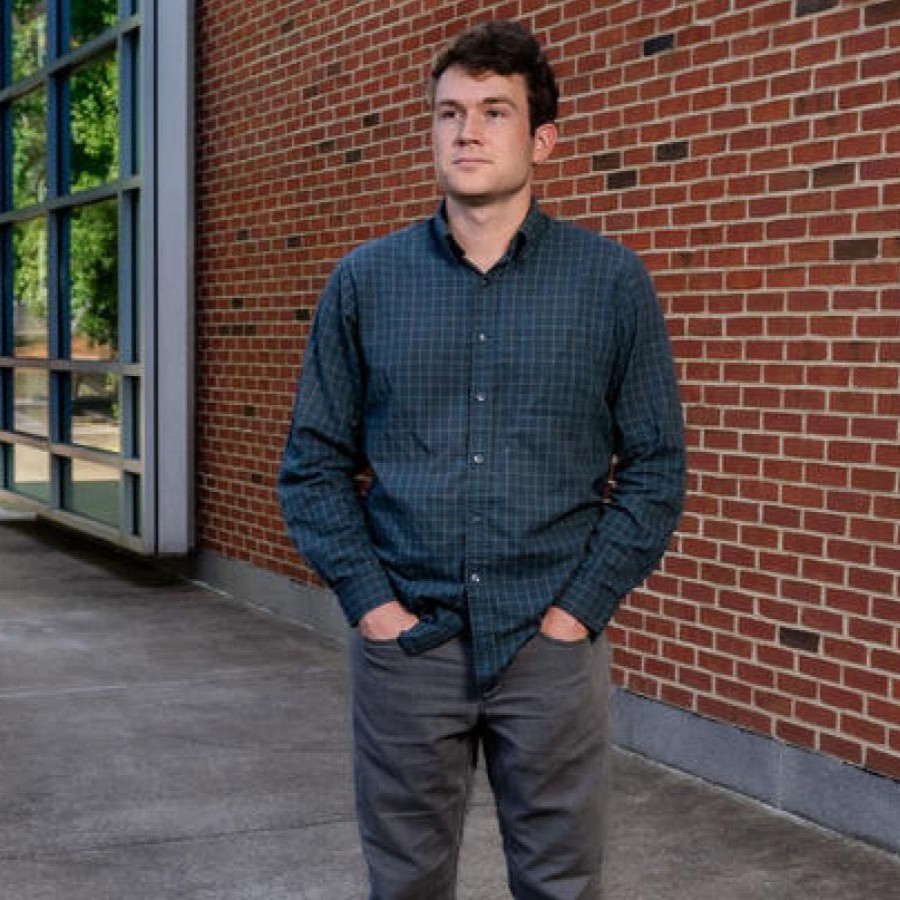
Stephen Parsons is the project lead of the Vesuvius Challenge and a member of the Vesuvivus Challenge Team.
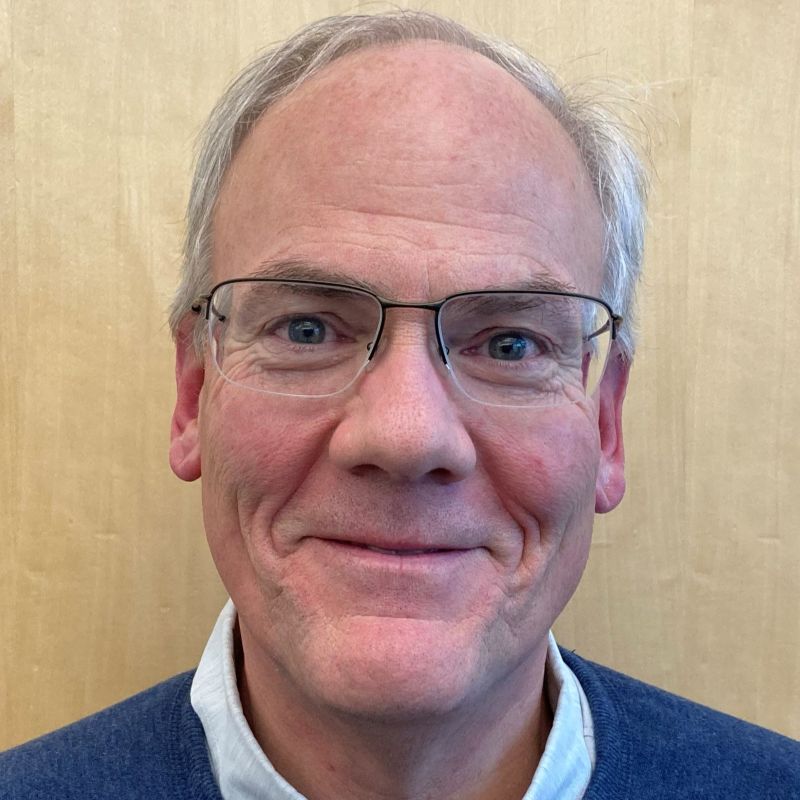
Roger T. Macfarlane is Professor of Classical Studies at Brigham Young University, and a member of the Board of Directors for the American Friends of Herculaneum.
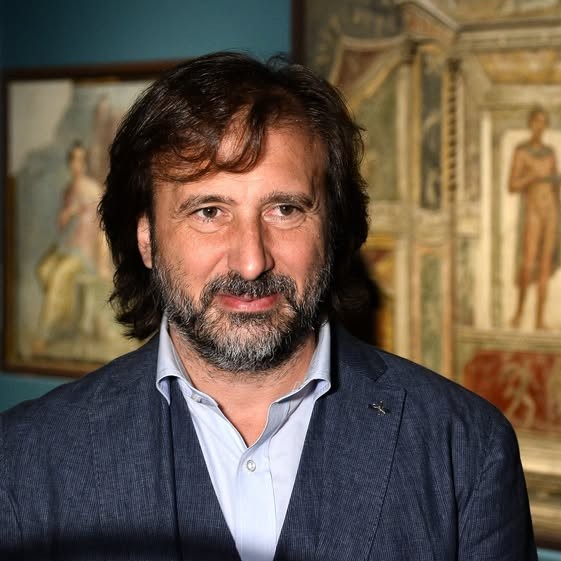
Mario Grimaldi is an archaeologist with extensive experience excavating sites across Italy, including Pompeii and the Villa of the Papyri at Herculaneum. He currently directs excavation projects in Pompeii and serves as a consultant to the Soprintendenza Archeologica. His work connects archaeological field research with the historical context of the Herculaneum library and its preservation.
Silvia Scipioni, PhD, Ministero della Cultura, Dirigente della Biblioteca Nazionale di Napoli, "Vittorio Emanuele III".
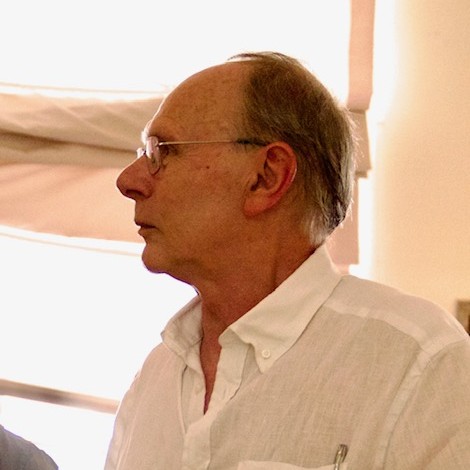
Fabrizio Diozzi is the former head of the Officina dei Papiri Ercolanesi.
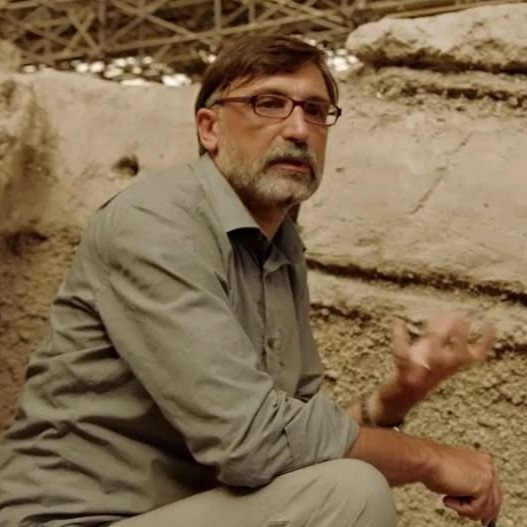
Claudio Scarpati studies explosive volcanism, with a focus on the eruption of Mount Vesuvius in 79 CE. His research combines geological and archaeological evidence to reconstruct the events that led to the destruction of Pompeii and Herculaneum. His work contributes to understanding how volcanic processes preserved the Herculaneum papyri and continues to inform hazard assessment in densely populated volcanic regions.
Marzia D’Angelo specializes in the study and reconstruction of the Herculaneum papyri, with a focus on their material structure and philosophical content. Her work centers on Epicurean texts, including the first critical edition of a previously unknown theological work by Philodemus. She is Principal Investigator of the LACUNA project, which integrates AI and natural language processing into the reconstruction and interpretation of ancient texts.
Alessia Lavorante represents the Department of Papyrology at Federico II University.
Mariacristina Fimiani focuses on the Herculaneum papyri, with particular emphasis on Philodemus’ De rhetorica. Her work includes critical editions of Epicurean texts and the study of paratextual features within the papyri. She also researches the intellectual history of Herculaneum papyrology, including archival work on early scholars and their contributions to the field.
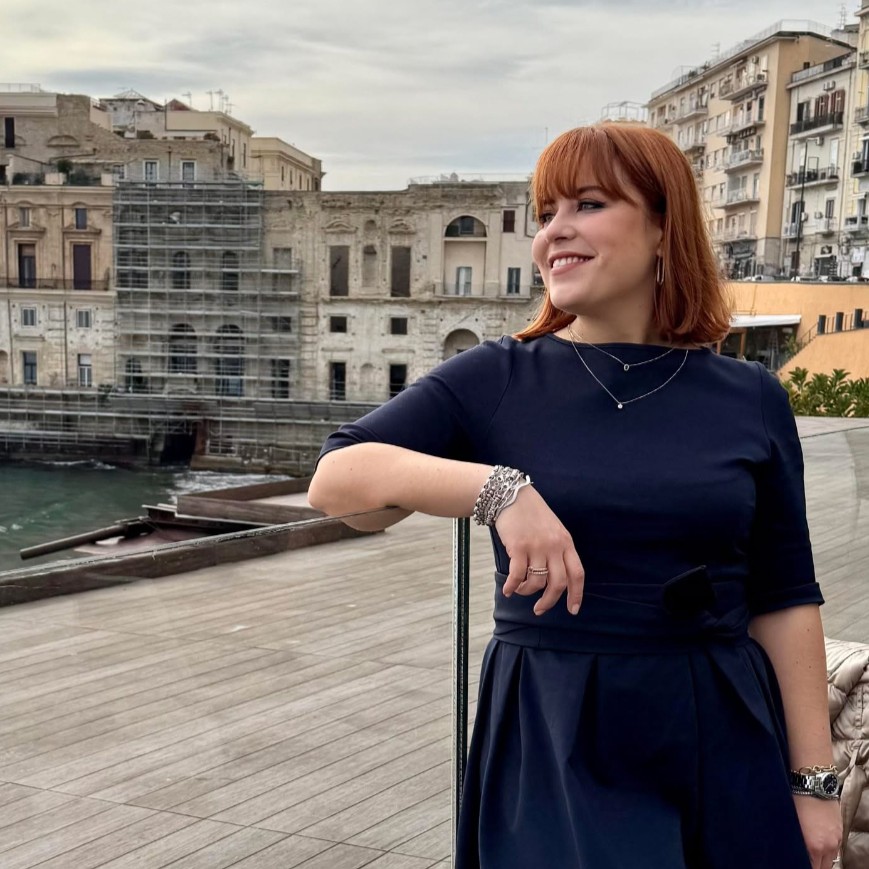
Rosella Villa represents the Department of Papyrology at Federico II University.
Maria Chiara Robustelli represents the Department of Papyrology at Federico II University.
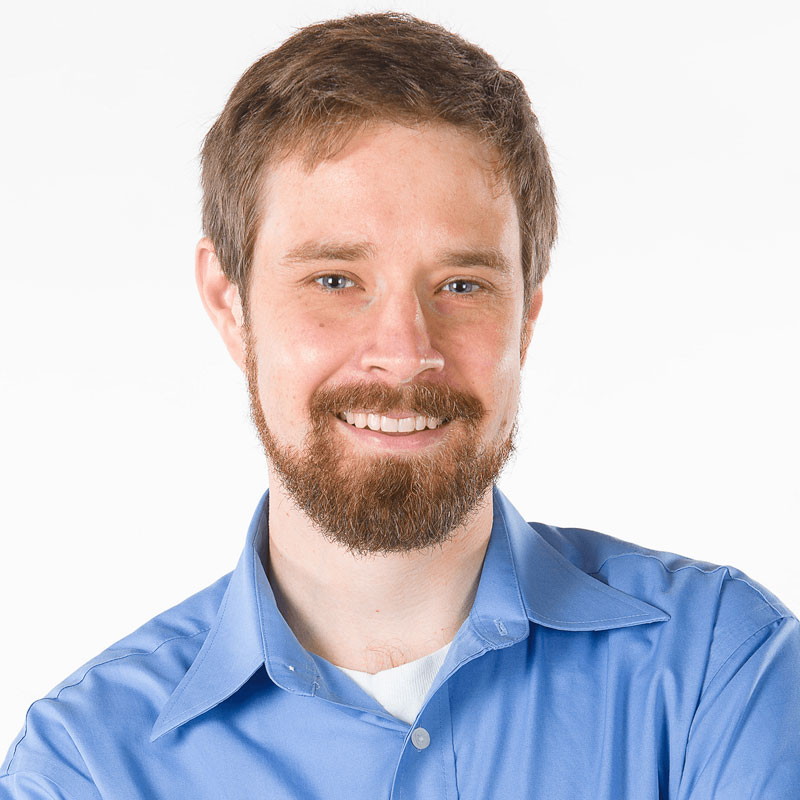
Seth Parker is a research professor at the University of Kentucky.
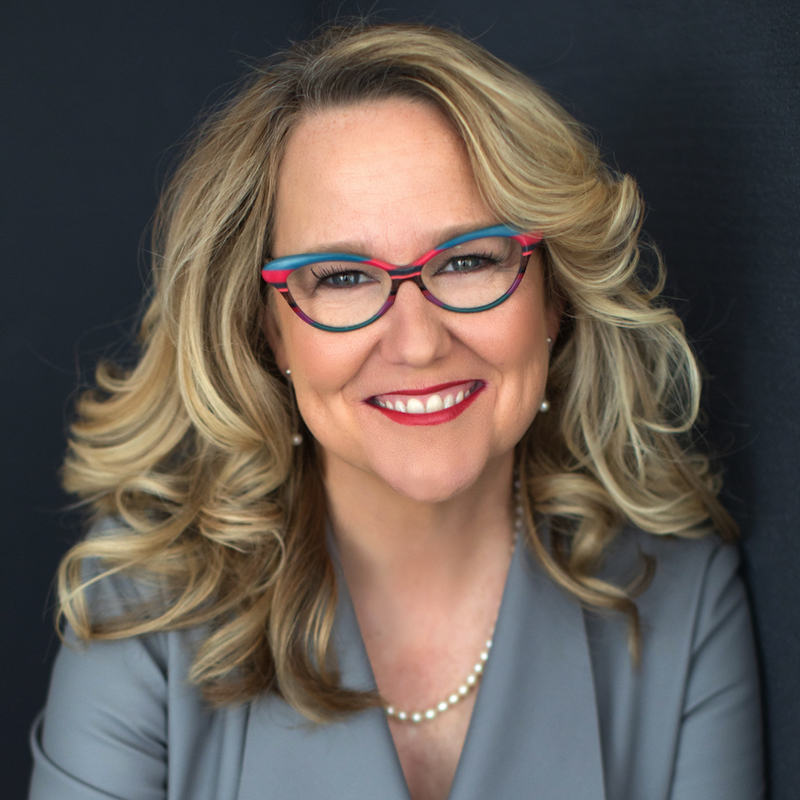
Christy Chapman specializes in digital restoration and interdisciplinary research using artificial intelligence. She works with the Seales Research Group and co-founded EduceLab, contributing to major projects including the virtual unwrapping of the En Gedi scroll and the Herculaneum papyri. She also helps lead the Vesuvius Challenge, where AI tools have enabled the first substantial readings from still-sealed Herculaneum scrolls.
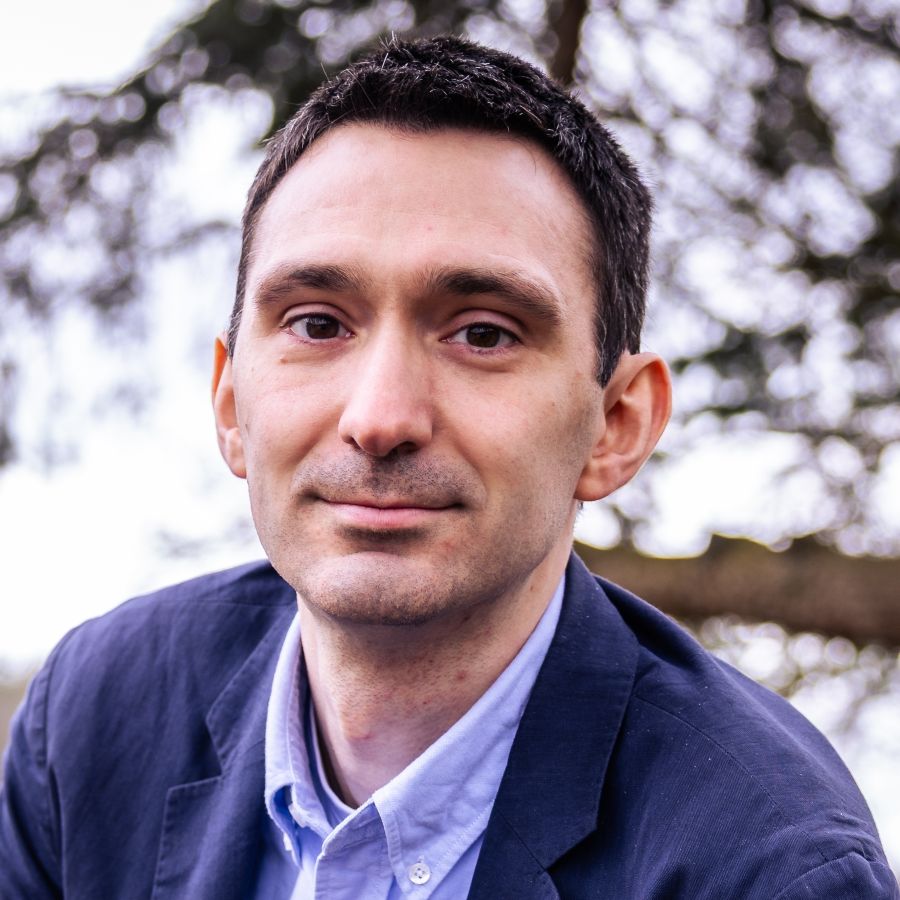
Robert Makin’s research spans machine learning, artificial intelligence, and materials science, with applications in imaging and data analysis. His work includes applying machine learning techniques to the study and reconstruction of the Herculaneum papyri. He teaches courses in AI and computational methods, contributing to interdisciplinary approaches in digital text recovery.
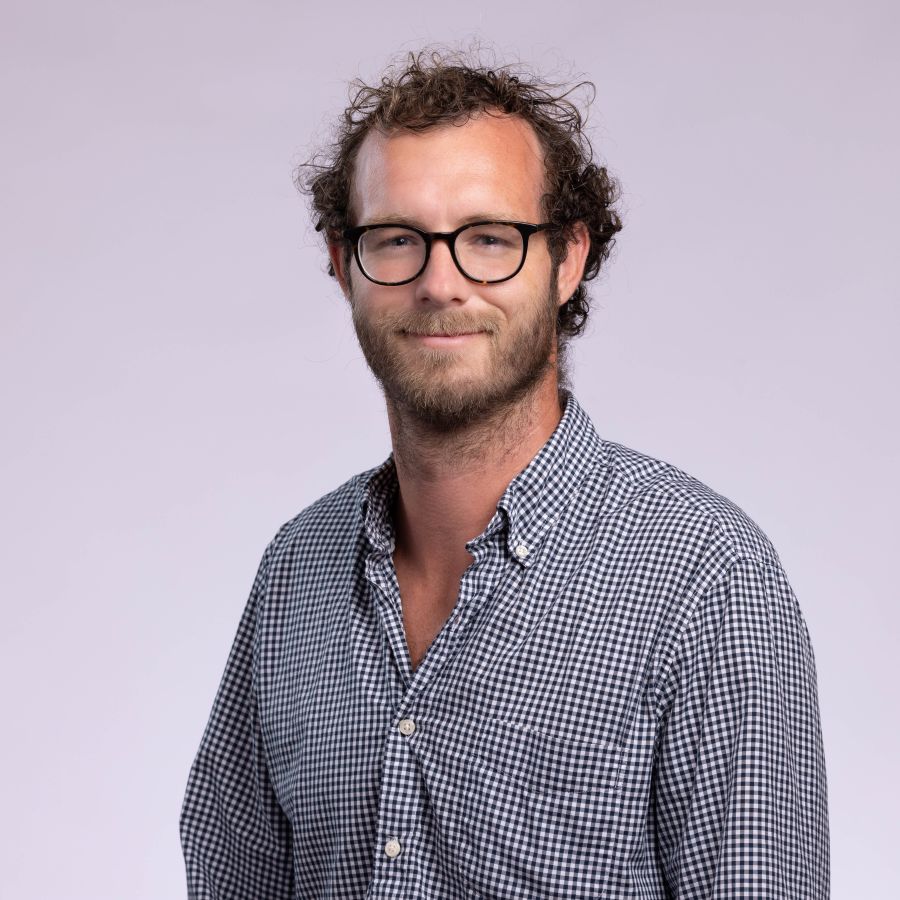
Justin Barney studies the intersection of philosophy and religion in the ancient world. His work includes research on Platonic thought and religious practice, as well as collaborative projects developing digital methods for reconstructing the Herculaneum papyri. He is currently writing a book on Plato and co-editing a volume on ritual efficacy, contributing to interdisciplinary approaches in classical studies and digital humanities.
Sean Johnson is a machine learning researcher for Vesuvius Challenge and a former contestant. Sean was on a runner-up team for the 2023 grand prize and received an award for autosegmentation with Hendrik Schillinger in 2024. His focus is primarily on applied machine learning in virtual unwrapping and ink detection.
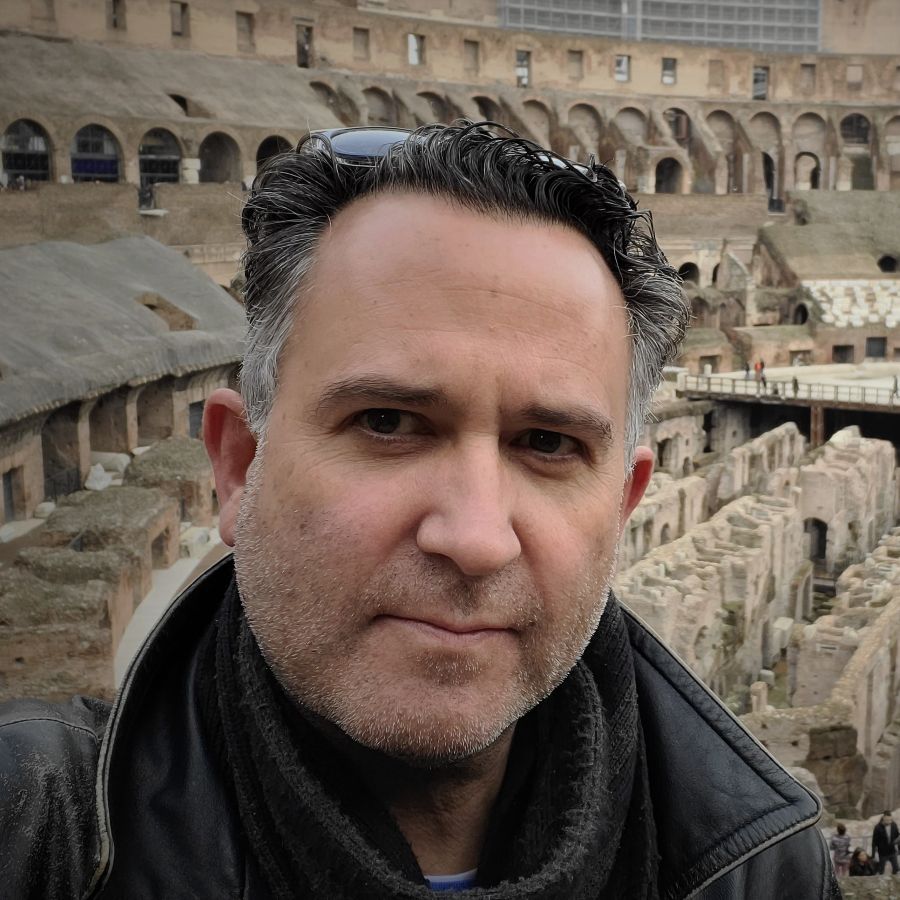
James Brusuelas represents the Classics department at the University of Kentucky.
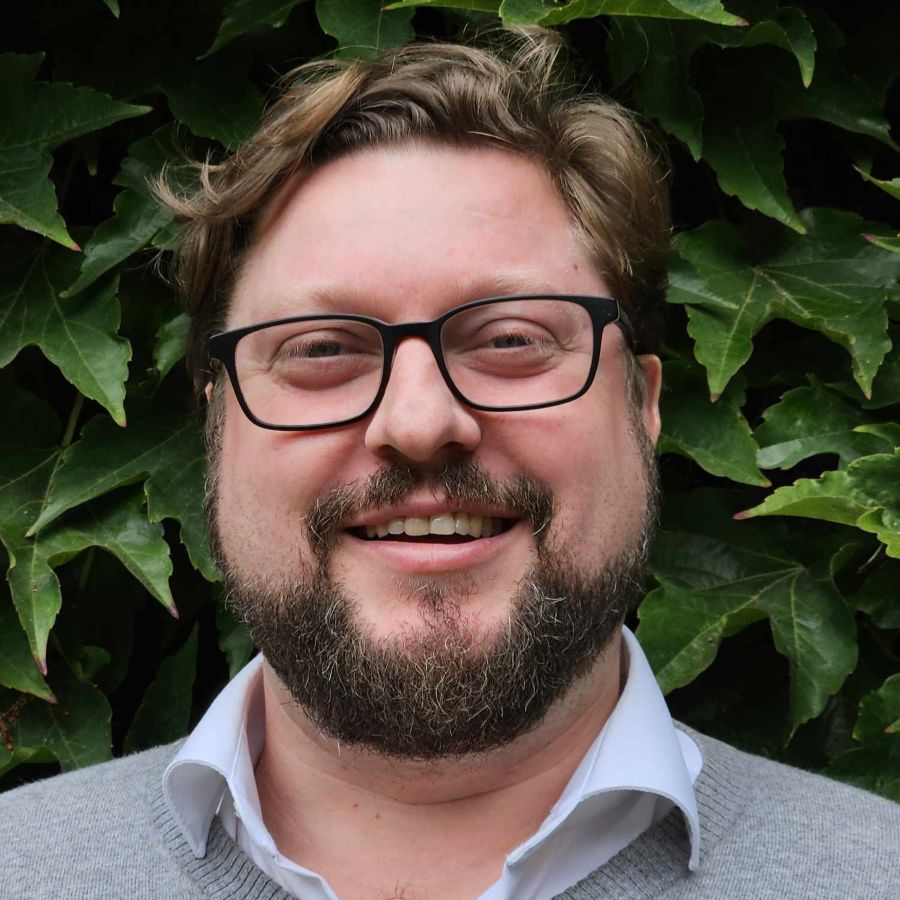
Michael McOsker is a papyrologist and historian of ancient philosophy whose work focuses on Epicurean texts and Greek literary style. He has published extensively on Philodemus, including On the Good Poem and On Anger. His research contributes to the study and reconstruction of ancient philosophical texts preserved in papyri, including those from Herculaneum.
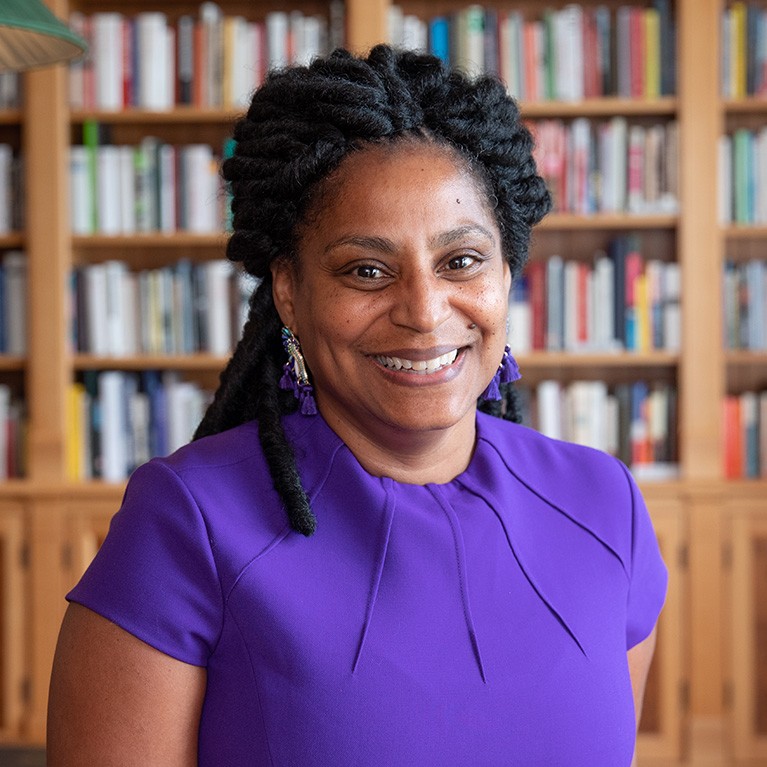
Jackie Murray represents the Classics department in SUNY at Buffalo.
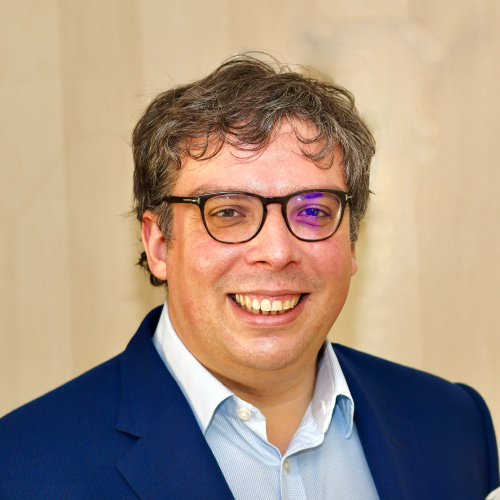
Thomas Coward’s research focuses on Greek poetry, fragmentary texts, and intellectual history. He has held fellowships and teaching positions across Europe and the United States, including at King’s College London and Ca’ Foscari University. His current work includes an edition of the Hesiodic Catalogue of Women and ongoing research on Philodemus’ On Piety, contributing to the study of fragmentary texts and Herculaneum papyri.
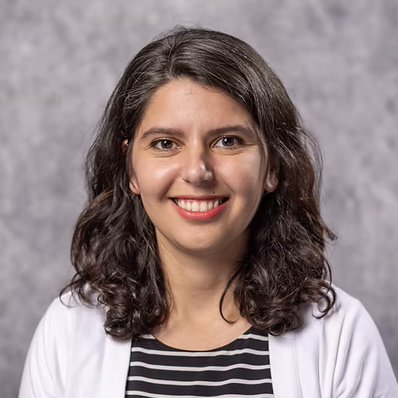
Lydia Barry specializes in ancient philosophy, with a focus on Platonic thought and pre-Socratic poetry. Her work explores the philosophical implications of relativism and its impact on democratic systems. She teaches courses in ethics, feminist philosophy, and the history of philosophy, and is currently completing a monograph on Plato’s Protagoras.
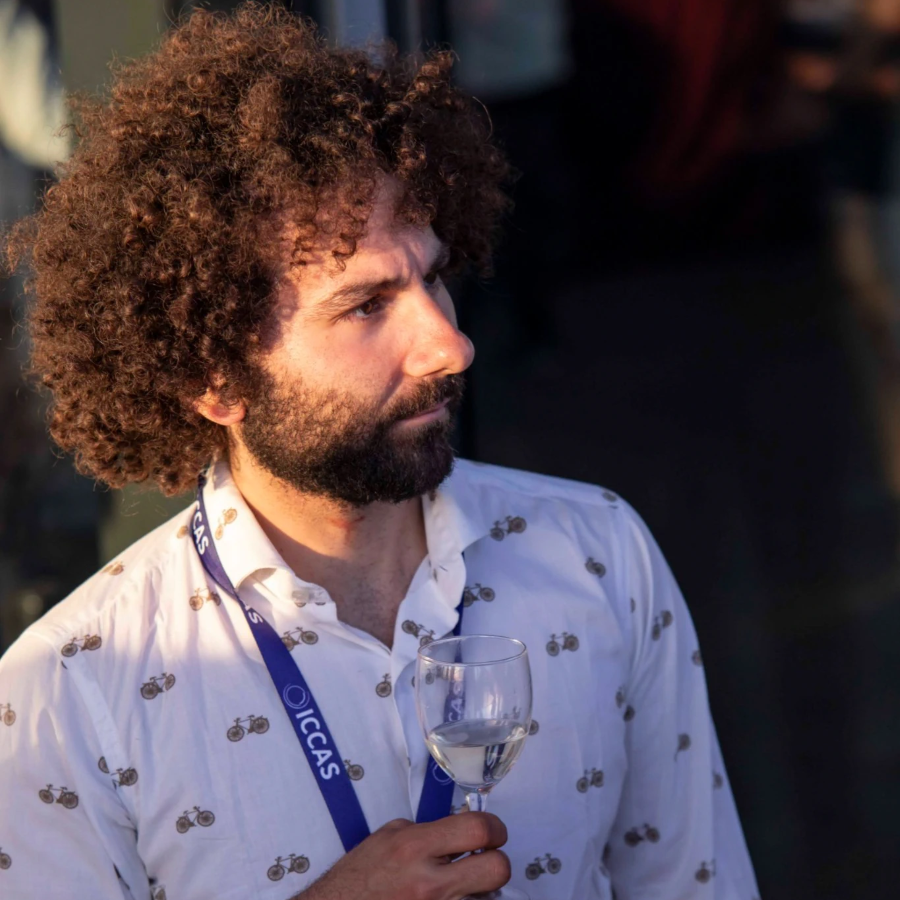
Giorgio Angelotti leads the Vesuvius Challenge, an open-source initiative focused on deciphering the Herculaneum papyri using machine learning. He holds a PhD in Artificial Intelligence from ISAE-Supaero and degrees in theoretical physics from Sorbonne Université and Politecnico di Torino. His research focuses on reinforcement learning, computer vision, and explainable AI, with applications in recovering ancient texts from carbonized scrolls.
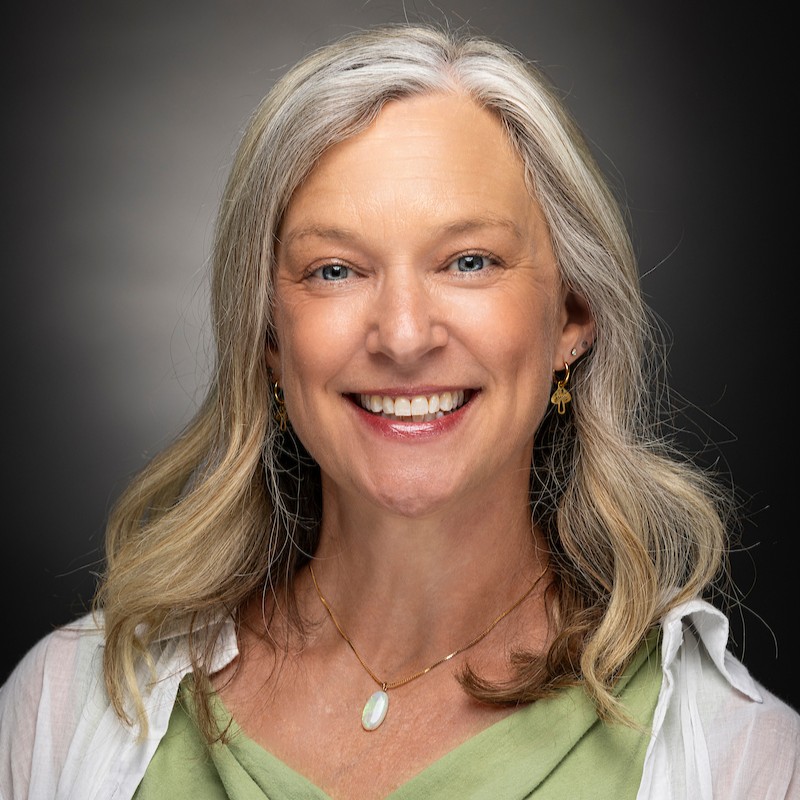
Shannon Mussett specializes in French existentialism, German idealism, feminist theory, and philosophy and literature. Her work engages major philosophical traditions that shape how texts are interpreted, including the writings of Simone de Beauvoir and Hegel. She is the author of Entropic Philosophy: Chaos, Breakdown, and Creation and has published extensively on existentialism and the history of philosophy. At UVU, she teaches courses in phenomenology, ethics, and European philosophy, contributing to the broader humanities context in which ancient texts like the Herculaneum papyri are studied and understood.
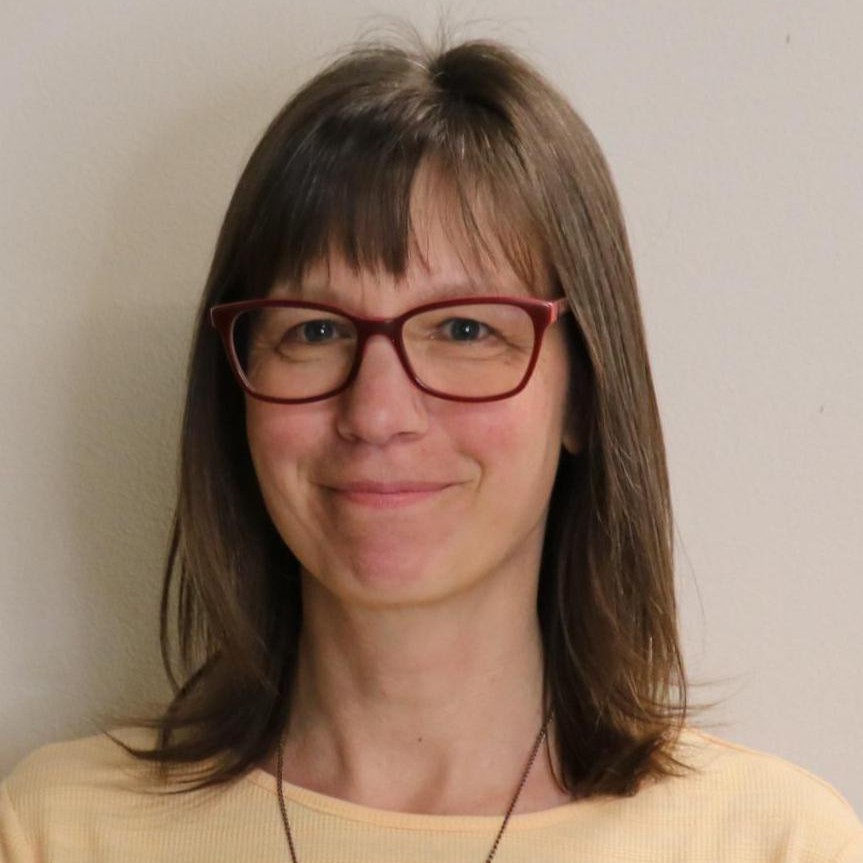
Chris Weigel is a Professor of Philosophy and of Integrated Studies at Utah Valley University. She specializes in philosophy of mind, moral psychology, and philosophy of disability.

