General Education Curriculum Overview

The Honors Program has two entry points: Early Entry, under 40 credits of earned college coursework, or Advanced Entry, over 40 credits of earned college coursework. Students who enter the program as a Freshman will complete three General Education courses in Honors. These courses can be identified in the class schedule by the letter "H" in the fourth position of the course number (PHIL 2050H for example). Students who enter the program as a Junior, do not have General Education requirements. Honors core classes carry the HONR prefix. Courses may change each semester based on student needs and departmental resources. Students will meet with the Honors Advisor to determine the best coursework path.

       Honors Colloquium Overview

Ancient and Modern Legacies Overview

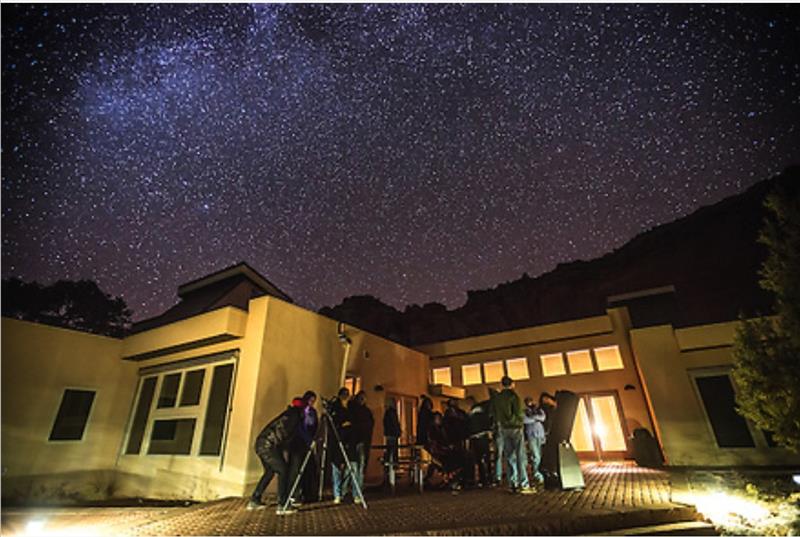
A required course in the UVU Honors Program curriculum, Colloquium engages students in a series of intellectually and culturally enriching events both on and off campus. These include lectures, theatrical and musical performances, daylong and overnight outdoor education trips, as well as service and research activities. Students must attend the once-weekly class regularly, attend all required events, at least three optional events they select during the sign-up week, and participate in a research group/service project of their choosing.

All students entering the Honors Program are required to take 2 OR 3 semesters of Honors Colloquium (HONR 1000R), depending on the students' entry point. Early Entry students (having earned fewer than 40 credits) are required to take Colloquium 3 times in their first two years. Advanced Entry students entering the Program (having earned 40 credits or more) are required to take Colloquium twice in their first year. Our main objectives are:

  • Introduce students to excellence in cultural expression in Utah
  • Develop an appreciation for a multiplicity of cultural expressions
  • Foster an intellectually-engaged community among UVU Honors students
HONR 2000 (Ancient Legacies) and HONR 2100 (Modern Legacies) form the backbone of the Honors Core. Taken by incoming Honors students in their first two semesters in the program, Legacies courses connect students with their peers in the Honors Program and prepare them for the intellectual habits and skills that will help them graduate with Honors. Legacies courses qualify as elective GE credit for all degree programs and Ancient Legacies satisfies Humanities (HH) credit.
 

Honors Interdisciplinary Seminar Overview

Topics may be drawn from any academic discipline, including but not limited to business, technology and computing, education, fine and performing arts, physical and biological sciences, health science, humanities, and social sciences. Specific content determined by faculty. Consists of rigorous analysis and synthesis of innovative, current, or special topics. May include lab or performance requirement. May be repeated for a maximum of 12 credits toward graduation.

Course Descriptions

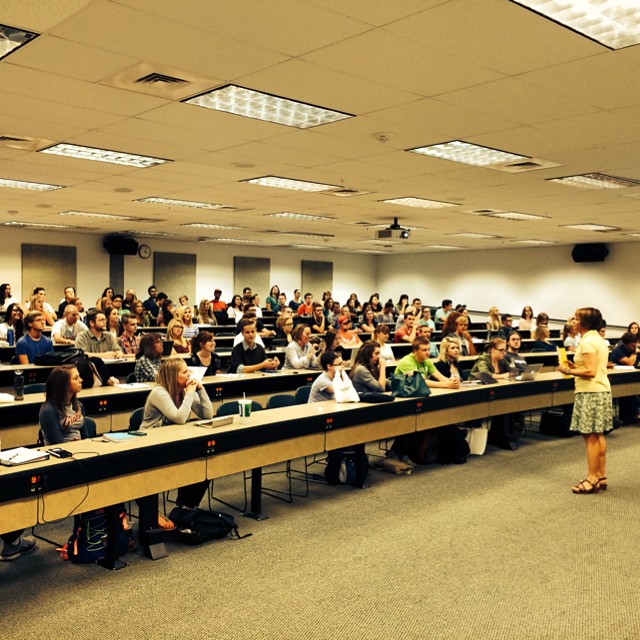
colloquium class
Colloquium
Browse the Colloquium course options to compare instructors and themes for the upcoming semester.
ancient legacies
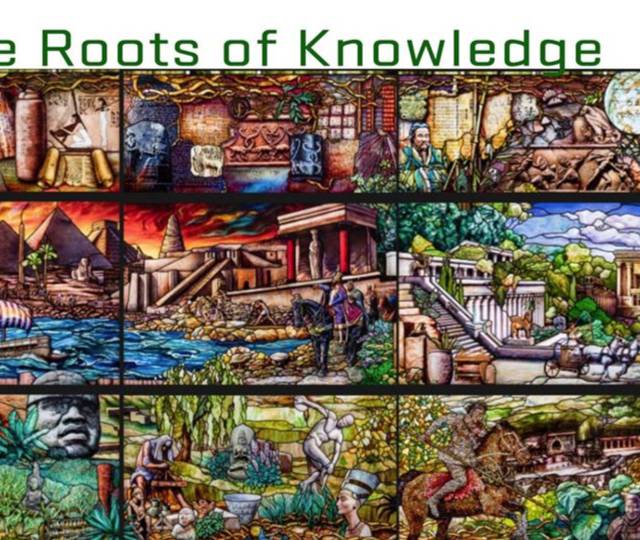
Ancient Legacies
Review the Ancient Legacies offerings to see the different instructors and topic focuses.
modern legacies
Modern Legacies
Look through the Modern Legacies course options to explore each instructor’s theme.
capitol reef
Independent Study
Check our Independent Research/Study opportunities to understand available mentors and project directions.