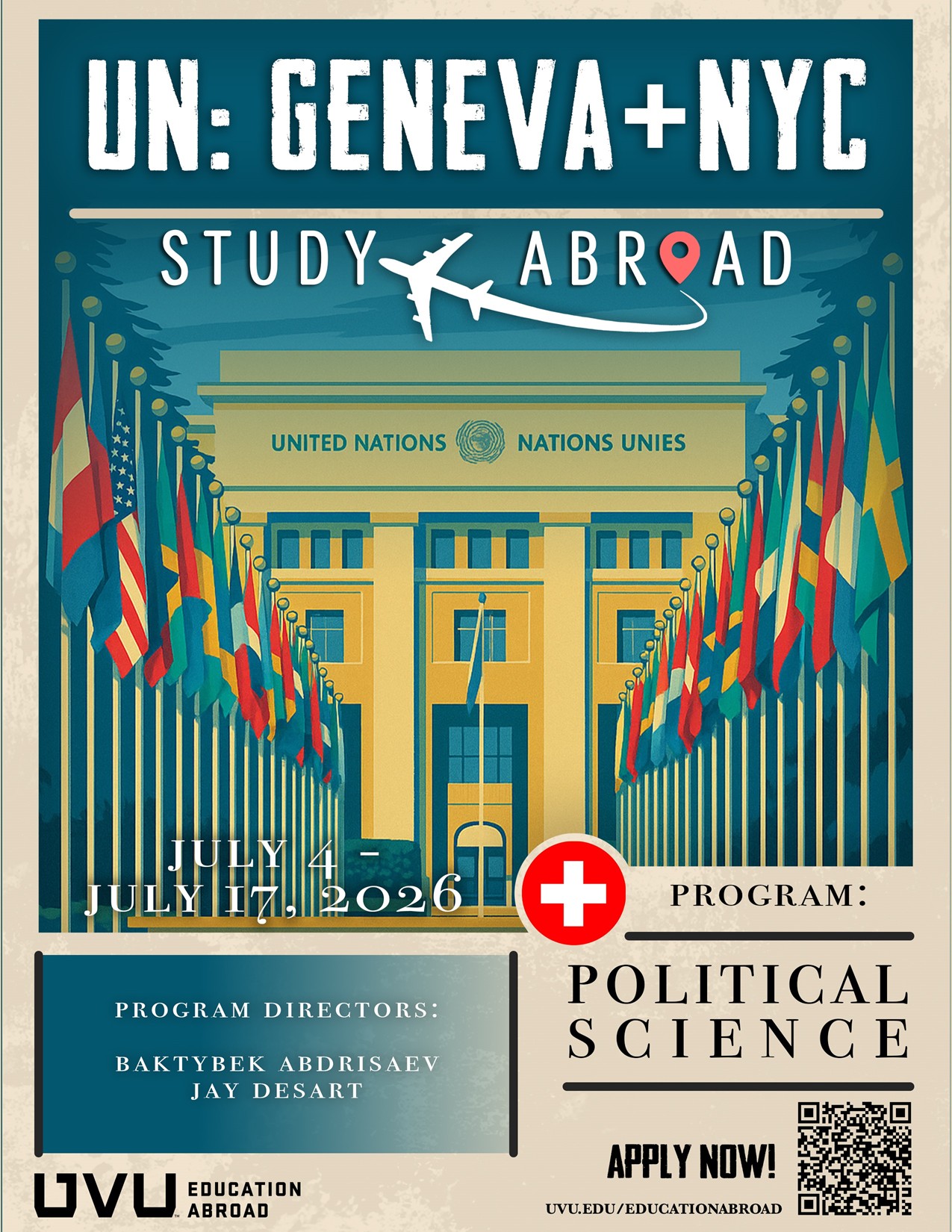
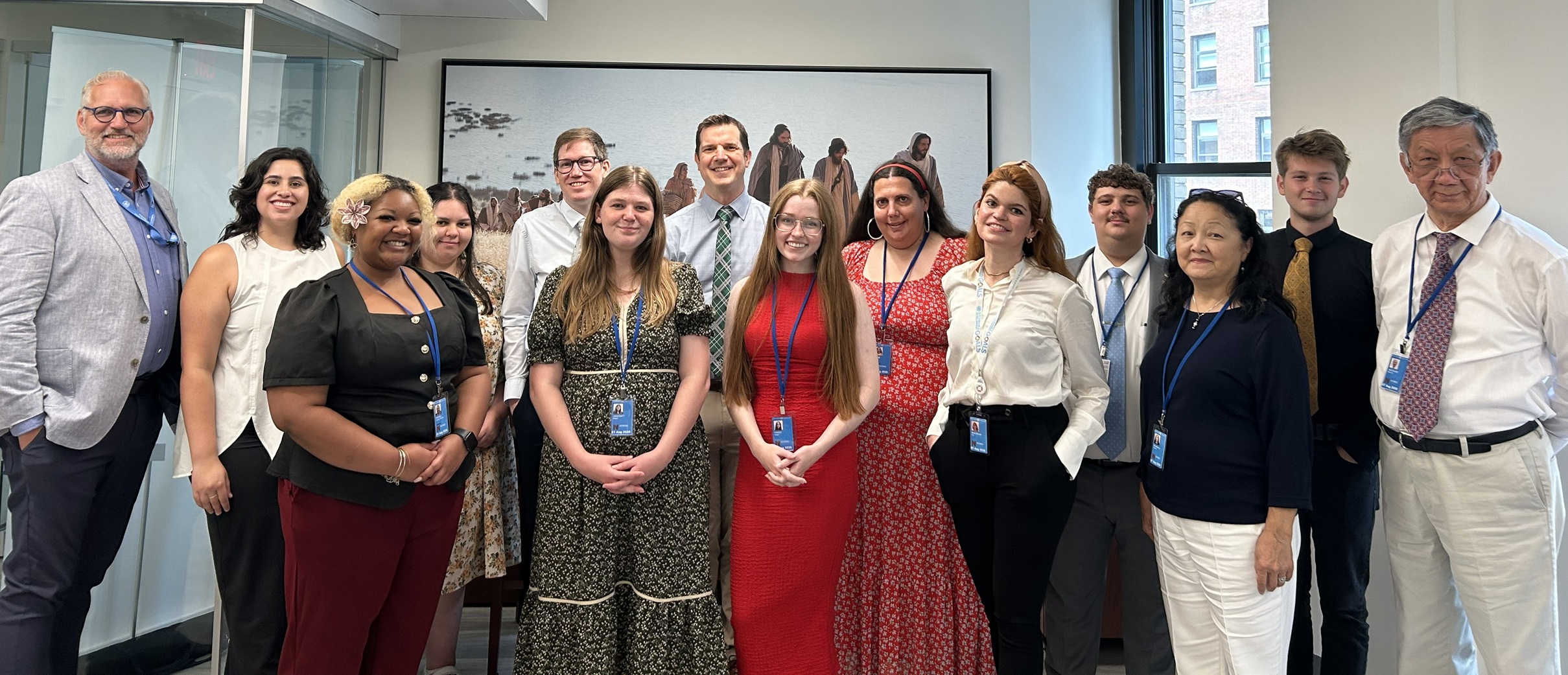
From July 4th to July 16th, 2026, Utah Valley University (UVU) students traveled to Geneva, Switzerland, and
New York City for a United Nations-focused study abroad centered on diplomacy, sustainable
development, international cooperation, and Student-Engaged Learning (SEL).
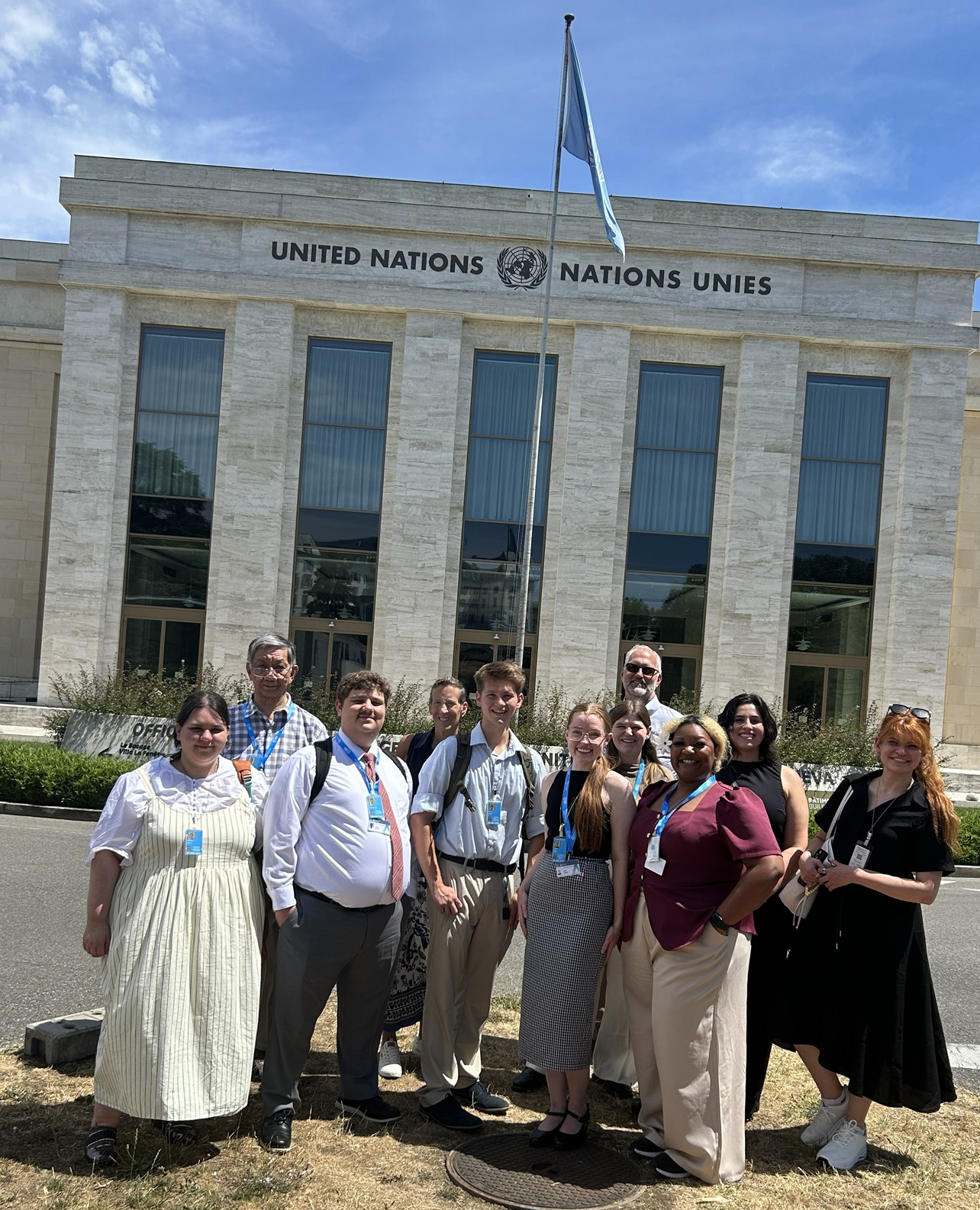
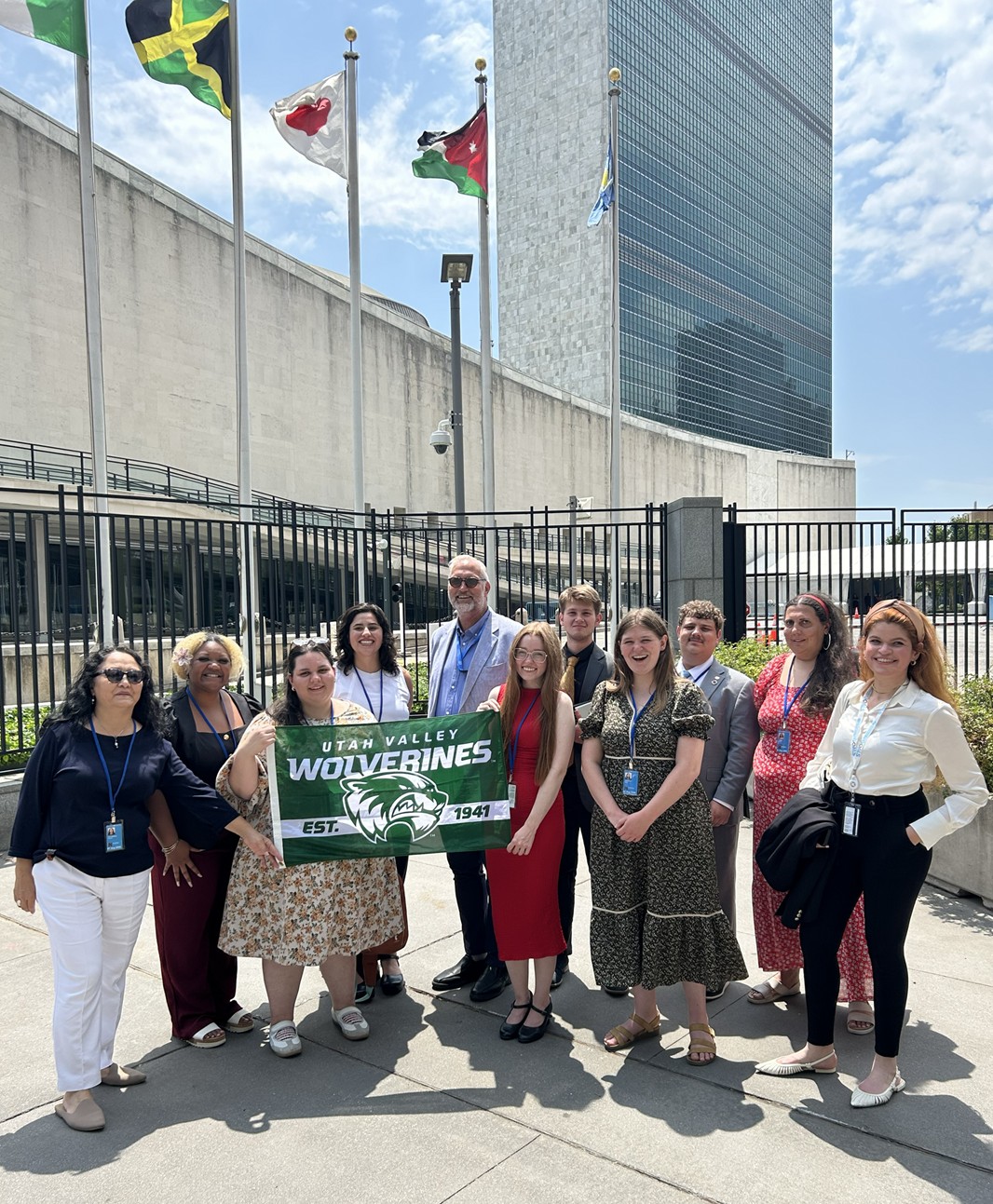
The trip commemorated the 20th anniversary since the UVU joined the United Nations
Mountain Partnership and worked together with academic institutions from the Kyrgyz
Republic on the promotion of sustainable mountain development (SMD) elsewhere. Throughout
the program, students engaged with different bodies of the United Nations , diplomats,
humanitarian professionals, Rotarians, researchers, and students from other countries
while representing UVU and the Utah International Mountain Forum (UIMF), a coalition
of student clubs at UVU. Since founding in 2011, the UIMF advocates for SMD as a
student-centric educational initiative. Students also demonstrated the SEL model,
which encourages students to work together to solve world problems through advocacy,
research, and engaging with the United Nations, with a faculty mentor assisting them.
The experience gave students opportunities to connect classroom learning with international
institutions and real-world issues. Students attended conferences and side events,
participated in research presentations, asked questions of international professionals,
developed new relationships, and learned how global issues such as trade, public health,
artificial intelligence, humanitarian assistance, Indigenous rights, and environmental
sustainability intersect. The following synopsis provides an overview of the delegation’s
activities and leaves room for additional details from faculty and other student participants.
July 4–6, 2026 | The Journey to Geneva
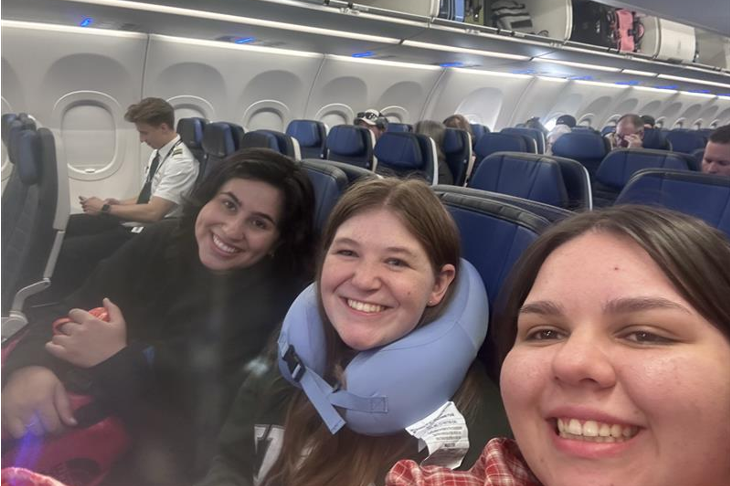
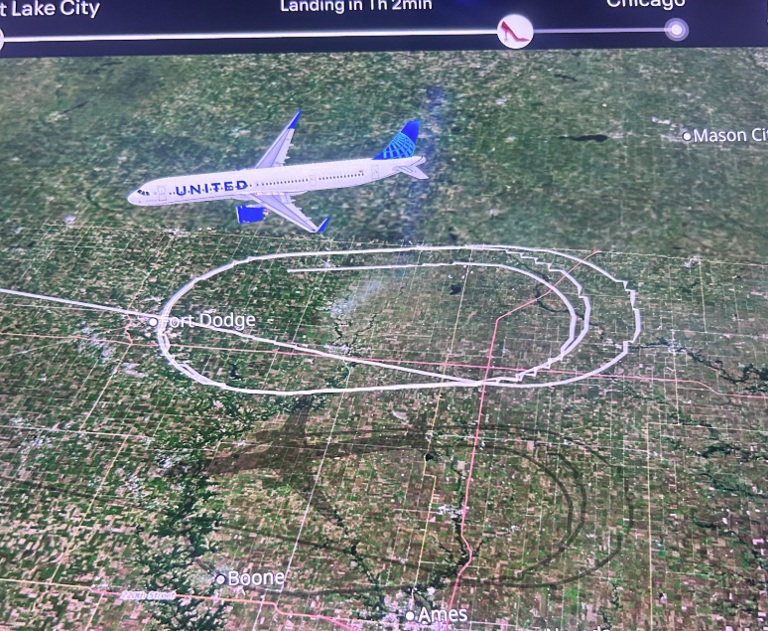
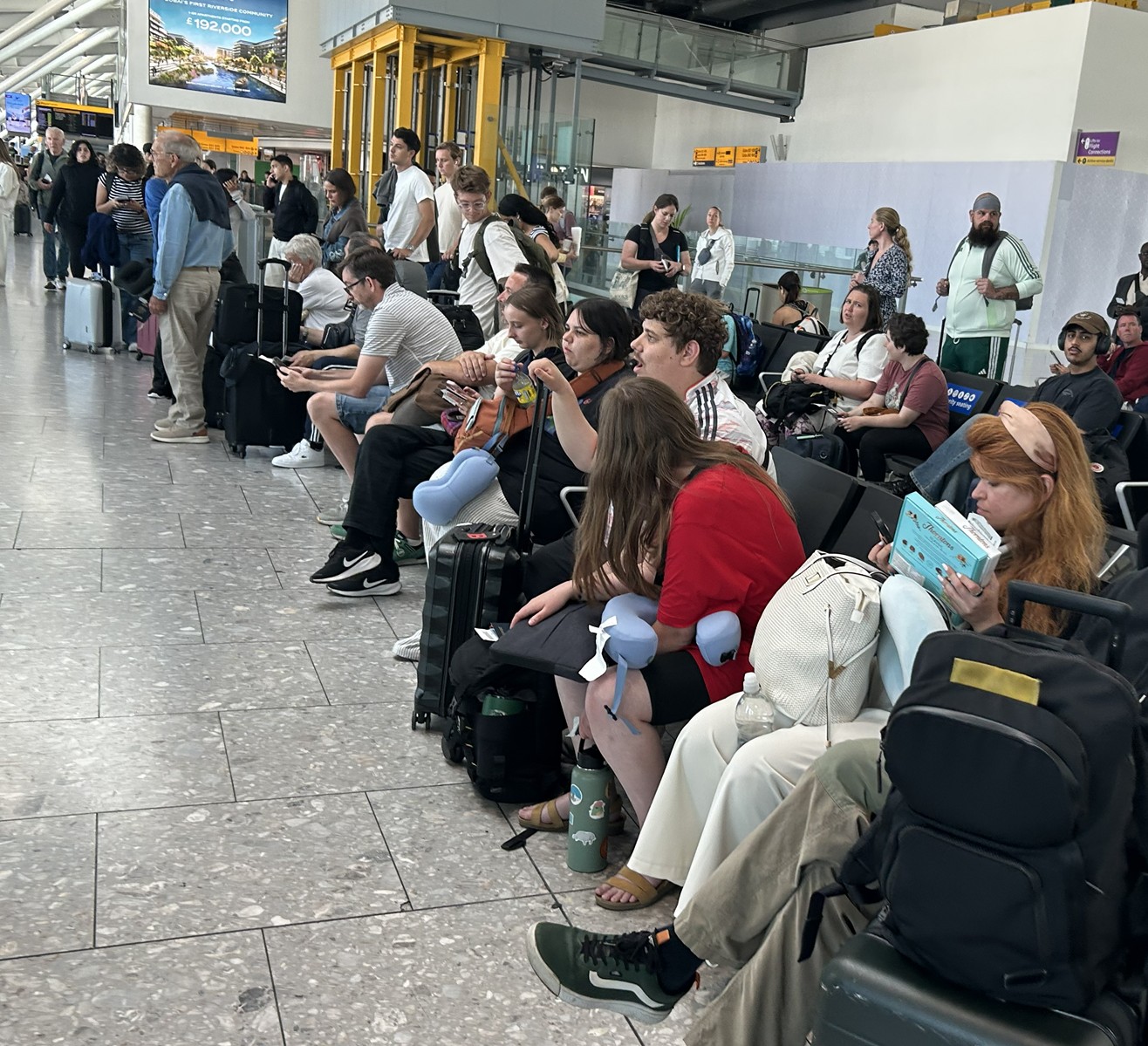
The study abroad began with an unexpected lesson in resilience. Severe thunderstorms
prevented the delegation’s flight from landing at Chicago O’Hare International Airport,
and after circling for more than an hour. The pilot announced that we needed to divert
the aircraft to Milwaukee to refuel before continuing to Chicago. However, just as
the aircraft was about to reroute to Milwaukee, permission was finally given to head
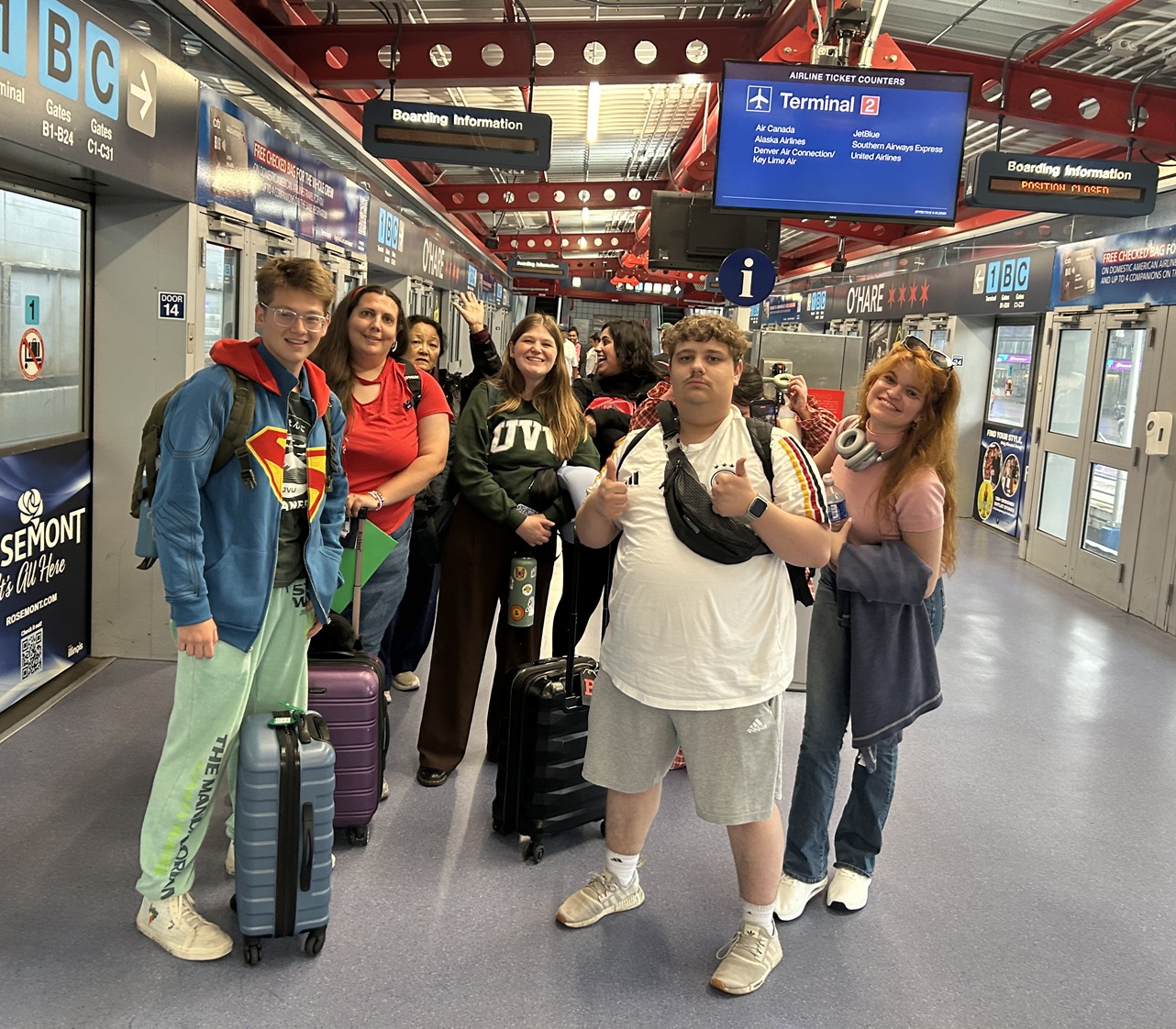
for Chicago. By the time the students reached O’Hare, their flight to Switzerland
had been canceled. Students worked together to communicate with airline representatives,
retrieve luggage, rebook flights, arrange lodging and transportation, obtain meal
vouchers, and support classmates through the disruption. The unexpected overnight
stay in Chicago became an early example of Student-Engaged Learning as students applied
communication, teamwork, organization, leadership, and problem-solving skills outside
the classroom.
The delegation continued toward Switzerland the following day, although some students
traveled on different flight arrangements. Several checked bags remained behind in
Chicago, leaving students without professional clothing, gifts, and other necessities
for more than a day. Despite the delays and missing luggage, the delegation continued
preparing for its meetings and presentations. The difficult beginning reinforced a
lesson that continued throughout the trip: international work requires flexibility,
patience, teamwork, and the ability to adapt when plans change.
Due to these compilations outlined above our first official day in our program agenda
was canceled. Unfortunately our agenda consisted of attending a scheduled visit to
the Palace of the United Nations in Geneva to familiarize the delegation and get acquainted
with its functions and the system in Geneva. Mr. Jean Luc Perrin, a member of the
Geneve Internationale Rotary Club was scheduled but not able to greet the delegation
to share the history and roles of the United Nations and the Rotarians contributions
to the UN. The delegation's scheduled tour of the UN in addition to visits to the
Human Rights Council and the Red Cross Museum were cancelled or postponed to different
program dates. Two of our students who left a few days before the program occurred
for personal endeavors were in Geneva during this time of complications. Due to the
main group complications, the two students who were there already spent the time exploring
Geneva's culture and historical sites.
For more information about July 4th activities, see at: July 4th, 2026: Resilience in Action: UIMF Students Apply Student-Engaged Learning
During Their Journey to Geneva | UVU
July 7, 2026 | AI for Good Global Summit

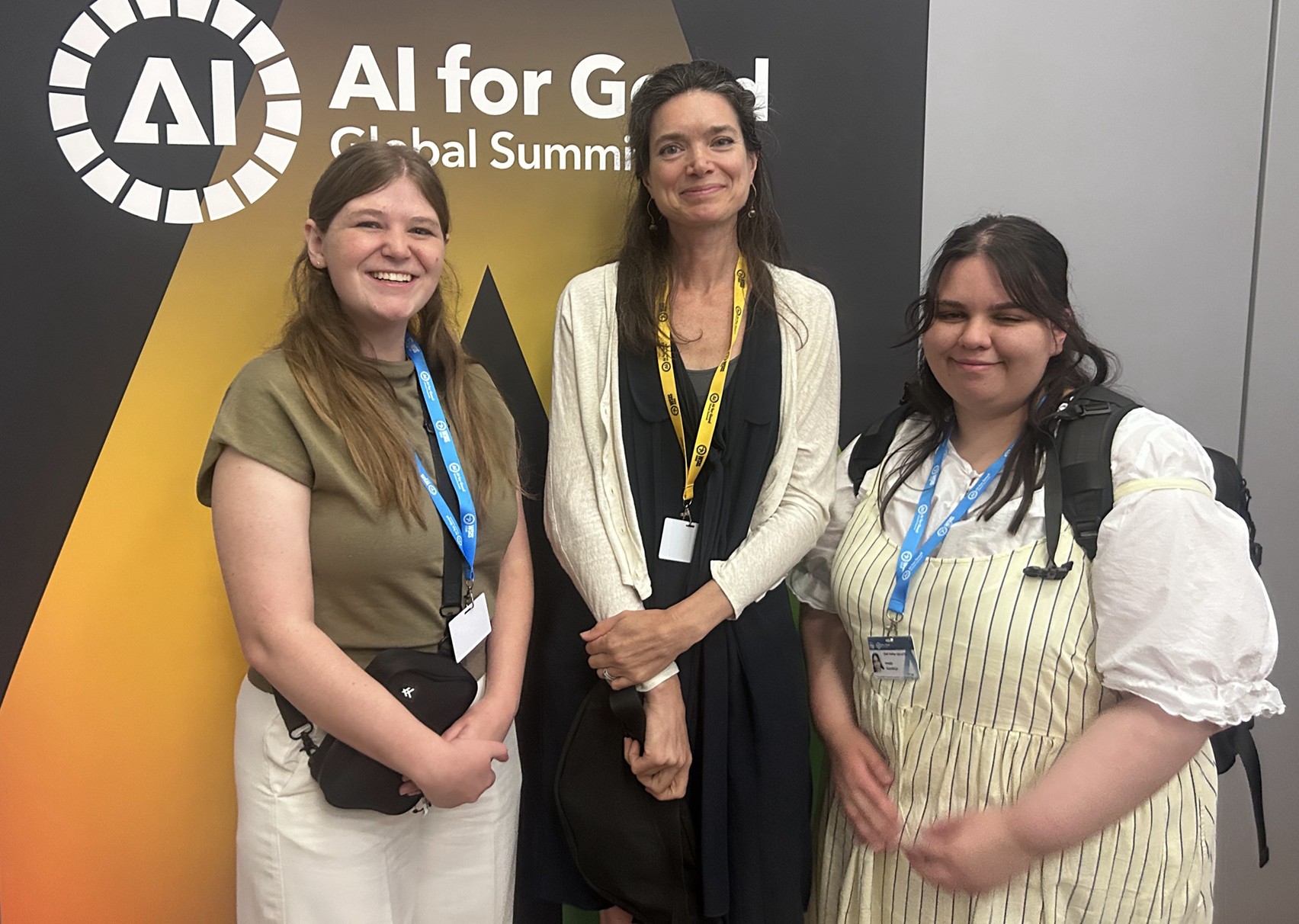
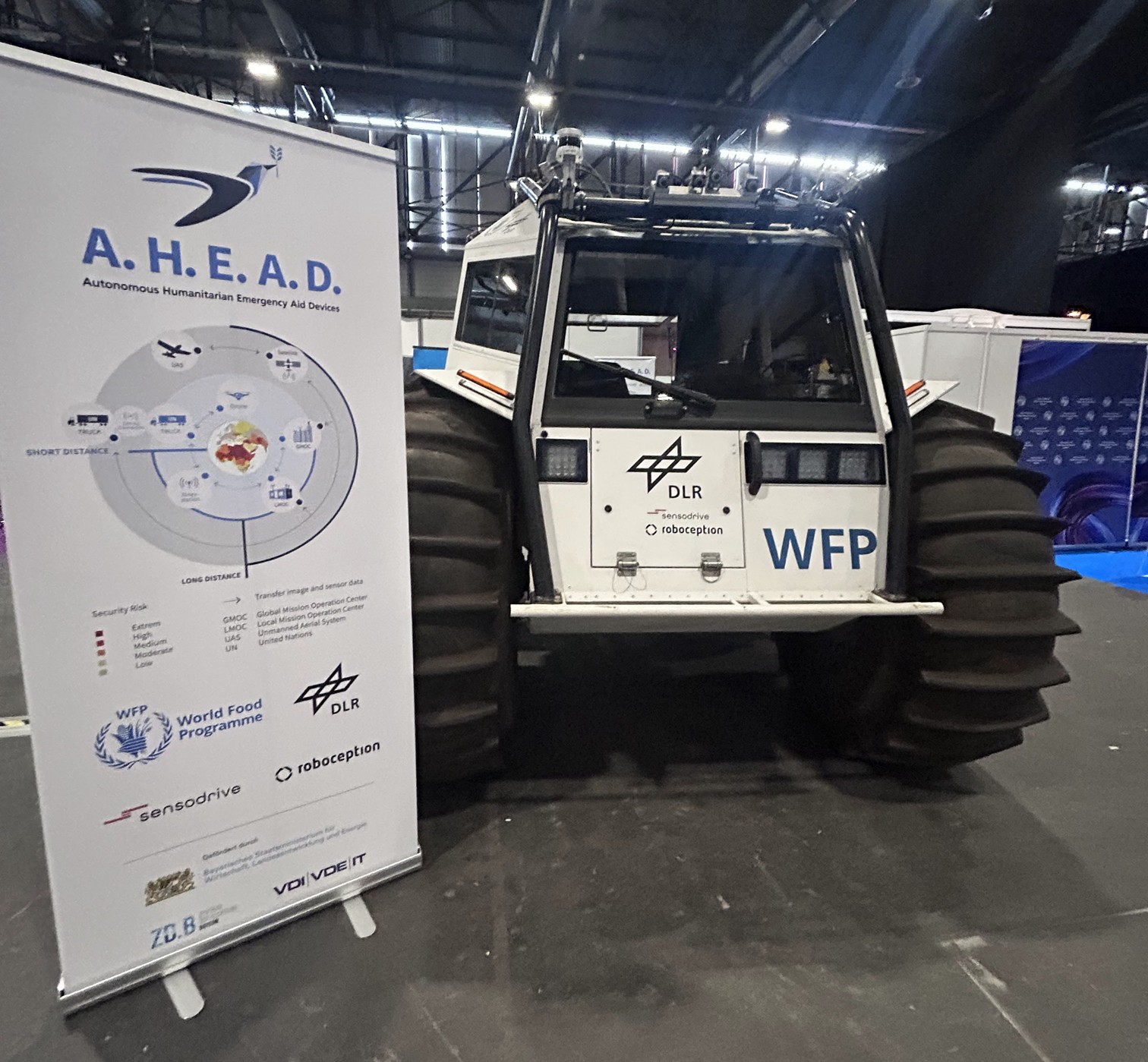
On July 7, the delegation attended the AI for Good Global Summit in Geneva, where
students explored how artificial intelligence and emerging technologies are being
used in areas such as humanitarian assistance, education, sustainability, transportation,
and international development. Because the summit offered many simultaneous sessions,
students divided into smaller groups and attended workshops based on their academic
and professional interests. One group participated in the IEC and ISO workshop, “From
Data Centres to Climate Goals: International Standards for a More Energy-Efficient
AI,” where students considered the environmental effects of the physical infrastructure
needed to support artificial intelligence, including energy consumption, water use,
land development, and impacts on local communities.
Students also explored robotics, drones, youth innovations, and humanitarian technologies
throughout the exhibition area. AHEAD—Autonomous Humanitarian Emergency Aid Devices,
developed through collaboration between the World Food Programme and the German Aerospace
Center—was particularly relevant to the delegation’s focus on mountain communities
because the technology is designed to support humanitarian delivery in difficult terrain.
Students also had opportunities to speak with professionals, including Molly Webb,
Founder and CEO of Energy Unlocked, and to connect the summit’s discussions with the
Sustainable Development Goals. The experience demonstrated that technological innovation
can create important opportunities, but responsible development also requires attention
to environmental stewardship, human dignity, policy, and the needs of affected communities.
For more information about July 7th activities, see at: July 7th: UVU Students Explore Artificial Intelligence, Sustainability, and Humanitarian
Innovation at AI for Good Global Summit in Geneva Switzerland | UVU
July 8, 2026 | World Trade Organization, Botanical Gardens, Aga Khan Foundation, and
Indigenous Advocacy
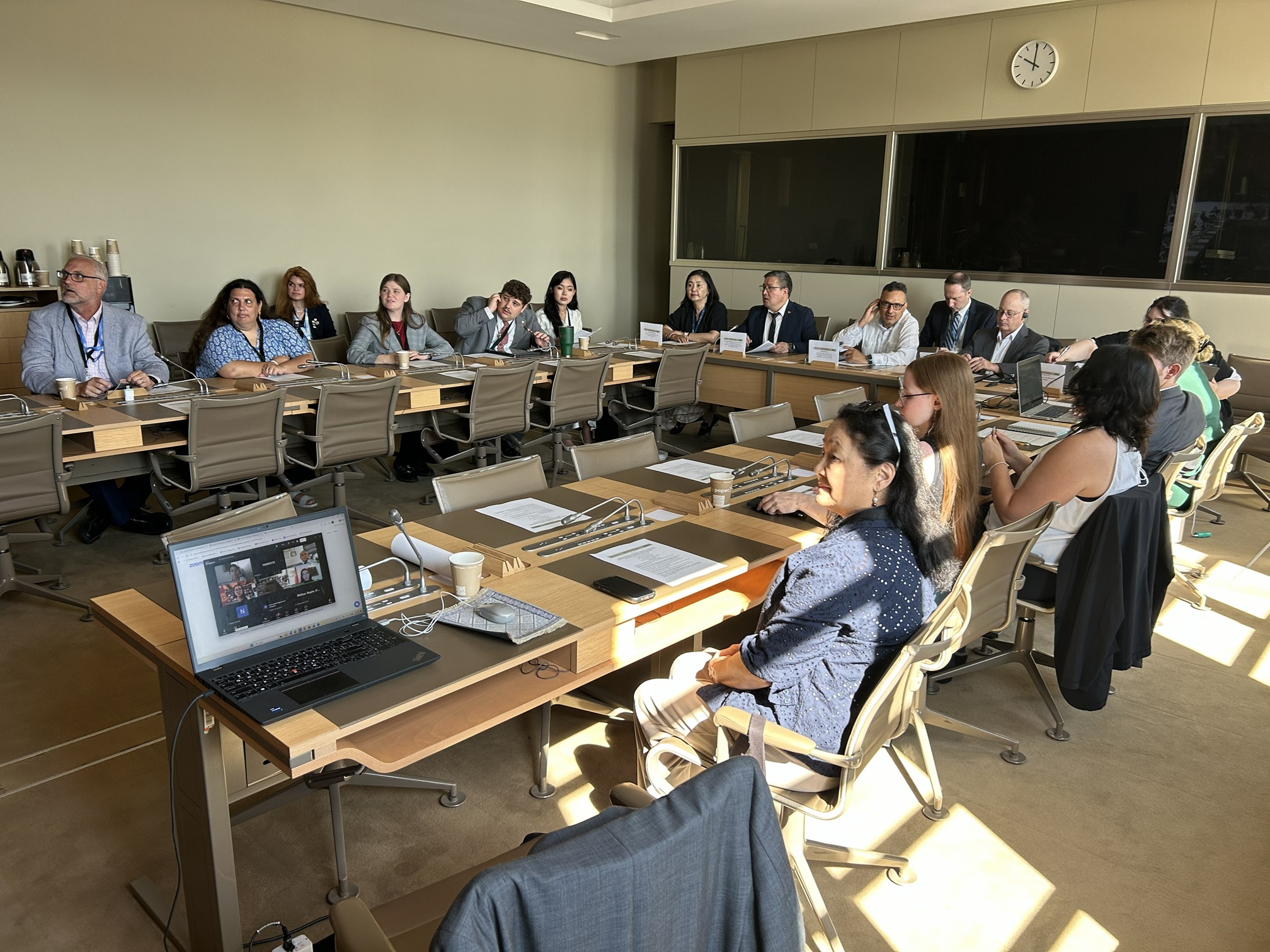
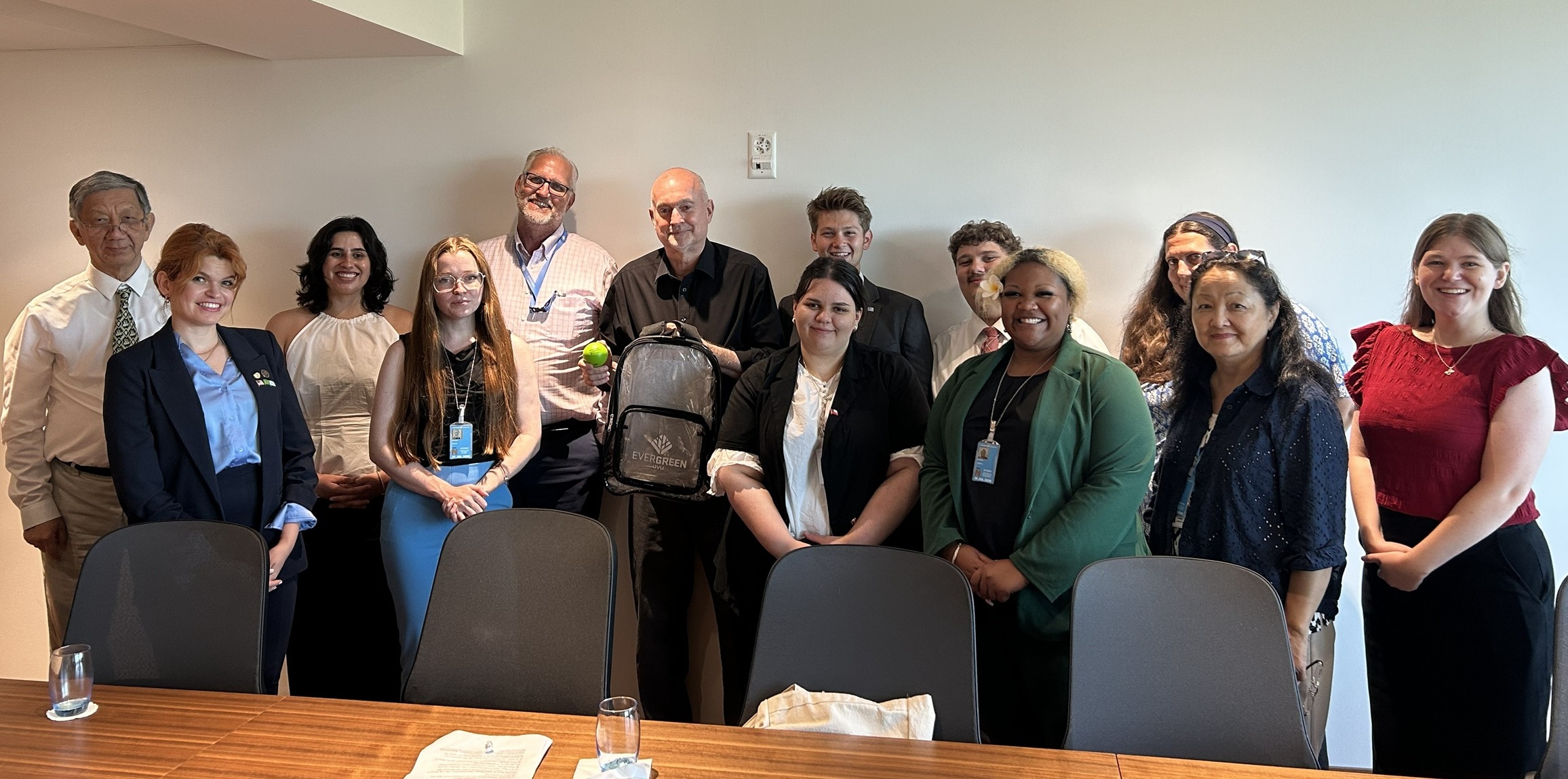
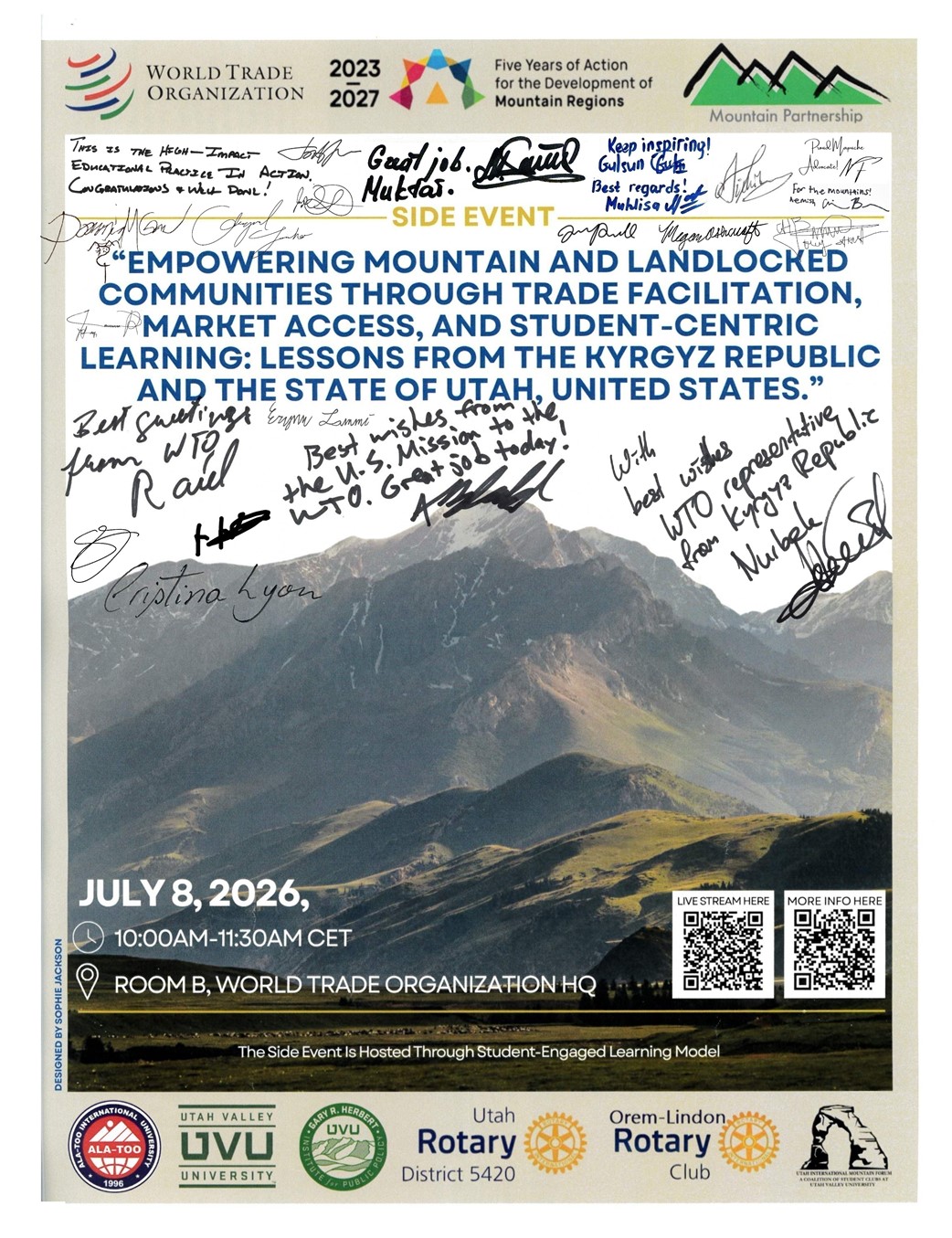
July 8 was one of the delegation’s most significant days in Geneva. At World Trade
Organization headquarters, students from Utah Valley University, the Kyrgyz Republic,
and Mongolia participated in the side event “Empowering Mountain and Landlocked Communities
Through Trade Facilitation, Market Access, and Student-Centric Learning: Lessons from
the Kyrgyz Republic and the State of Utah, United States.” The program included presentations
of ten UVU students, three students from the Kyrgyz republic, and one student from
Mongolia. It was co-moderated by Natalia Figueroa of UVU and Gulsunai Toktobaeva of
Ala-Too International University. Participants heard remarks from representatives
of the WTO, Kyrgyz Republic, United States, Mongolia, and the United Nations Mountain
Partnership. Students presented research on trade facilitation, digital connectivity,
education, women’s economic participation, health care, clean energy, climate change,
Indigenous rights, environmental stewardship, and the experiences of mountain and
landlocked communities.
The WTO program demonstrated SEL Learning at an international level. Students helped
organize and moderate the event, presented research, responded to technical difficulties,
and interacted directly with diplomats and international professionals. The Mountain
Partnership recognized the event as a contribution to the United Nations Five Years
of Action for the Development of Mountain Regions 2023–2027. Following the program,
members of the delegation toured areas of WTO headquarters
After leaving the WTO, the delegation visited Geneva’s Botanical Gardens, by walking
through the grounds, and exploring the plant collections. The group later visited
the Aga Khan Foundation to learn about its work to address the root causes of poverty
through areas including education, health and nutrition, agriculture and food security,
climate resilience, civil society, and employment and enterprise. This experience
demonstrated the importance of long-term partnerships, local knowledge, and helping
communities develop sustainable solutions to local challenges.
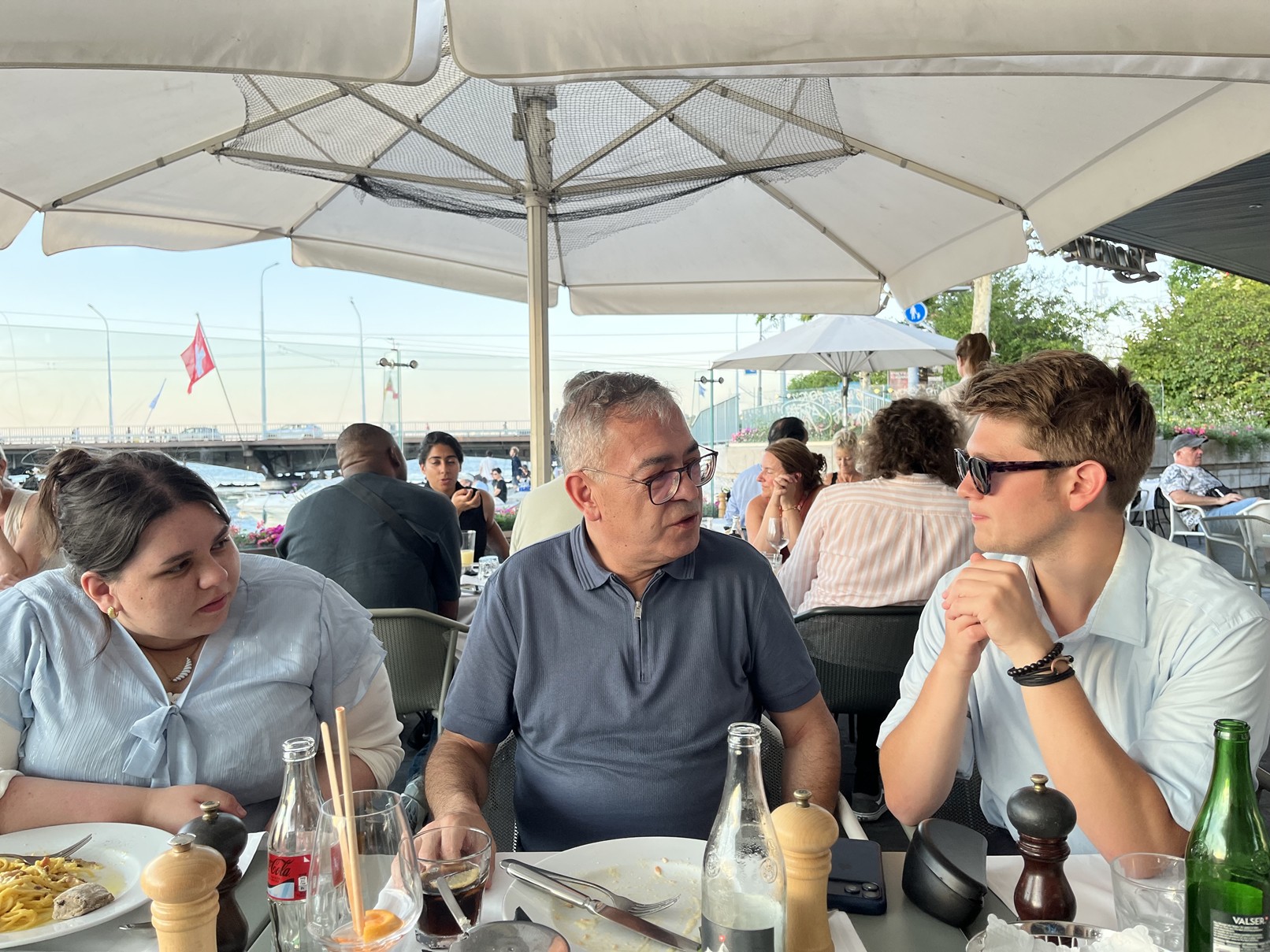
The day concluded with several members of the delegation with mentor Dr. Baktybek
Abdrisaev joined for dinner with Rodrigo Paillalef, a Mapuche lawyer and member of
the United Nations Permanent Forum on Indigenous Issues. The conversation addressed
Indigenous rights, and ways students can support Indigenous communities through research
and advocacy. Discussion also included research concerning Chile’s salmon and forestry
industries effects on Mapuche communities, as well as possibilities for future student-led
Indigenous initiatives at UVU.
For more information about July 8th activities, see at: July 8th, 2026: UIMF Members Advocated for Sustainable Mountain Development at World
Trade Organization's Side Event | UVU
July 9, 2026 | World Health Organization and Rotary in Geneva
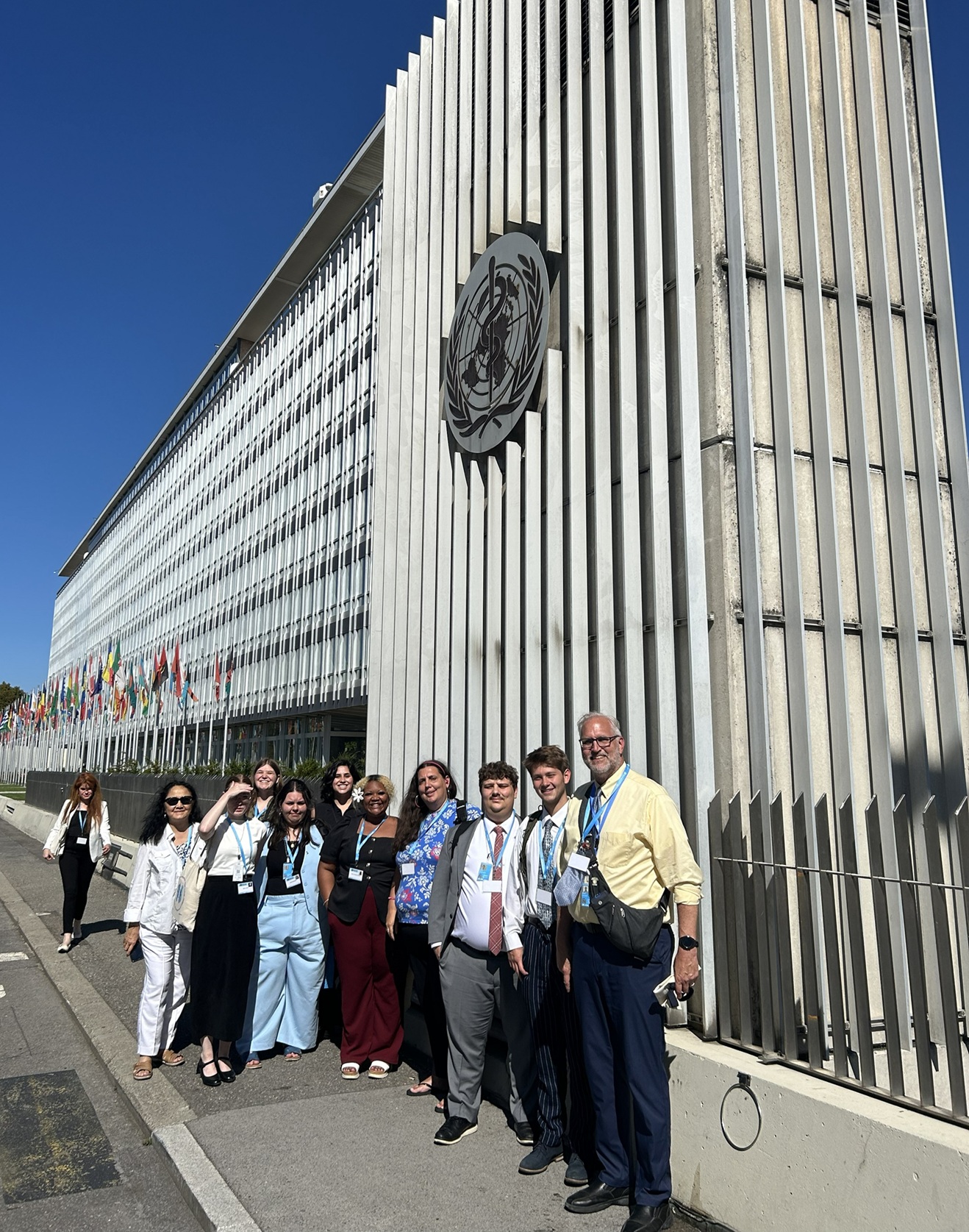
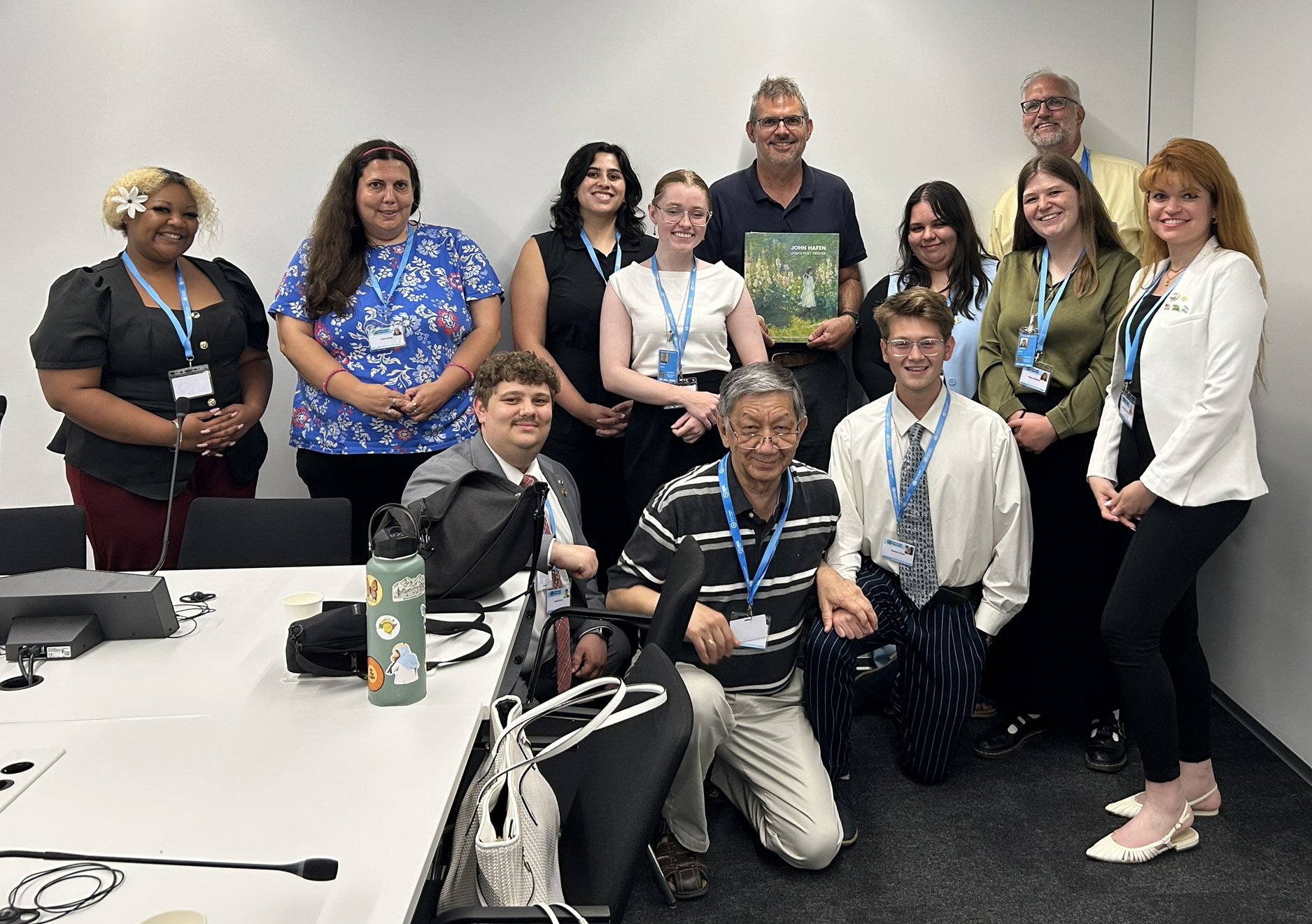
On July 9, the delegation spent the day at the World Health Organization (WHO), where
students examined how global health connects with diplomacy, humanitarian response,
conflict, peacebuilding, and sustainable development. Students met Mr. Oliver Rosenbauer,
who organized the visit of the delegation to the WHO. He is Communications Officer
and spokesperson for the Global Polio Eradication Initiative and a member of Rotary
Club Genève International. Mr. Rosenbauer had previously participated in a World Polio
Day program with UVU, allowing students to continue an existing relationship in person.
The discussion explored the Global Polio Eradication Initiative and the important
partnership among WHO, Rotary, and other organizations working to eliminate polio.
The delegation also heard from Dr. Margaret Harris, a WHO spokesperson who discussed
public-health and emergency communication, including experiences during the COVID-19
pandemic. Carolina Simões de Jesus introduced students to connections between health
governance and peacebuilding, while Dr. Fahmy Hanna of WHO’s Department of Mental
Health and Substance Use discussed mental health and psychosocial support during emergencies
and conflicts. Together, these conversations demonstrated that public health is influenced
not only by medicine but also by political stability, community trust, security, communication,
access, and the ability of governments and organizations to cooperate.
Students also toured areas of WHO connected with global health coordination and emergency
response. For many members of the delegation, the visit transformed the vision of
WHO from an institution they had studied academically into a network of professionals
addressing complex challenges affecting communities around the world.
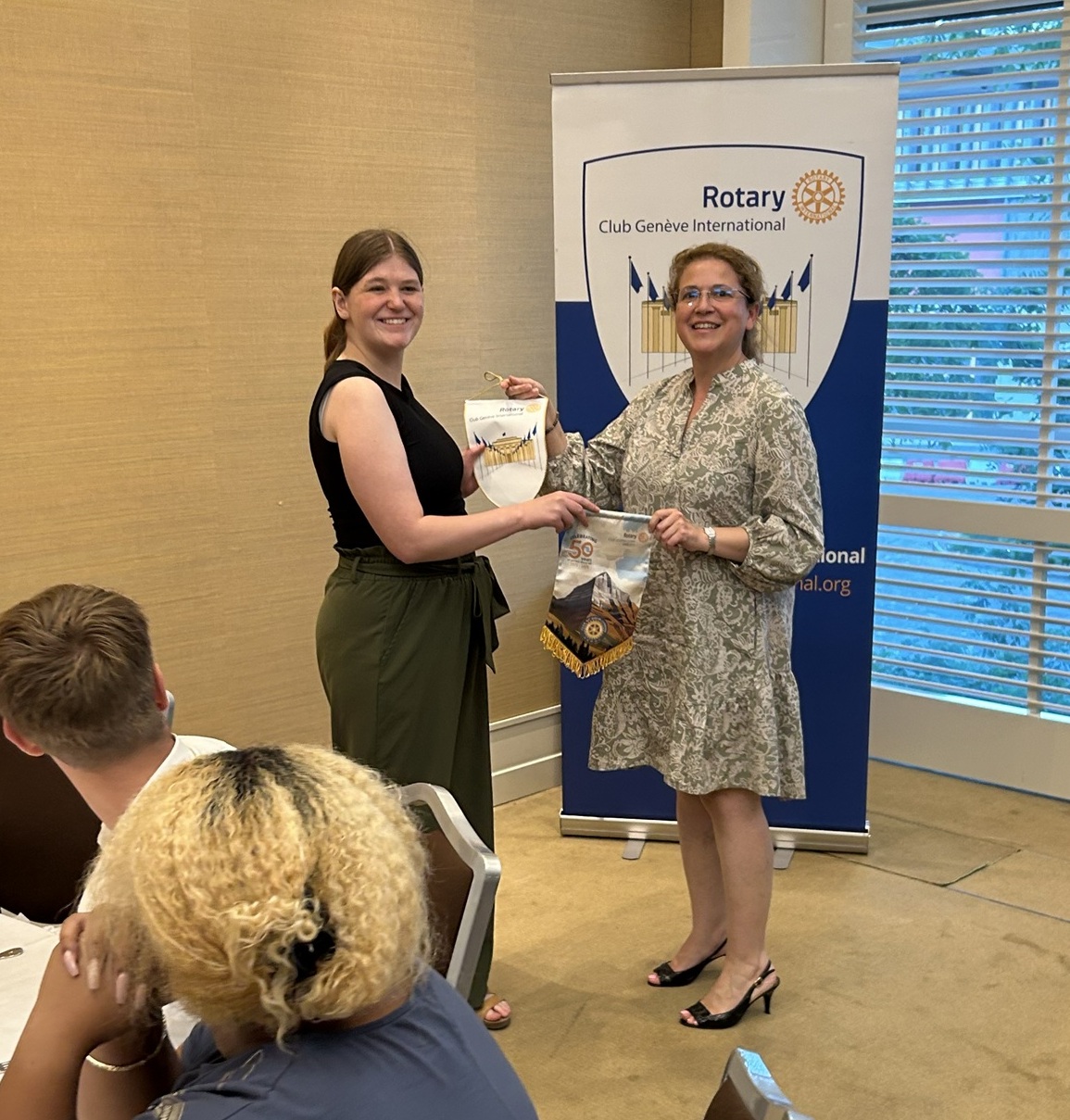
That evening, the delegation joined Rotarians, Rotaractors, and international professionals
for dinner in Geneva at the famous globally Intercontinental hotel. Students connected
with young Rotaractors from Geneva The informal setting reinforced that international
cooperation is built not only through formal institutions but also through personal
relationships, shared interests, service, and continued communication.
This dinner meeting provided students with the opportunity to network with professionals
working within United Nations bodies, NGO founders, humanitarians, political figures,
and members of the Geneva Rotary community. The diverse professional backgrounds of
the Rotarians allowed students to learn about the many different career pathways available
to them after graduation.
Throughout the dinner, students gained valuable insight into graduate education, internships,
scholarships, and professional opportunities in Geneva. They also learned how pursuing
a postgraduate degree in Geneva could help open doors within their desired fields
and provide opportunities to build meaningful professional connections in an international
environment.
For more information about July 8th activities, see at: July 9th2026: UVU Rotaractors at World Health Organization and Partner with Geneva
Rotarians and Rotaractors | UVU
July 10, 2026 | Humanitarian Cooperation and the Red Cross Museum
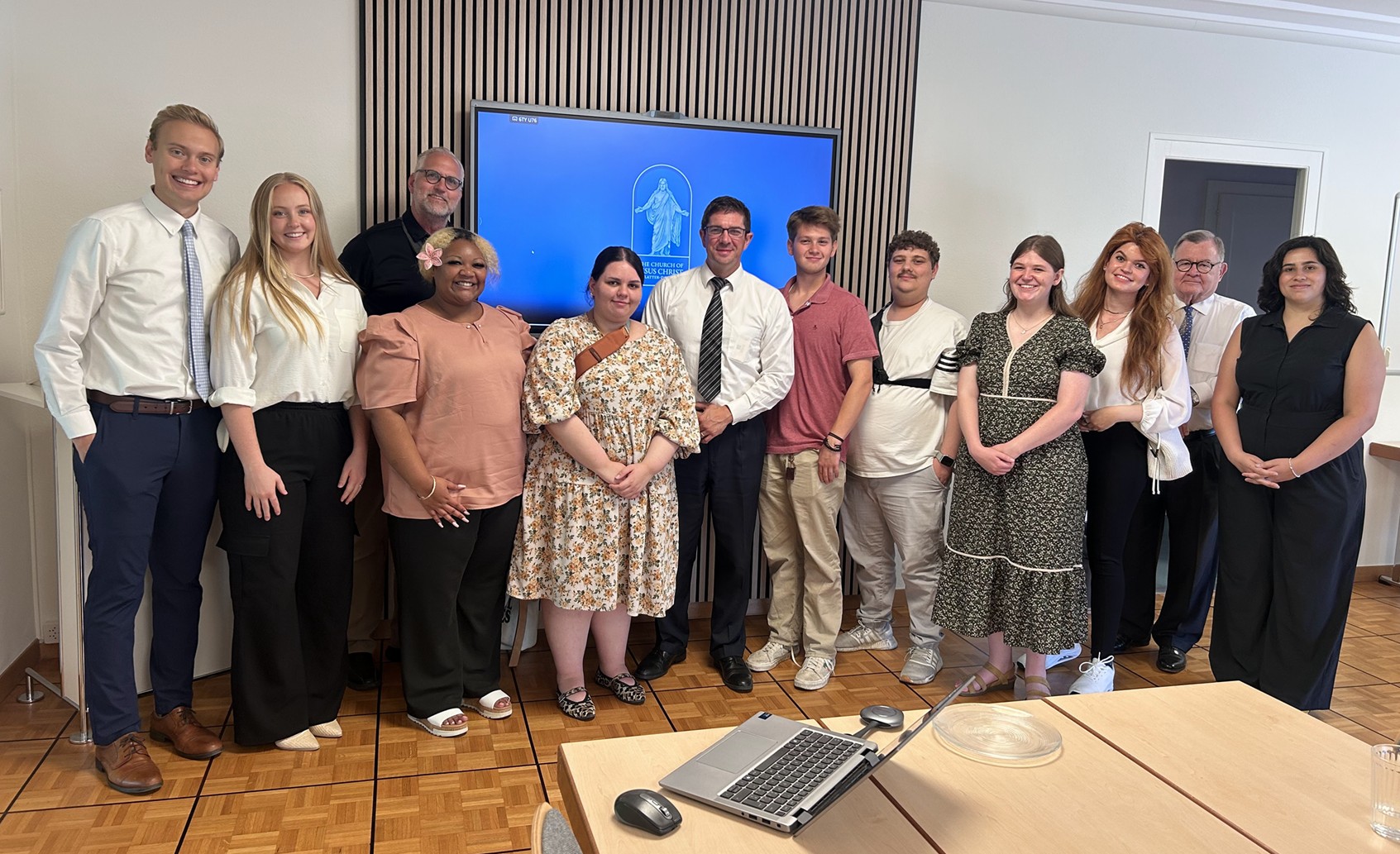
On July 10, the delegation visited the Geneva office connected with the humanitarian
work of The Church of Jesus Christ of Latter-day Saints, where Mr. Stefano Bosco,
interns, and a senior missionary couple welcomed the students. The group learned about
international humanitarian partnerships and how the office works with governments,
United Nations agencies, nonprofit organizations, and other partners to respond to
needs around the world. Students discussed humanitarian initiatives involving health,
education, food security, clean water, sanitation, disaster response, and community
resilience, as well as the importance of understanding local circumstances rather
than applying the same solution in every country.
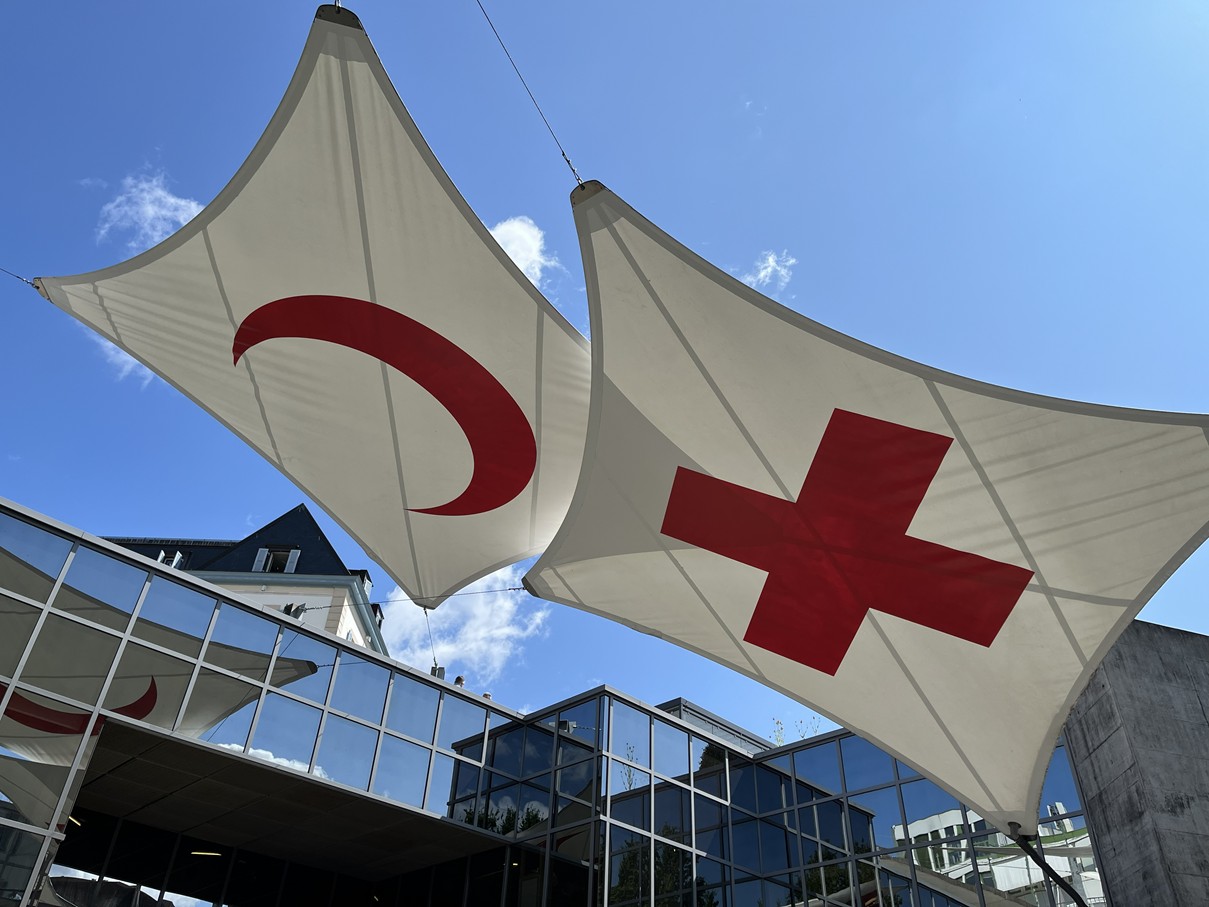
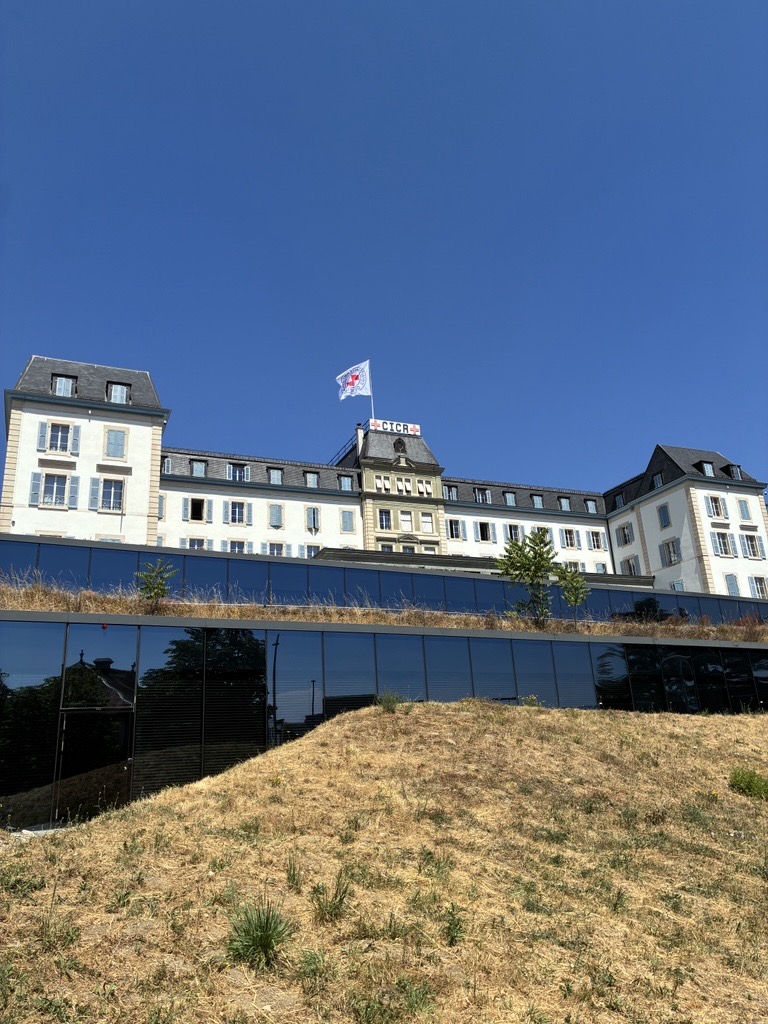
Later that day, the delegation visited the International Red Cross and Red Crescent
Museum. Exhibits focusing on conflict, displacement, separated families, and humanitarian
communication provided a more personal perspective on international crises. Students
saw messages sent through the Red Cross to loved ones as well as photographs of displaced
Rwandan children who had been separated from their families. The museum reminded the
delegation that humanitarian issues discussed in diplomacy and policy represent real
people and families. Afterward, students used their free time to explore Geneva, visit
Old Town and local shops, travel with a faculty mentor to CERN, or spend time at Lake
Geneva.
For more information about July 10th activities, see at: July 10th, 2026: Exploring the Intersection of Humanitarian Work and International
Cooperation Lessons from the Geneva Office for the Church of Jesus Christ of Latter-Day
Saints and Red Cross Museum | UVU
July 11, 2026 | Chillon Castle and Swiss Culture
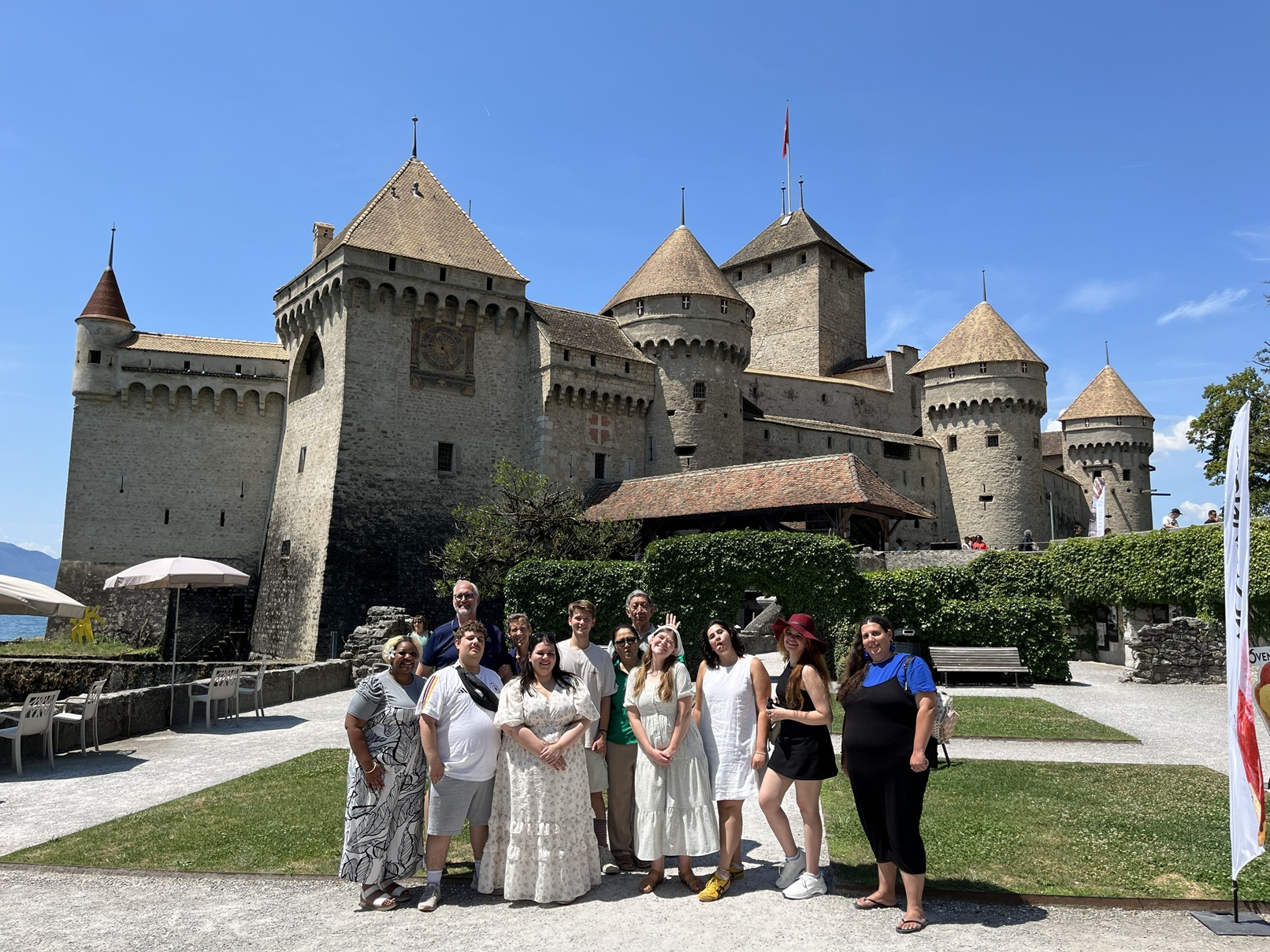
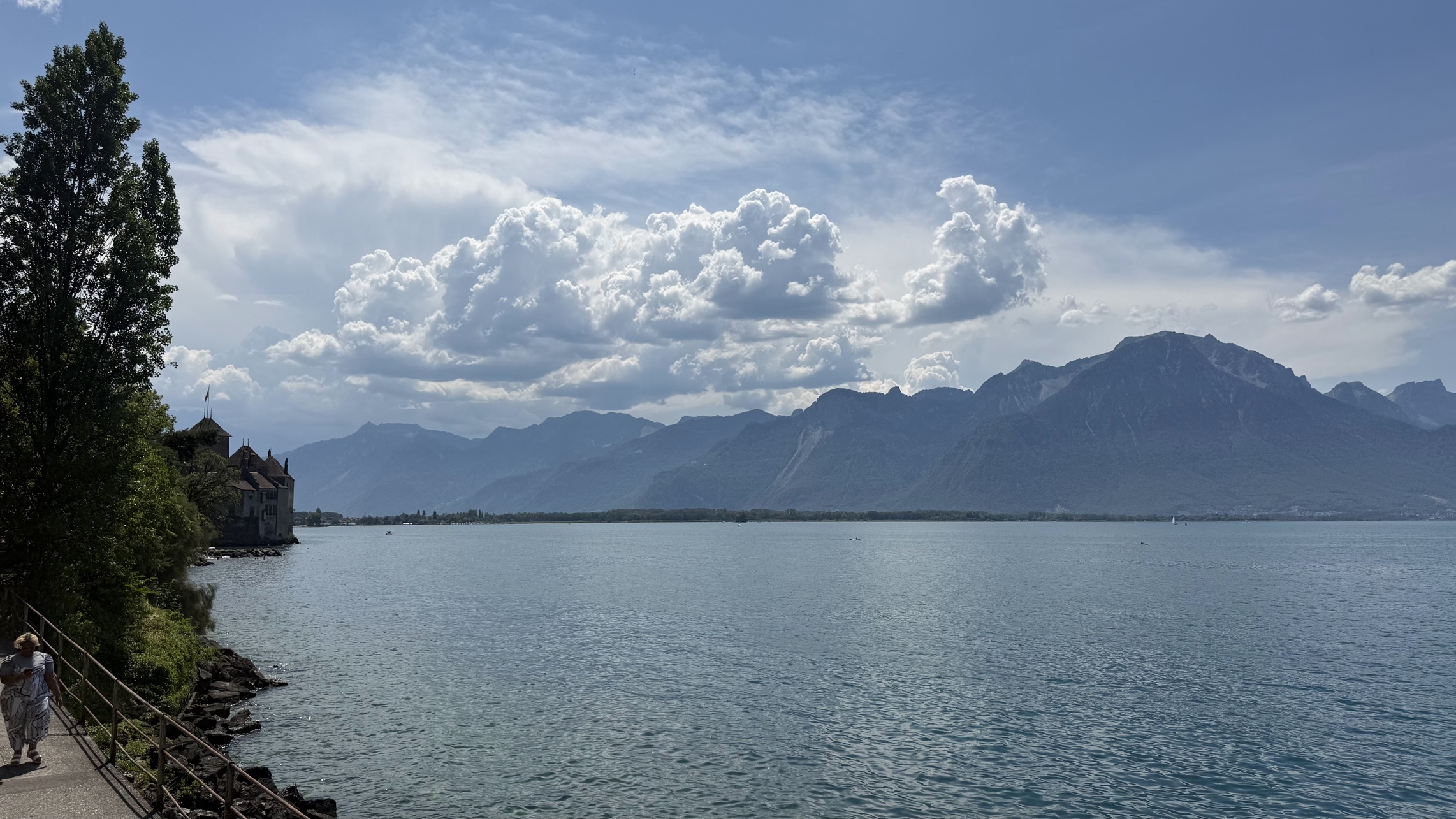

On July 11, the delegation traveled by train from Geneva to Chillon Castle, located
in Montreux within one hour and a half travel time for a cultural excursion. Along
the journey, students observed Lake Geneva, the Alps, vineyards, agricultural areas,
villages, and Switzerland’s public transportation system. The trip provided an opportunity
to consider how transportation, preserved agricultural land, tourism, environmental
stewardship, and community development can coexist. It also gave students time to
strengthen friendships and experience Switzerland beyond its international organizations.
At Chillon Castle, students explored courtyards, historic halls, defensive structures,
living quarters, a chapel, and underground prison chambers while learning about centuries
of Swiss and regional history. The visit demonstrated how cultural heritage can support
education and tourism while remaining carefully preserved. After several intensive
days of diplomatic activities, the excursion also gave students an opportunity to
rest, take photographs, enjoy the landscape surrounding Lake Geneva, and reflect on
the importance of understanding the history and culture of the places in which international
diplomacy takes place.
For more information about July 11th activities, see at: July 11th, 2026: From Diplomacy to Culture: UIMF Students Explore Chillon Castle and
the Swiss Landscape | UVU
July 12, 2026 | Transition from Geneva to New York City
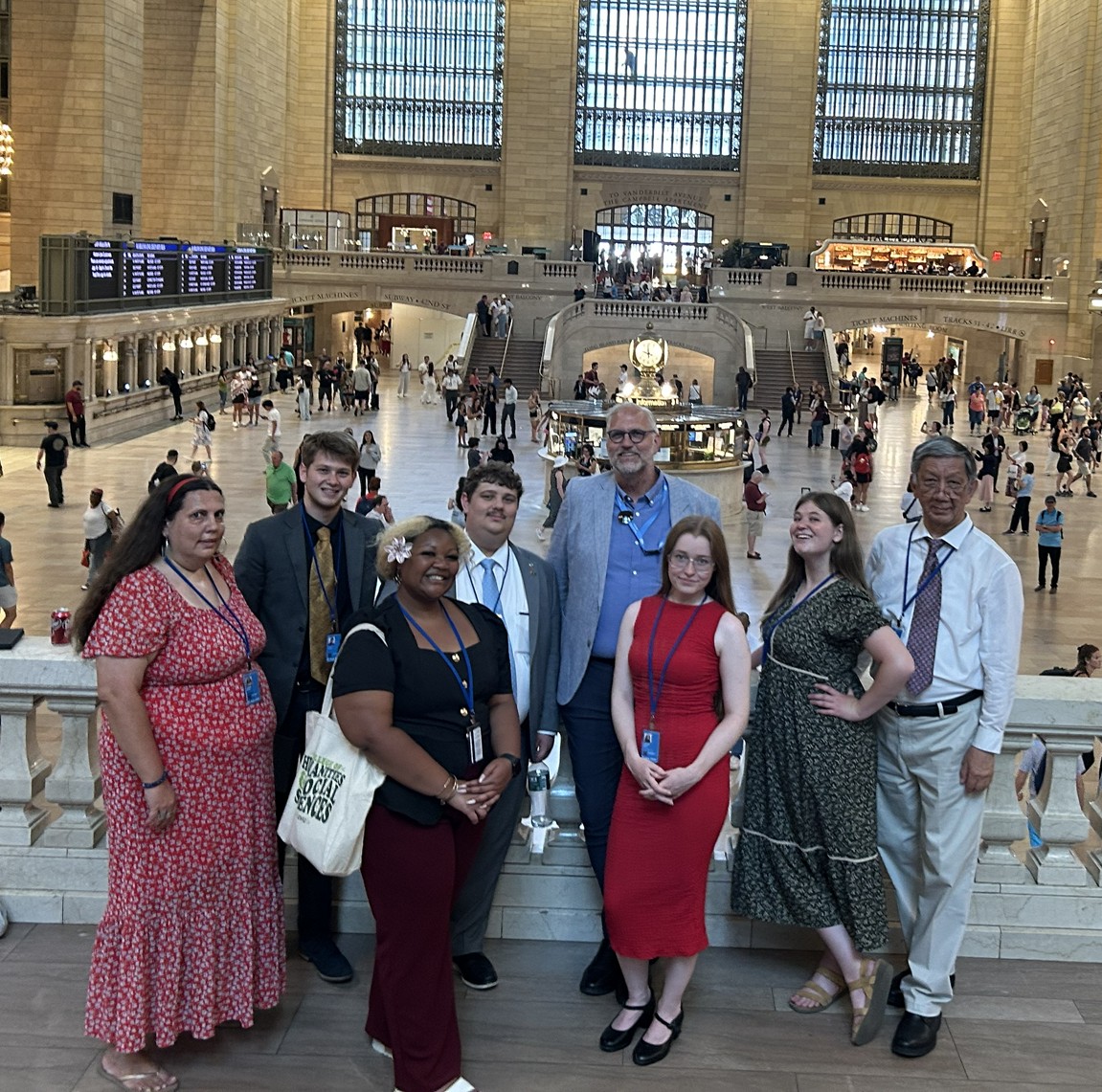
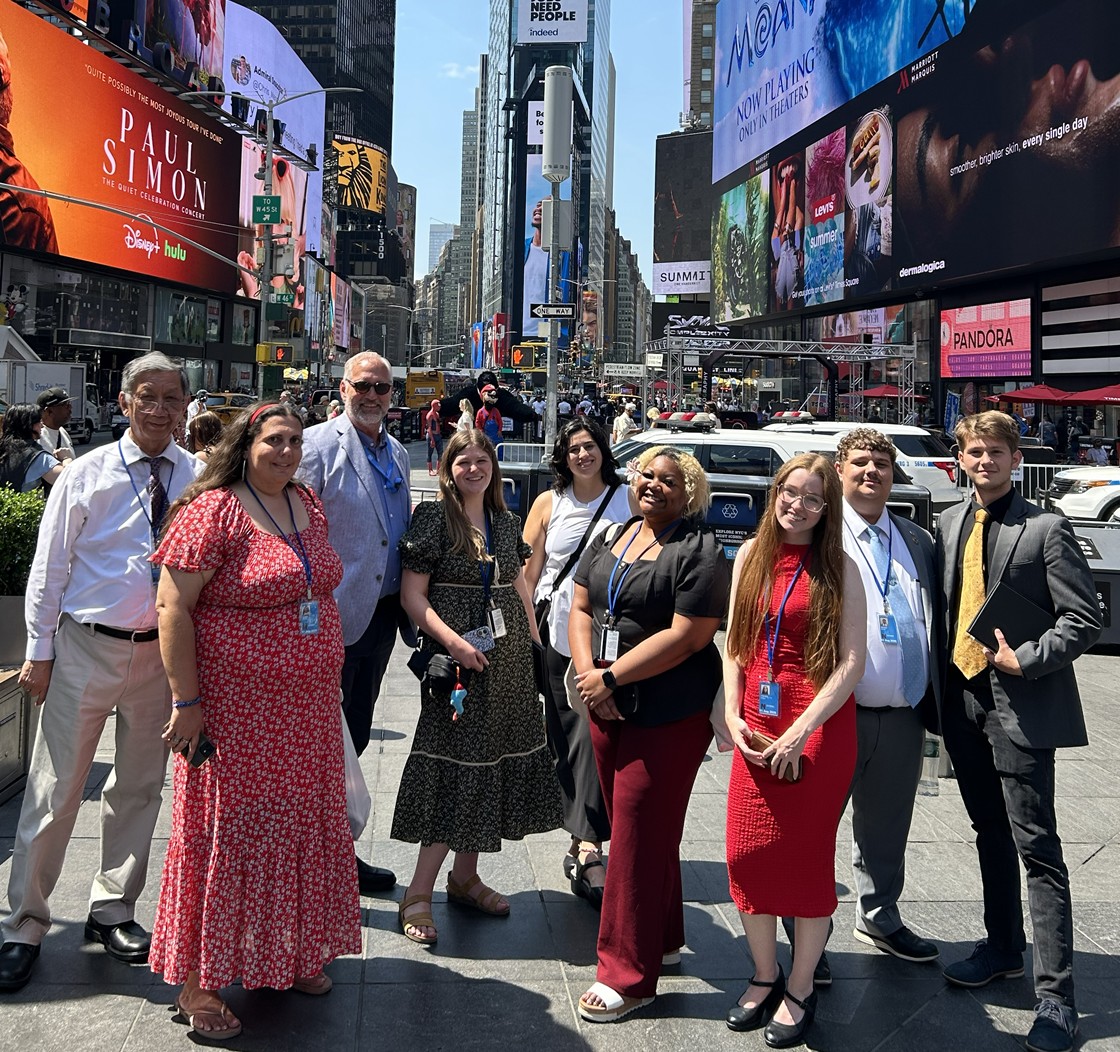
After completing the Geneva portion of the program, the delegation traveled to New
York City for the second part of the study abroad. The transition brought students
from the international organizations of Geneva to the United Nations Headquarters
in New York City during the High-Level Political Forum on Sustainable Development
(HLPF). Students prepared to attend sessions and side events connected with the Sustainable
Development Goals and to observe how governments, international organizations, and
civil-society participants present their priorities within the UN system.
The New York portion of the program was structured differently from much of the Geneva
itinerary. Rather than attending every event together as one delegation, students
had opportunities to attend different HLPF sessions and related events according to
their interests and research areas. They, in particular, were assigned to inquire
whether the UN member-states, which voluntarily reported about implementation of six
sustainable development goals, have included in their official statements the implementation
of the Target 6.6, aiming at the restoration of mountain ecoenvironments. This allowed
individual members of the delegation to explore different aspects of sustainable development
while later sharing their observations with classmates.
July 13–14, 2026 | High-Level Political Forum and Individual UN Events
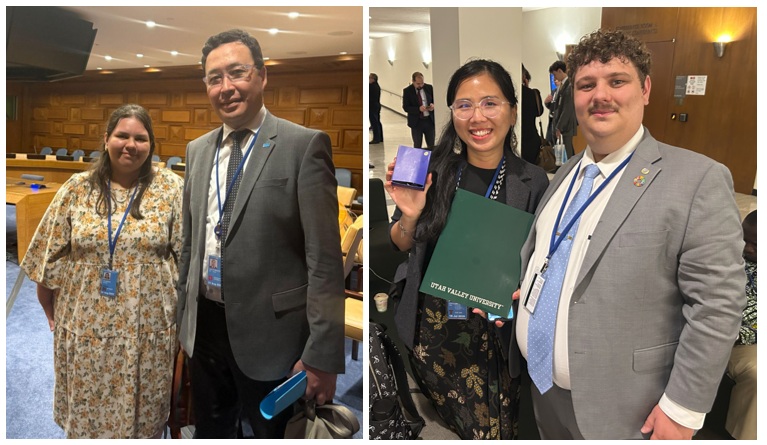
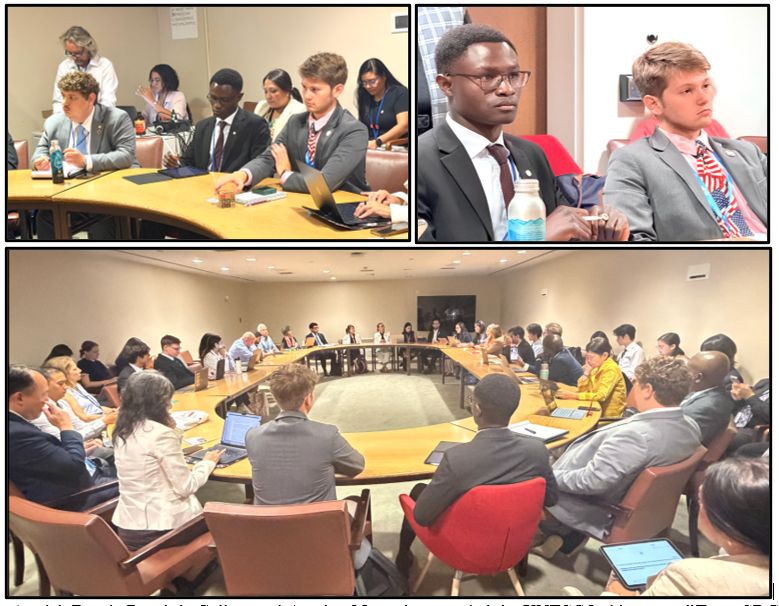
During the High-Level Political Forum, delegation members attended a variety of sessions,
side events, and discussions at or around United Nations Headquarters. Because students
selected activities connected with their own academic interests, focusing on the implementation
by the member-states of sustainable mountain development-related measures. The group
was also able to observe a wider range of topics than would have been possible if
everyone attended the same events. These experiences allowed students to hear directly
from governments, international organizations, experts, and civil-society representatives
discussing progress and challenges related to the Sustainable Development Goals.
The HLPF portion of the study abroad gave students an opportunity to independently
navigate the UN environment, identify relevant sessions, listen to international policy
discussions, and connect those discussions with topics of SMD implementation, studied
at UVU.
For more information about July 13th and July 14th activities, see at :
July 13th: Gaining Watchdog Skills at the High-Level Political Forum on Sustainable
Development | UVU;
July 14, 2026: Learning That Stewards: Contributions to the High-Level Political Forum
and the Impact of Student Engagement | UVU
July 15, 2026 | Meeting with the Permanent Representative of the Kyrgyz Republic to
the UN, Ambassador Aida Kasymalieva
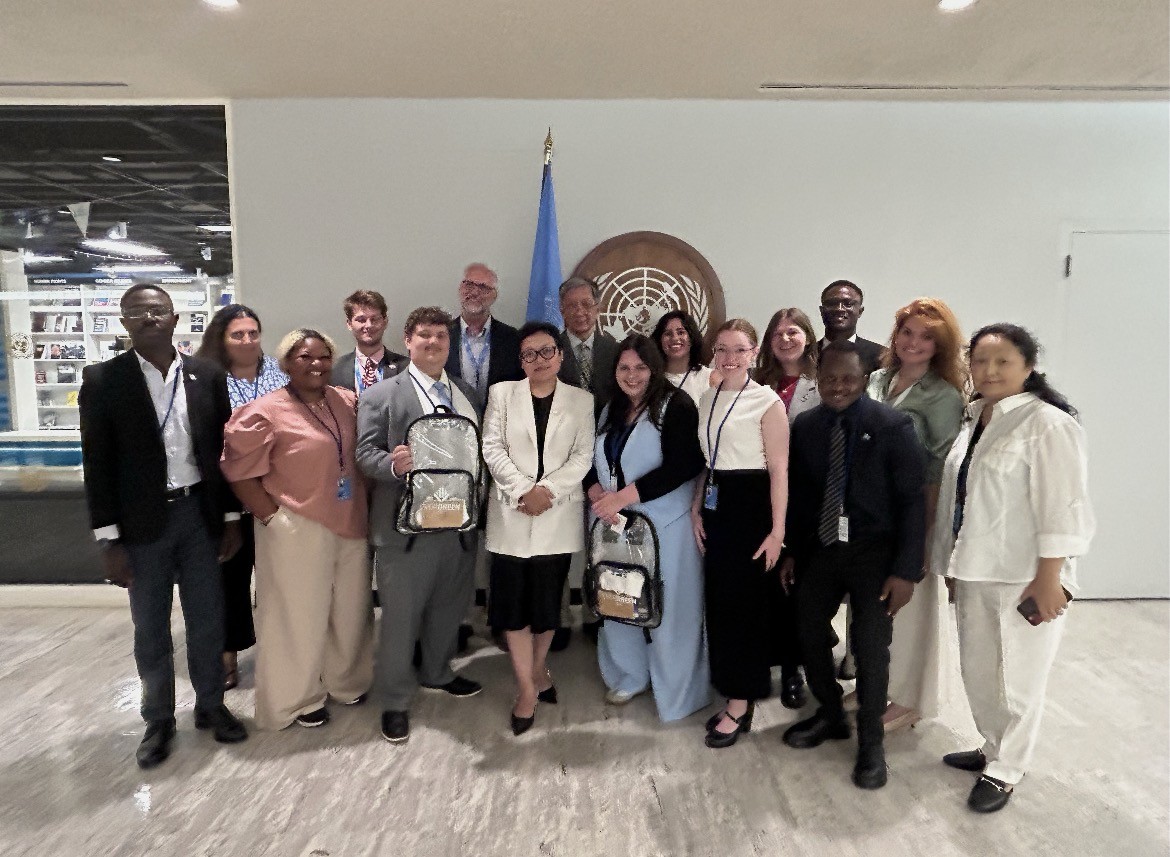
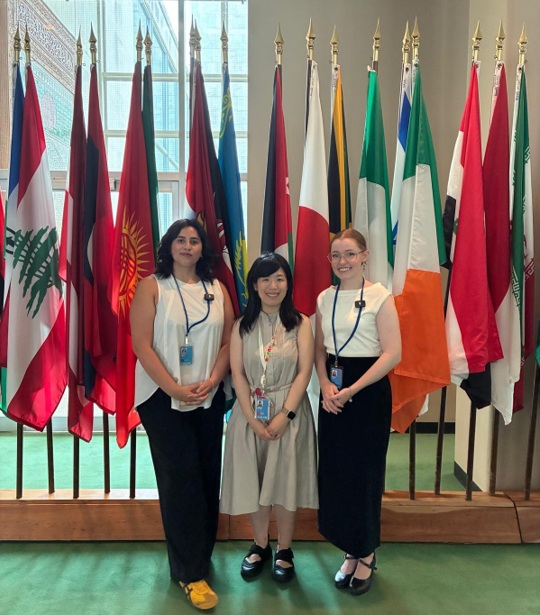
On July 15, the delegation met Her Excellency Mrs. Aida Kasymalieva, Permanent Representative
of the Kyrgyz Republic to the United Nations at the UN headquarters. . Students congratulated
Ambassador Kasymalieva and the Kyrgyz Republic on its election to serve as a non-permanent
member of the United Nations Security Council for the 2027–2028 term. The conversation
also continued UVU’s longstanding cooperation with Kyrgyz partners and focused on
sustainable mountain development, student engagement, and the importance of ensuring
that mountain communities remain represented within international discussions.
The delegation also discussed Kyrgyzstan’s leadership on mountain issues and preparations
for the Second Global Mountain Summit, “Bishkek+25,” in 2027. Dr. Jay DeSart expressed
appreciation for Ambassador Kasymalieva’s mentorship of UVU students and discussed
continued cooperation related to sustainable mountain development. For the students,
the meeting demonstrated how international relationships can develop over time through
continued communication, shared projects, faculty mentorship, and student participation.
For more information about July 15th activities, see at: July 15, 2026: Our Contribution to the United Nations High-Level Political Forum (HLPF)
| UVU
July 16, 2026 | Return to Utah
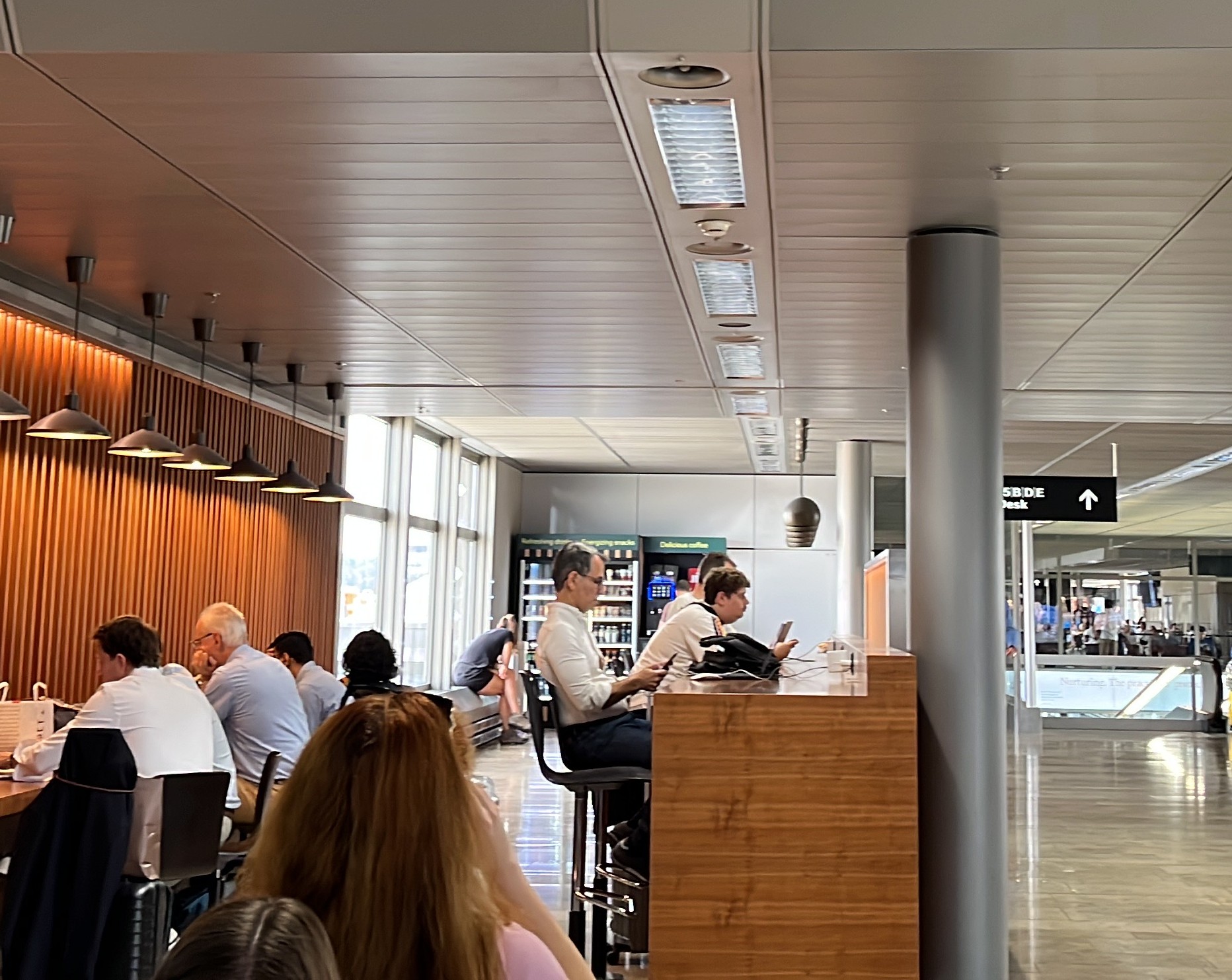
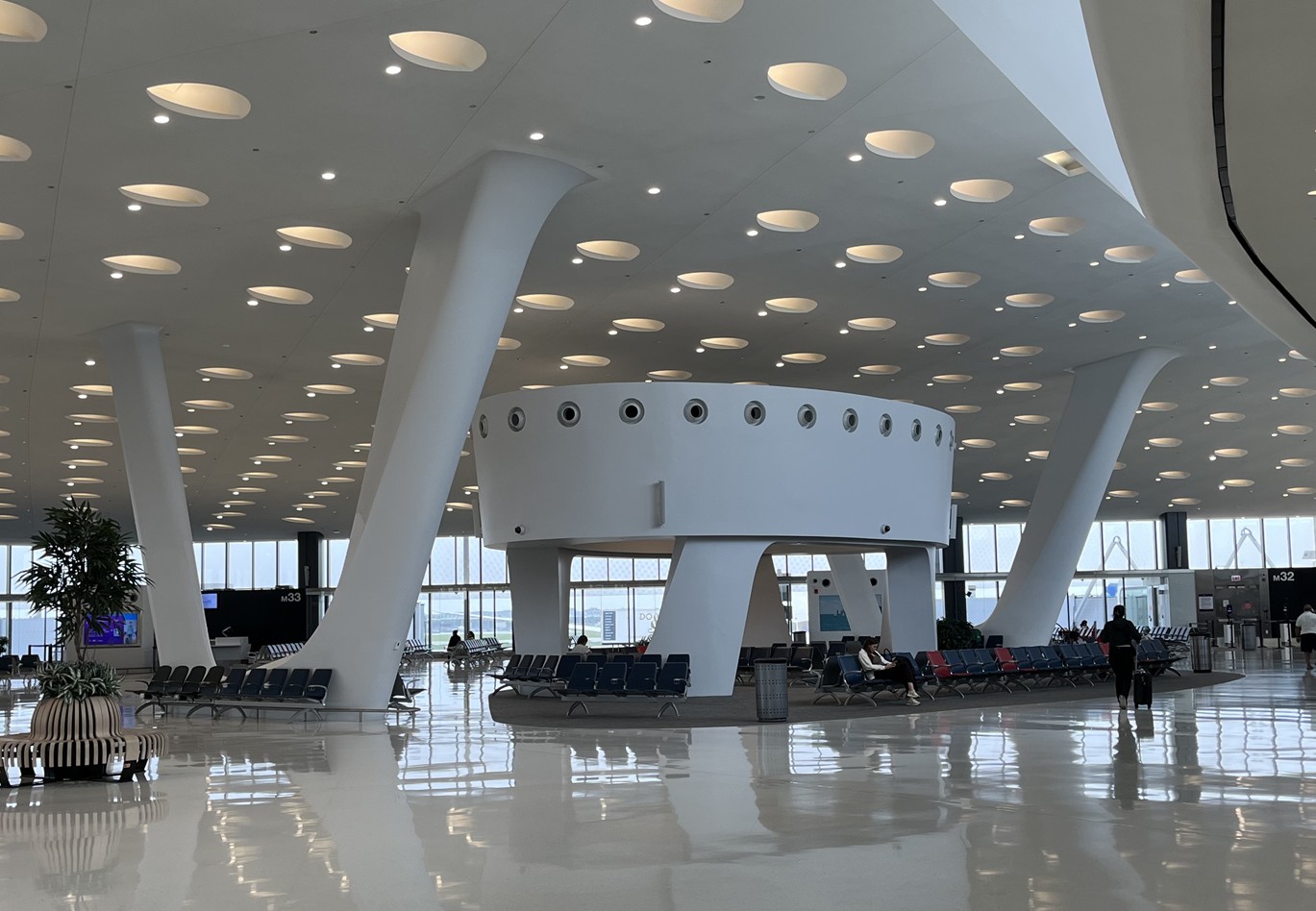
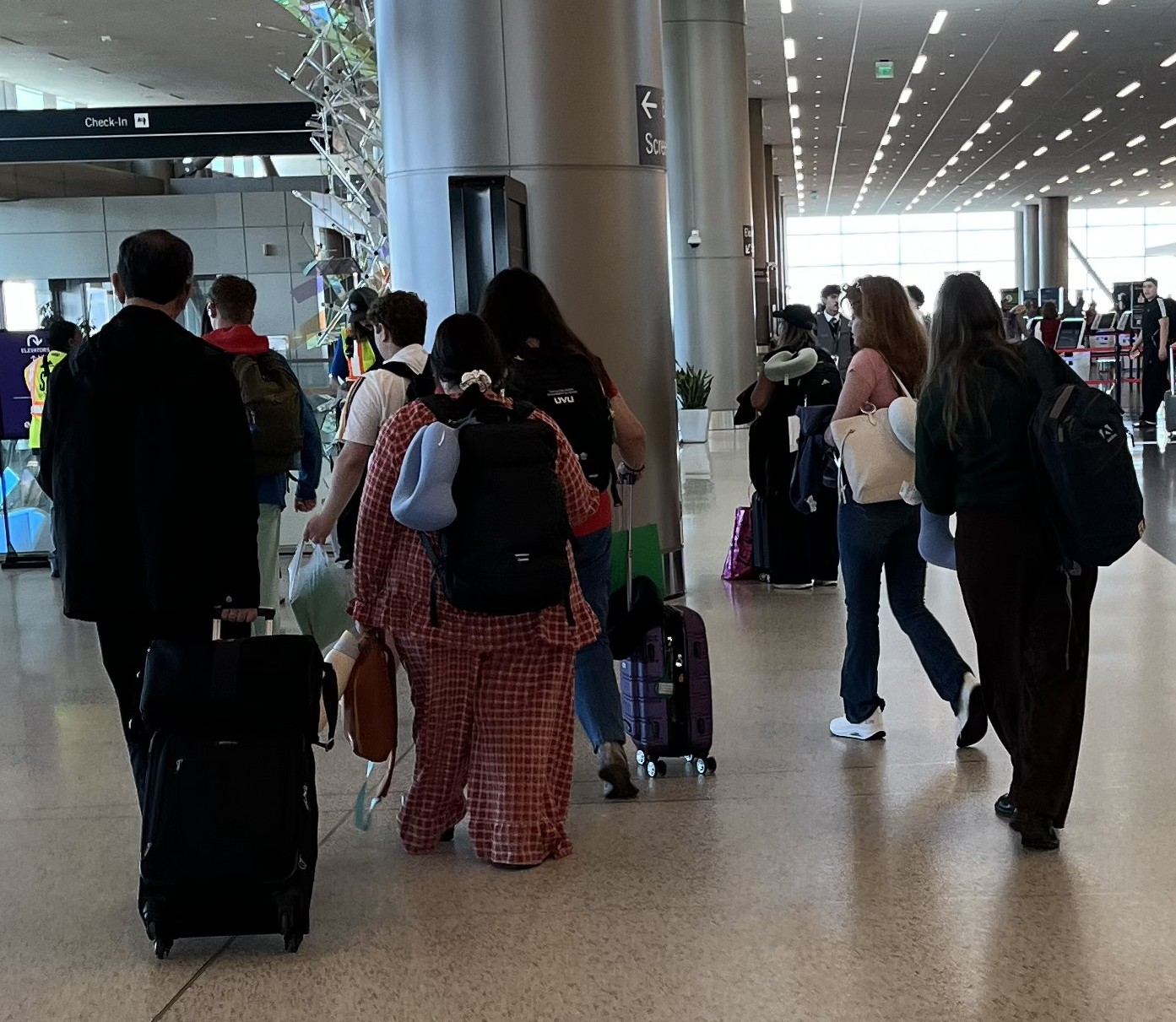
On July 16, the delegation concluded the study abroad and traveled back to Utah. After
nearly two weeks of travel, conferences, diplomatic meetings, cultural activities,
and unexpected challenges, students returned home with a broader understanding of
how international organizations function and how issues such as sustainable development,
trade, health, technology, humanitarian assistance, Indigenous rights, and mountain
advocacy intersect.
The experience also demonstrated the practical value of Student-Engaged Learning.
Throughout Geneva and New York, students were expected to communicate, conduct research,
ask questions, solve problems, navigate unfamiliar environments, build professional
relationships, and take responsibility for their own learning while receiving faculty
mentorship. What began with canceled flights and uncertainty developed into an opportunity
for students to participate directly in international conversations and better understand
how their education at UVU can prepare them to contribute to global and local communities.
The 2026 Geneva and New York study abroad was more than a series of visits to international
institutions. It allowed UVU students to experience diplomacy through formal presentations,
professional meetings, humanitarian organizations, cultural excursions, conversations
over dinner, independent UN sessions, and even the unexpected challenges of international
travel. Each experience provided a different perspective on how relationships, cooperation,
resilience, and informed participation contribute to international affairs.
Across the program, students saw that sustainable development cannot be separated
into isolated issues. Technology connects with water and energy; trade connects with
Indigenous rights and environmental stewardship; health connects with peace and humanitarian
response; and international advocacy depends on the experiences of communities themselves.
Through Student-Engaged Learning and faculty mentorship, the delegation returned to
Utah with new knowledge, professional connections, and a stronger understanding that
students can begin contributing to these conversations while they are still completing
their education.
By Natalia Figueroa, President, Utah International Mountain Forum,
a coalition of student clubs at Utah Valley University, and Aemish Brock, President,
Foreign Affairs Club at Utah Valley University
***
United Nations Mountain Partnership About UVU Program
***
Utah Valley University About UN Study Abroad Trip in Geneva and New York
***